Texas Hold'em Poker Boom

Chris Moneymaker's real name was actually Chris Moneymaker, and when the amateur accountant won $2.5 million at the 2003 World Series of Poker, every dorm and living room in America suddenly had a card table, a clay chip set, and a dream.
The poker boom began in spring 2003, when the World Poker Tour debuted on the Travel Channel with a gimmick that changed everything: hole-card cameras that let viewers see the players' hidden hands. Then in May 2003, an amateur accountant from Tennessee named Chris Moneymaker — his real name — won the World Series of Poker Main Event and $2.5 million after qualifying through an $86 online satellite on PokerStars. ESPN's coverage of that run told every viewer the same irresistible story: that could be you. The 'Moneymaker effect' was real and measurable — WSOP Main Event entries exploded from 839 in 2003 to 2,576 in 2004 to 8,773 in 2006.
For three years hold'em was simply everywhere. Bravo ran Celebrity Poker Showdown from December 2003 to July 2006, clay chip sets became the default gift, online rooms boomed, and the 1998 film Rounders became retroactive scripture — suddenly everyone could quote Teddy KGB. The end came with a date attached: in October 2006 the Unlawful Internet Gambling Enforcement Act became US law, choking off the online-poker pipeline that fed the whole phenomenon. Main Event attendance dropped to 6,358 in 2007, and the fever broke as fast as it had spiked — leaving behind a generation that still knows exactly what a gutshot straight draw is.
Similar items
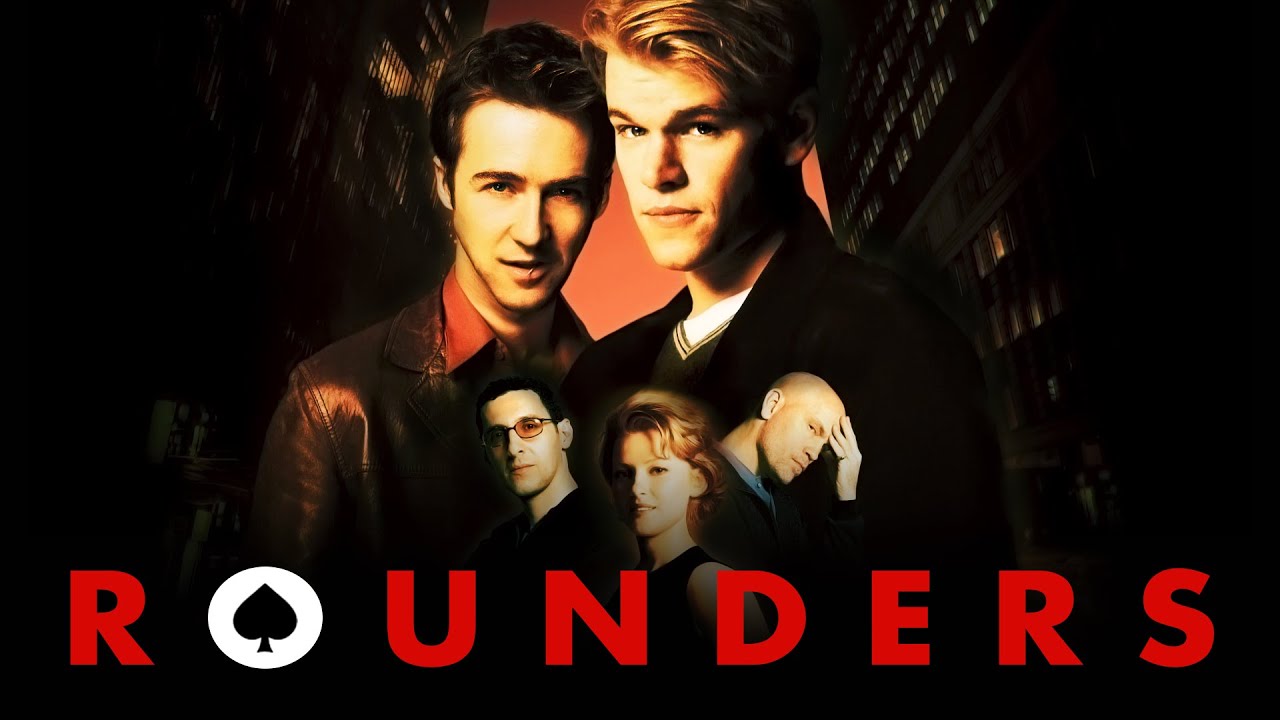
Rounders
Matt Damon as a reformed card shark pulled back to the table, Edward Norton as the friend who keeps dragging him there, and John Malkovich chewing Oreos as a Russian mobster named Teddy KGB. A modest 1998 release that a generation of poker players later adopted as their sacred text.
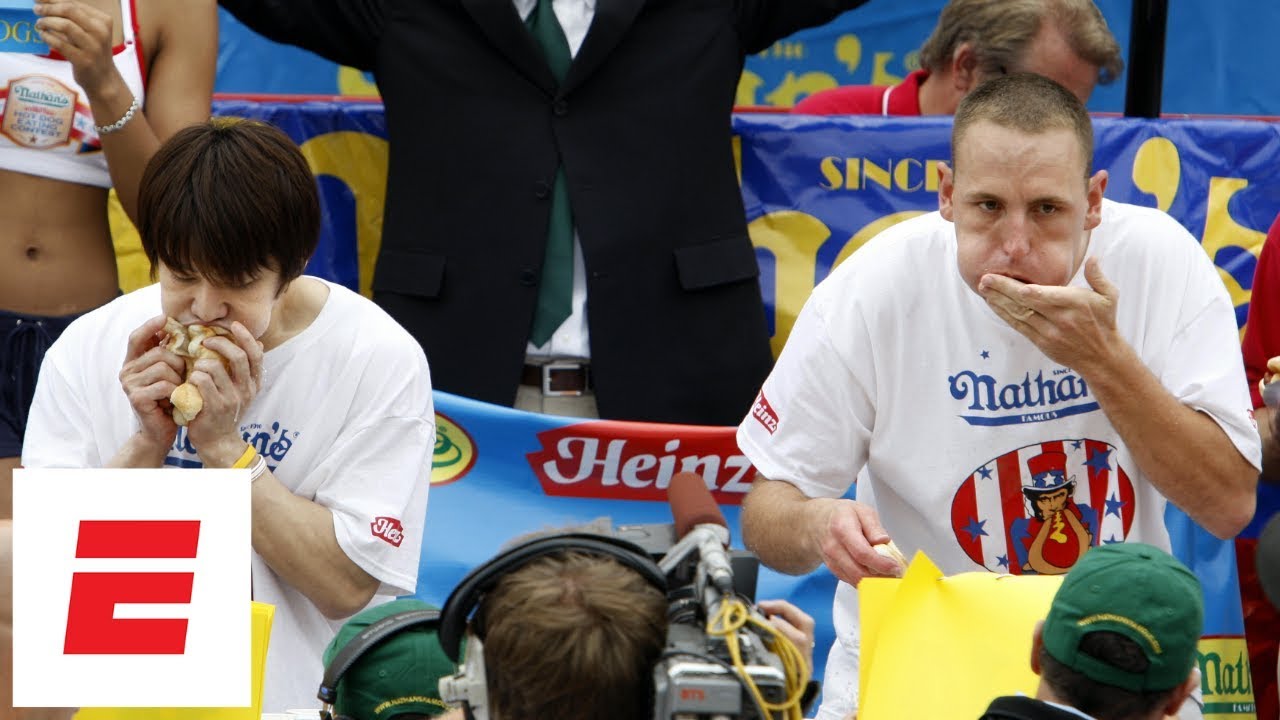
Nathan's Hot Dog Eating Contest
Every July 4th at the corner of Surf and Stillwell: 50,000 people, a wall of hot dogs, and the Kobayashi-vs-Chestnut arms race that turned competitive eating into holiday television.

Stump the Schwab
Three contestants, one Howie Schwab, and no realistic chance. ESPN's sports-trivia gauntlet dared fans to out-know the network's famously encyclopedic first statistician — a guy in an untucked jersey who knew every stat that ever mattered. Losing to the Schwab was the expected outcome, and that was exactly the fun.
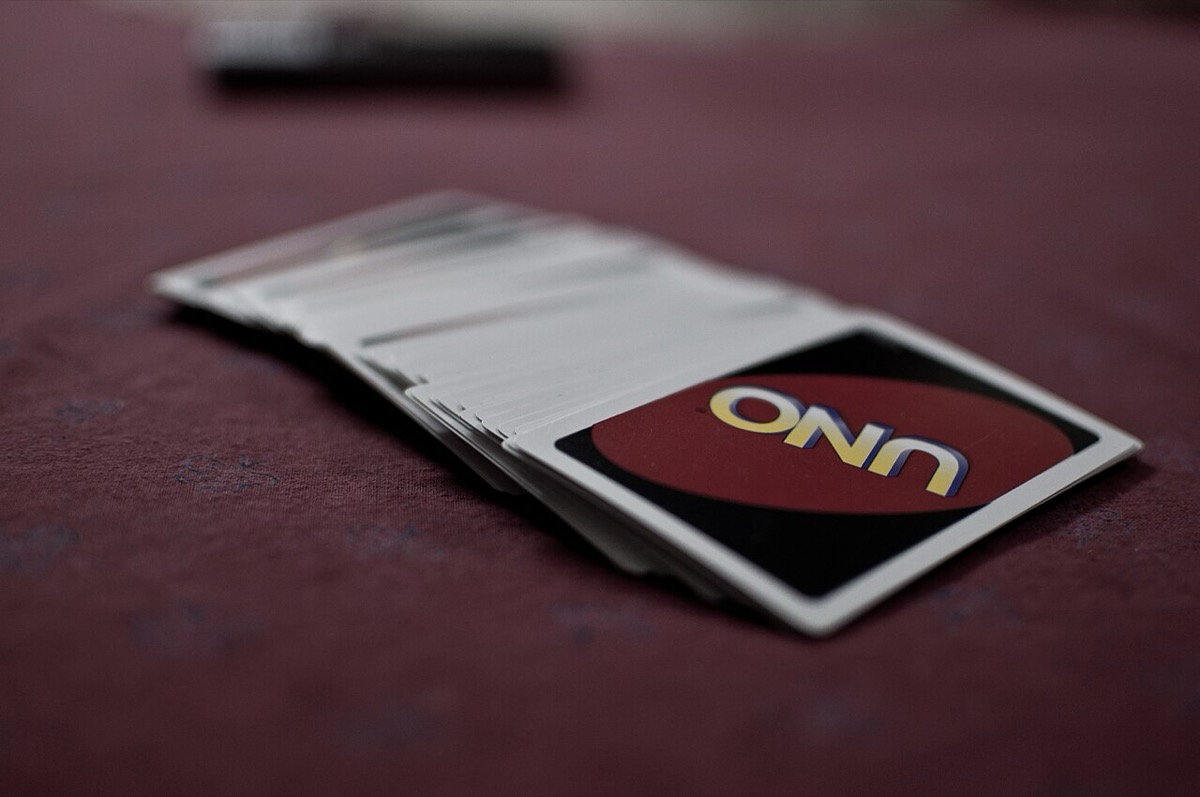
Uno
Match the color or the number, hit your sister with a Draw Four, and scream "UNO!" before anyone catches you at one card. A barber's 1971 invention became the most contentious deck in the 90s family junk drawer—because every single household played by different rules.