Nathan's Hot Dog Eating Contest
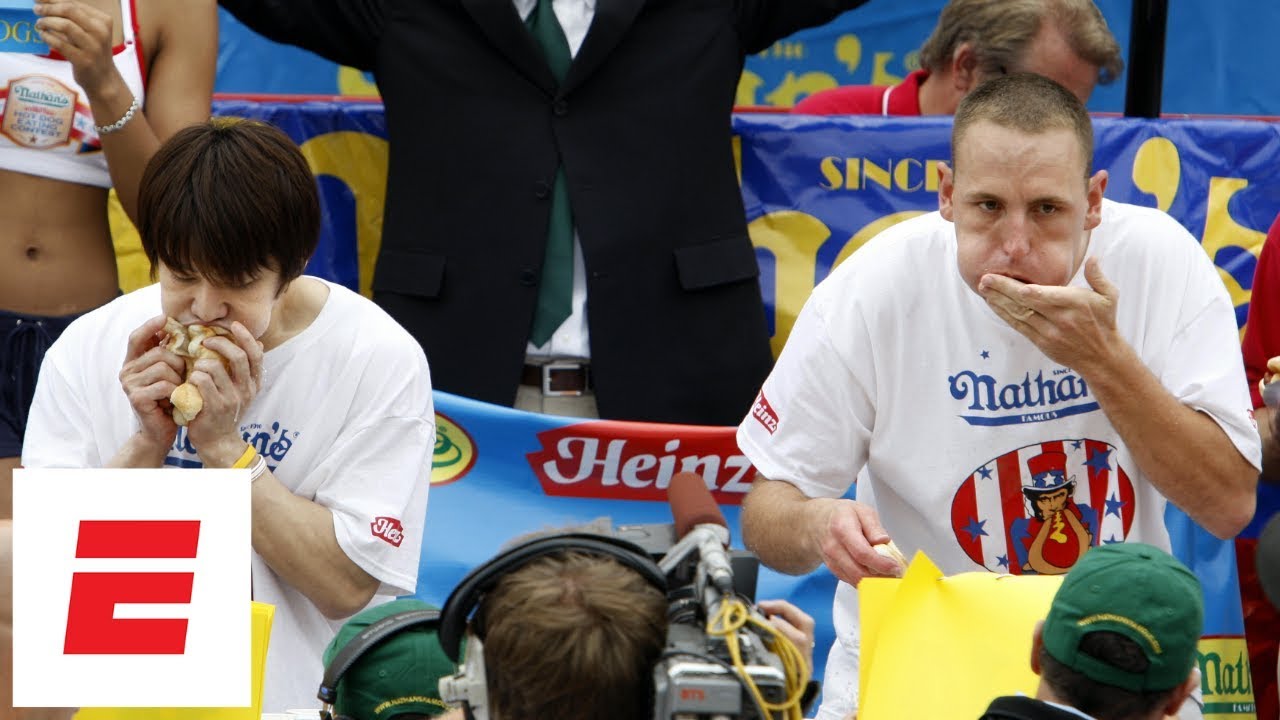
Every July 4th at the corner of Surf and Stillwell: 50,000 people, a wall of hot dogs, and the Kobayashi-vs-Chestnut arms race that turned competitive eating into holiday television.
The Nathan's Famous hot dog eating contest happens each Fourth of July outside the chain's original stand at Surf and Stillwell Avenues in Coney Island, and its origin story is a beautiful lie. The tale that four immigrants held an impromptu patriotism contest there in 1916 got repeated for decades — including, more than once, by The New York Times — but promoter Mortimer 'Morty' Matz admitted in 2010 that he and publicist Max Rosey had simply invented the legend in the early 1970s as a publicity stunt. The verifiable contest dates to 1972.
Then came July 4, 2001. A rookie from Nagano, Japan named Takeru Kobayashi ate 50 hot dogs in 12 minutes — nearly doubling the standing record of 25 1/8 in a single afternoon. Organizers were so unprepared for the number that they ran out of signs tracking his count and had to hold up handwritten ones. Kobayashi won six straight titles from 2001 to 2006, and the contest transformed around him: a three-story 'Hot Dog Eating Wall of Fame' went up at the corner in 2004, ESPN's July 4th broadcast became a ratings fixture the network kept re-signing for decades, and an estimated 50,000 spectators packed the corner in 2007.
That 2007 crowd witnessed the changing of the guard: Joey Chestnut, the American challenger, downed 66 hot dogs and buns to Kobayashi's 63, handing the champion his first Nathan's defeat. The 2008 rematch ended in a 59–59 tie decided by a five-hot-dog eat-off — a finish so contested it remains competitive-eating lore — and in 2010, sidelined by a contract dispute with Major League Eating, Kobayashi watched from the crowd in a 'Free Kobi' T-shirt until chants of 'let him eat' pulled him onto the stage, where the celebration ended with him in handcuffs.
Chestnut went on to rack up double-digit titles and push the record into the 70s, but the mid-2000s Kobayashi era is the part that reads like myth: the few summers when the most riveting athlete on television was a slight man from Nagano calmly rearranging what a human being could do to a plate of hot dogs.
Similar items

Fear Factor
Six strangers, three progressively insane stunts, $50,000 on the line. Fear Factor turned watching people eat bugs and face their worst nightmares into appointment television, and Joe Rogan's deadpan 'Evidently, fear is not a factor for you' became the phrase you repeated at anyone who hesitated at anything.
Texas Hold'em Poker Boom
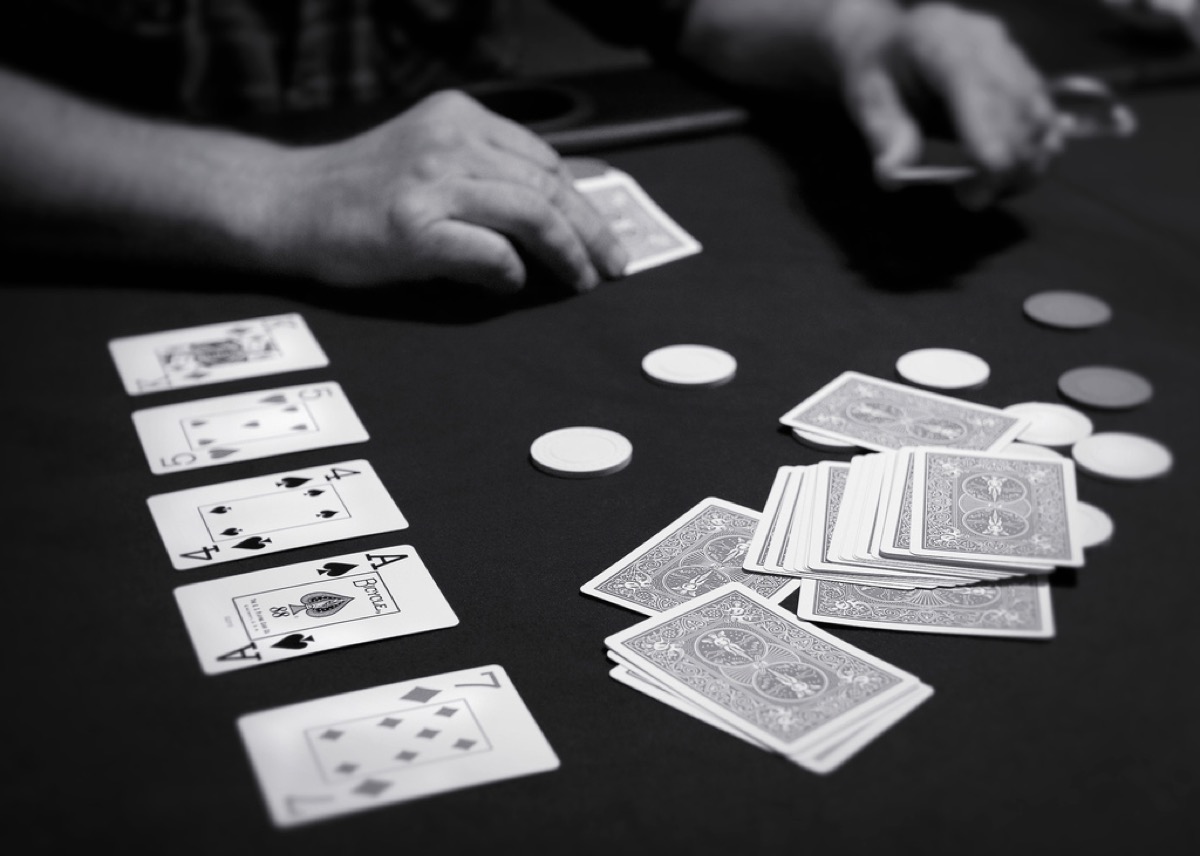
Chris Moneymaker's real name was actually Chris Moneymaker, and when the amateur accountant won $2.5 million at the 2003 World Series of Poker, every dorm and living room in America suddenly had a card table, a clay chip set, and a dream.

Stump the Schwab
Three contestants, one Howie Schwab, and no realistic chance. ESPN's sports-trivia gauntlet dared fans to out-know the network's famously encyclopedic first statistician — a guy in an untucked jersey who knew every stat that ever mattered. Losing to the Schwab was the expected outcome, and that was exactly the fun.