My Girl
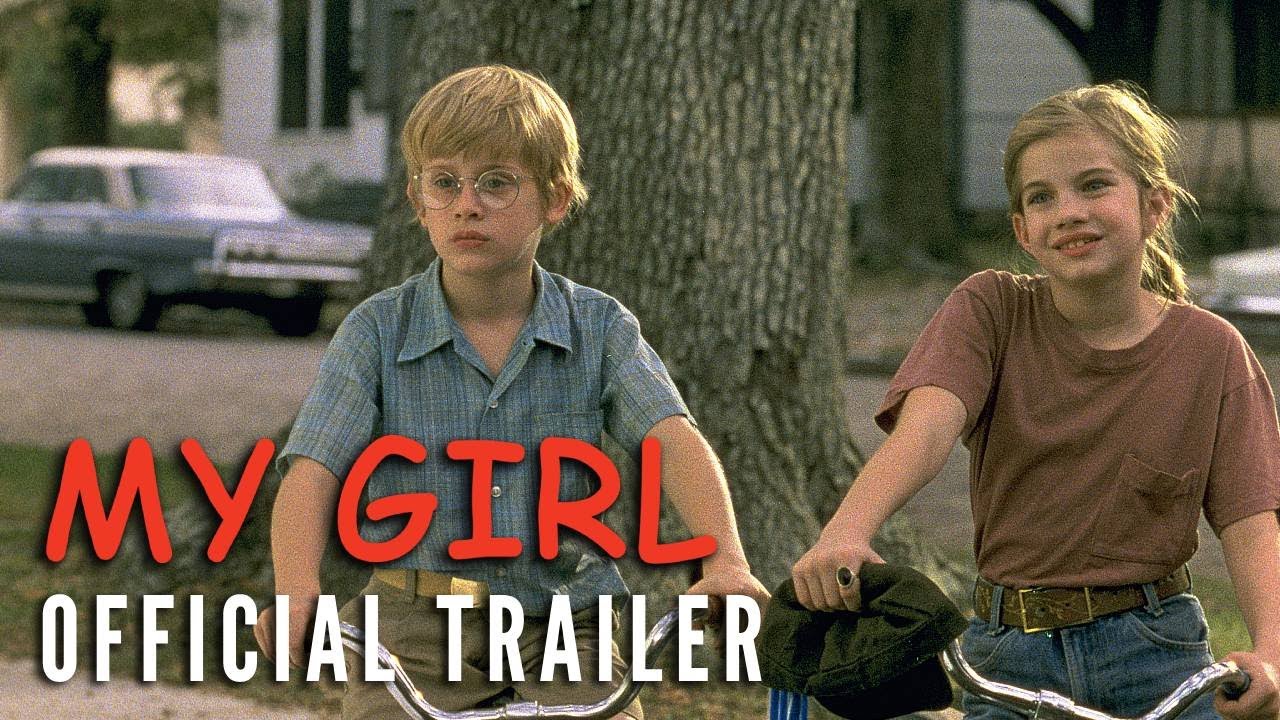
A coming-of-age story set in a funeral home, anchored by Anna Chlumsky's Vada and Macaulay Culkin fresh off Home Alone — and then the bee scene happened. For a generation of kids, this was the sleepover movie that taught them movies could break your heart.
Columbia Pictures released My Girl on November 27, 1991, and director Howard Zieff — working from Laurice Elehwany's screenplay — somehow made a childhood spent inside a funeral home feel tender instead of grim. Anna Chlumsky, in her first major film role, played Vada Sultenfuss, a hypochondriac kid growing up above her widowed father's funeral parlor; Dan Aykroyd played her dad Harry, Jamie Lee Curtis played Shelly, the new arrival who upends the household, and Macaulay Culkin — already the most famous kid in America after Home Alone — played Thomas J. Sennett, Vada's loyal, allergic-to-everything best friend.
Then the beehive. Vada and Thomas J. knock a hive down in the woods, and Vada loses her mood ring in the scramble. Thomas J. goes back alone to find it. The hive is still active, and he is killed by the bees — he was allergic. The funeral scene that follows is seared into the memory of everyone who watched it young: a movie marketed on bicycle-riding summer sweetness turning, without warning, into a first lesson in grief. Ask anyone who saw it at a sleepover; they can still tell you exactly where they were sitting.
Audiences showed up anyway — or maybe because. Filmed in Bartow and Sanford, Florida, in early 1991, the film grossed $121 million worldwide on a $17 million budget, and a sequel, My Girl 2, followed in 1994. But it's the first film that stayed lodged in the culture: the mood ring, the weeping, and the discovery that a PG family movie could be the most devastating thing you'd ever seen.
Similar items

Macaulay Culkin
The hands-on-cheeks scream that launched a thousand parodies. As Kevin McCallister in Home Alone, Culkin became the most famous child star on Earth — and, briefly, the highest-paid kid in Hollywood.
![Video thumbnail — Home Alone - Official® Trailer [HD]](https://i.ytimg.com/vi/Fmih-zWIjGY/maxresdefault.jpg)
Home Alone
Kevin McCallister is accidentally left behind when his family flies out for the holidays — and when two bumbling burglars invade, the eight-year-old's creative defenses (ice, tar, paint cans, and a very hot doorknob) turn the house into a gauntlet of booby traps. It became the defining Christmas movie of a generation, making Macaulay Culkin the most famous kid on the planet.
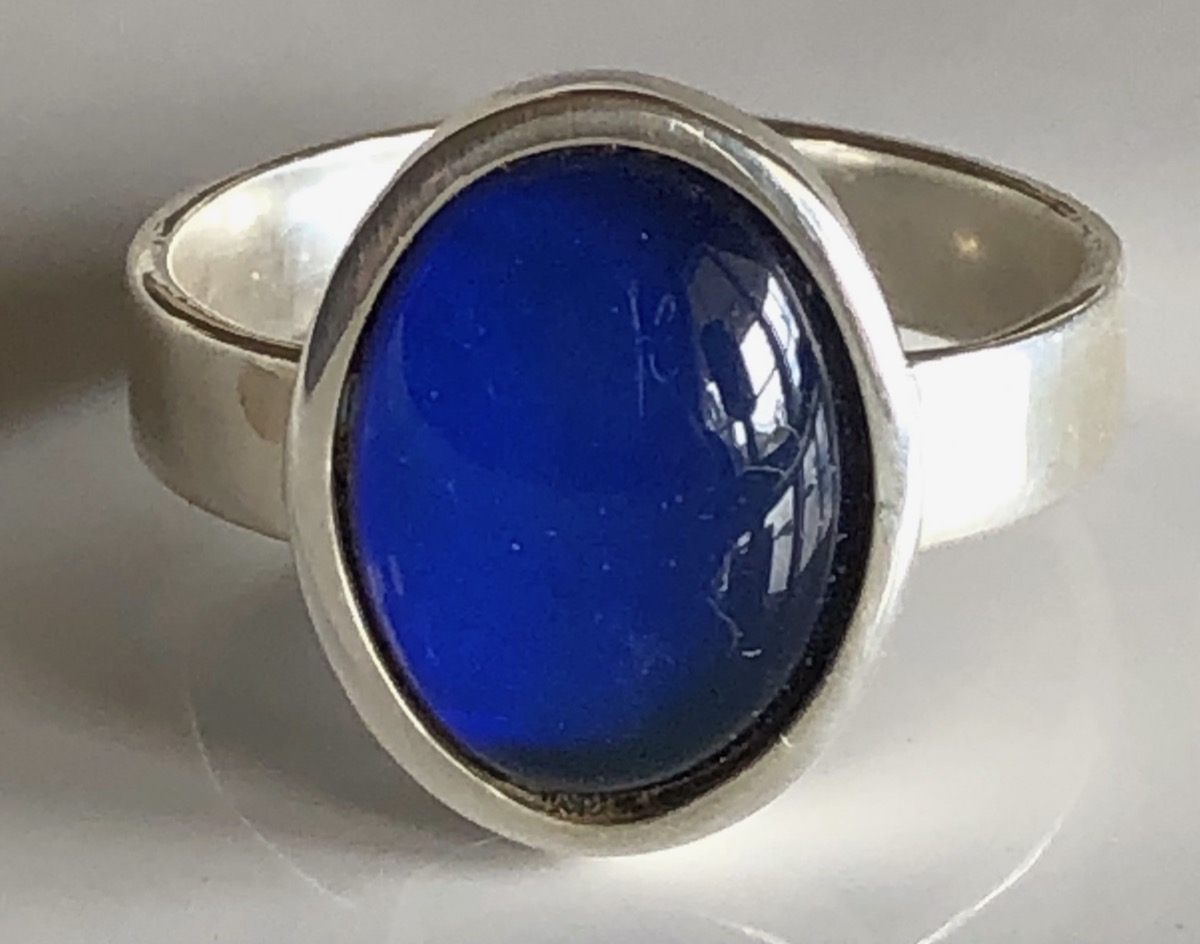
Mood Rings
A thermochromic crystal that supposedly read your emotions—blue meant calm, black meant stressed—except it mostly just measured how cold your hands were. The stone changed color with finger temperature, not feelings, but that didn't stop every kid from testing one against its color chart and knowing, deep down, it was a scam.

28 Days Later
Cillian Murphy wakes from a coma to an emptied Britain: the Rage virus, grainy DV cameras, and infected that sprint. Danny Boyle and Alex Garland's $8 million nightmare reinvented the zombie movie's speed limit — even though, as every pedant will happily tell you, they're infected, not zombies. For a generation this was the scariest thing a friend's older brother ever put on.