Mortal Kombat Finishers

"FINISH HIM!" — and now you had about three seconds to nail a memorized joystick incantation, at exactly the right distance, for exactly your character. Land it and the whole arcade turned to watch. Fatality. Or, if you were feeling truly disrespectful: Friendship.
The Fatality arrived with the first Mortal Kombat in 1992 — Ed Boon and John Tobias's Midway arcade fighter — and it wasn't even in the original plan (early designs gave a finishing move only to the boss). What shipped became the most famous mechanic in fighting games: win the match, hear "Finish Him!", and enter a precise button-and-joystick string, at the right distance, inside a tiny time window, unique to your character. The codes were pre-internet secret knowledge, spread through arcade crowds, playground rumor, and dog-eared gaming magazines — and knowing them was status. Executing Sub-Zero's spine rip in front of a full arcade was the whole point of learning it.
The finisher family kept growing, and it grew weird. Mortal Kombat II (1993) leaned into the joke with Babalities (turn your opponent into a crying infant) and Friendships (gift-giving and dance numbers instead of murder) — deliberately silly alternatives often read as a wink at the moral panic swirling around the games. Mortal Kombat 3 (1995) added Animalities, which you could only earn by first performing a Mercy — deliberately giving your beaten opponent a sliver of health back and defeating them again. Layer in stage fatalities, the "Toasty!" easter egg, and per-character code lists across multiple games, and dedicated kids were memorizing more sequences than a piano recital — because doing a Babality when a Fatality was expected was the deepest flex in the room.
The blood behind those finishers changed the whole industry. For 1993's home ports, Nintendo censored the SNES version (gray "sweat," tamed finishers) while Sega's Genesis version hid the real thing behind a code — ABACABB, a nod to the band Genesis's album Abacab — and the uncensored Genesis version handily outsold Nintendo's. The gore made Mortal Kombat a centerpiece of the 1993 Senate hearings on video-game violence led by Senators Lieberman and Kohl, which pushed the industry to create the ESRB rating system, launched in September 1994. Even the era's tall tales became canon: "Ermac," a red ninja invented by a hoaxed magazine letter (a doctored photo riffing on an "error macro" counter in the game's diagnostics), became so legendary that Midway made him a real fighter in Ultimate Mortal Kombat 3. No cheat-code culture ever ran deeper.
Similar items
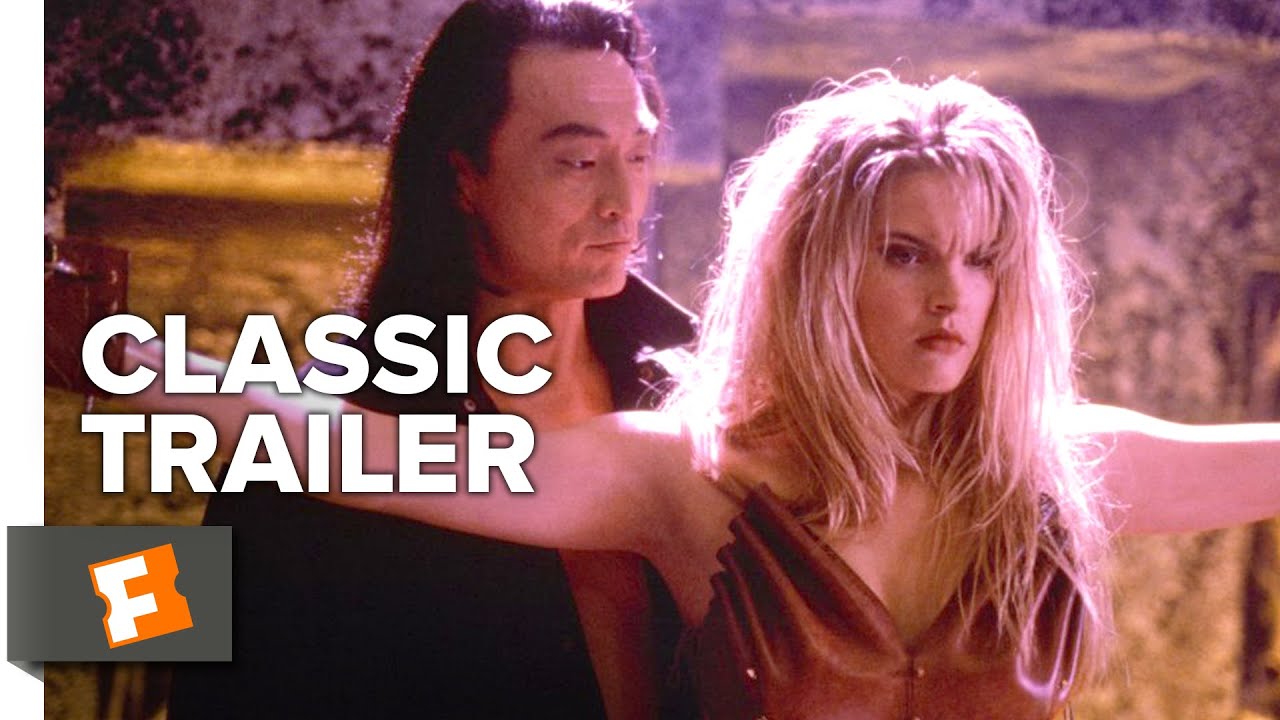
Mortal Kombat (1995 Film)
"MORTAL KOMBAT!" — the scream, the techno drop, and suddenly it's the best night at the movies a 12-year-old had in 1995. Cheesy? Completely. Three straight weeks at #1? Also yes.

Ultimate Mortal Kombat 3
The definitive version of Mortal Kombat 3 — the one with all the ninjas back in it. Owner's memory is the Sega Genesis port: the run button, the fatalities, and everybody on the roster.
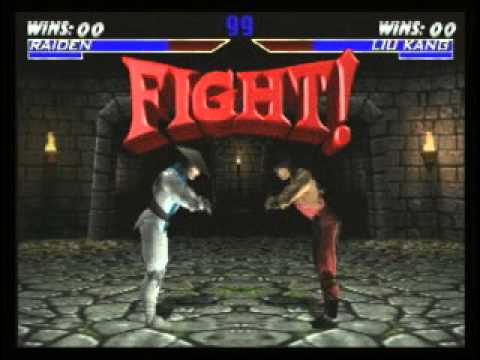
Mortal Kombat 4
The first Mortal Kombat in 3D, the last one to hit arcades—and the first where you could pull a weapon mid-fight. Polygonal fatalities were the playground whisper of 1997.

Sega Genesis
Sega's 16-bit home console arrived in 1989 and dominated the early 90s with its attitude, speed, and Sonic the Hedgehog. The Genesis ('Mega Drive' everywhere else) promised 'Blast Processing' and delivered games that felt faster and edgier than what Nintendo offered, winning hearts — and quarters — across a generation.