Monster in My Pocket
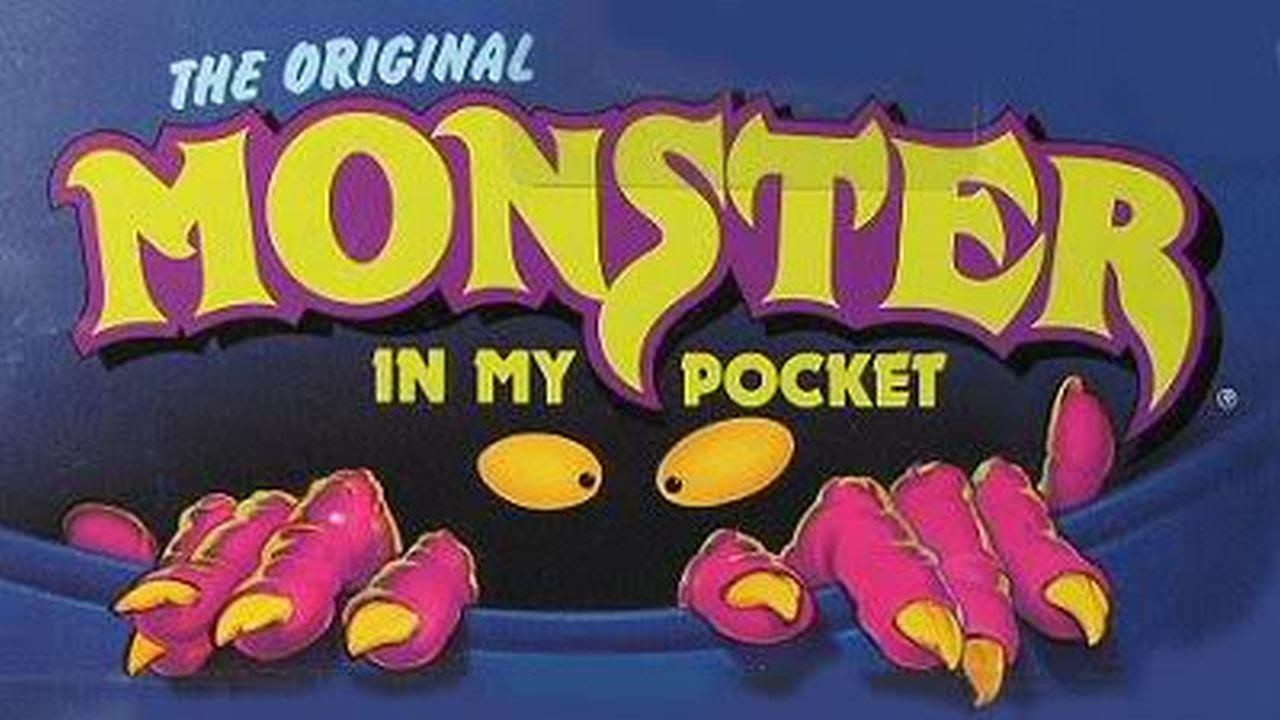
Little soft-plastic monsters, each carrying a point value so you knew exactly which ones outranked the rest. The first series ran to 48 of them, moulded in flat single colours — a whole mythology's worth of monsters, priced and sortable, small enough to hide in a fist.
Monster in My Pocket was developed by Morrison Entertainment Group (the company led by Joe Morrison and John Weems, former Mattel executives) and released by Matchbox in 1990. The concept was simple and addictive: soft plastic or rubber monster figures, initially solid-colored, each printed with a point value. In Series 1, points ran from 5 to 25, and higher numbers beat lower ones in a casual playground game. Later series pushed the top value to 30, and the fourth — "Super Scary" — escalated outright to monsters worth 50 to 100. The craze itself burned out inside about four years, but the line long outlived it: passed to other toy makers, it eventually reached over 200 monsters across 11 series. Almost none of it was licensed. The roster came out of religion, mythology, folklore, fairy tales, literary fantasy, science fiction and cryptid lore—generic vampires, mummies and werewolves alongside Baba Yaga, the Hydra and a Cyclops, all of it old enough to be free. The one wrinkle came in the comics: from the second issue, Universal Pictures was credited for Frankenstein's Monster, the Mummy, the Invisible Man and the Phantom of the Opera — characters that had come out of public-domain literature in the first place and looked nothing like Universal's film versions.
The franchise expanded beyond the toys. Harvey Comics released a four-issue series in 1991 written by Dwayne McDuffie with art primarily by Gil Kane and Ernie Colón. Hanna-Barbera produced an animated special called Monster in My Pocket: The Big Scream, which aired on Halloween 1992 on ABC. The toys themselves remained the star, though—passed hand to hand across playground dirt, sorted and re-sorted by the number each one carried.
Similar items

Z-Bots
Galoob's inch-high robots, sold three to a pack and split into two warring camps: Z-Bots, Designed to Defend, against Voids, Made to Menace. A Micro Machines spin-off scaled down to the size of a thumbnail.

Mighty Max
Bluebird's Polly Pocket for boys: pocket-sized playsets shaped like monster heads, each one snapping open on a tiny horror scene and a blond kid in a baseball cap. Doom Zones and Horror Heads — the whole appeal was that something nasty folded shut in your fist.

Goody Bags
The sack of cheap toys and candy handed to kids at the end of a birthday party—the actual payoff for showing up. Every parent assembled them; every kid tore through them.

Puppy in My Pocket
Tiny, realistic puppy figurines the size of your thumb, each one a different breed with its own name and personality. Kids collected them, traded them, and spent every cent of allowance chasing the ones they didn't have. More than 140 breeds. The checklist never ended.