Metroid Prime
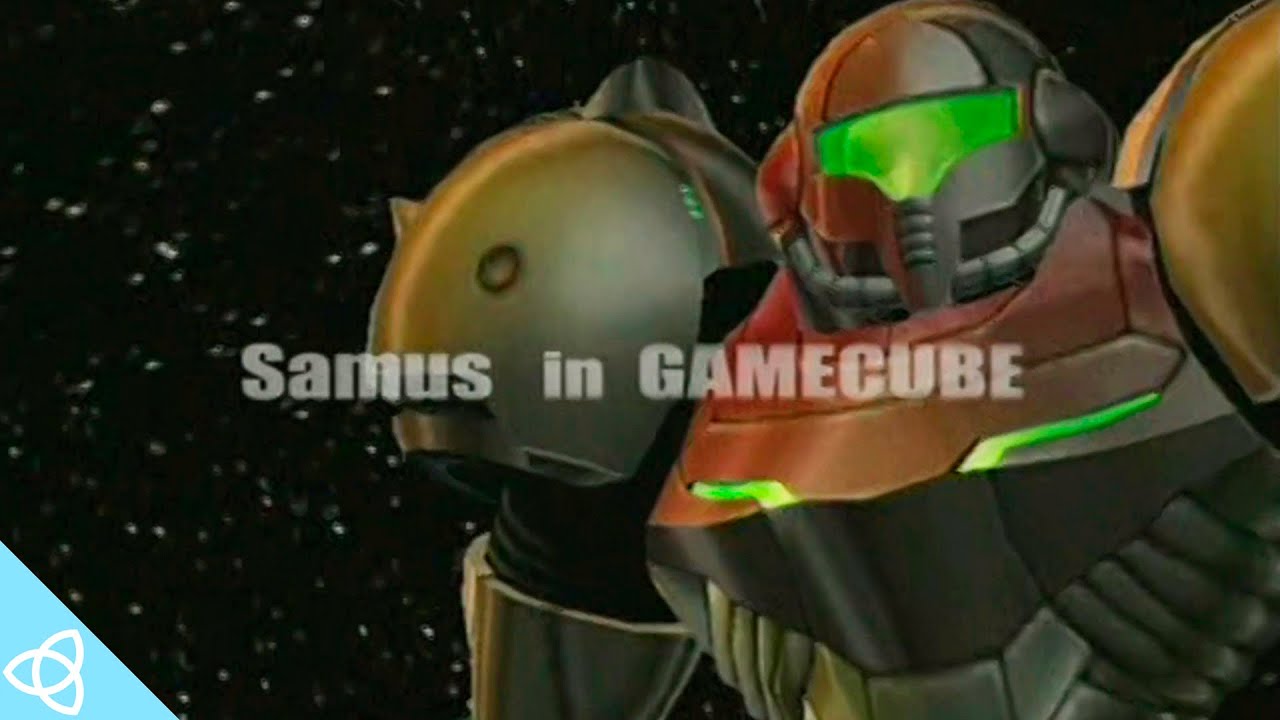
A Texas studio took the Metroid series, turned it first-person, and made a masterpiece nobody expected. Lonely, atmospheric, built for scanning every detail—Samus's visor rain effects became what exploration felt like.
Metroid Prime released November 18, 2002 for the Nintendo GameCube, developed by Retro Studios of Austin, Texas and published by Nintendo. It was the series' return after eight years of silence since Super Metroid (1994), and skeptics doubted a Texas studio could pull off first-person for a series built on 2D platforming. Retro Studios didn't just pull it off—they redefined it. The game scored 97 on Metacritic and swept Game of the Year awards from GameSpot, Electronic Gaming Monthly, and Nintendo Power.
Metroid Prime sold 2.84 million copies worldwide, becoming the best-selling Metroid game until Metroid Dread arrived in 2021. Two sequels followed: Metroid Prime 2: Echoes (2004) and Metroid Prime 3: Corruption (2007), completing a trilogy that proved first-person exploration could be exactly as lonely and immersive as Samus's journey was meant to be.
Similar items

Nintendo GameCube
The small cube-shaped Nintendo console with a built-in carry handle, released November 2001. Indigo or purple exterior, proprietary MINI-DVD discs, and an oversized green A button that defined its controller. Super Smash Bros. Melee, Mario Kart: Double Dash, Metroid Prime, and The Legend of Zelda: The Wind Waker were system-defining hits.

Super Smash Bros. Melee
Nintendo's 2001 GameCube fighting game where Mario, Link, Pikachu, Kirby, and dozens of other Nintendo characters beat each other senseless on themed stages and knocked foes off the screen. A launch-window blockbuster and the best-selling GameCube title, it became the foundation of a massive competitive and esports community that kept the game alive for decades.

1080° Snowboarding
"TEN-EIGHTY!" — the grunted title call said it all. Nintendo's own N64 snowboarding game played it straight: weighty, physics-driven boards, board-scraping sound design, and a namesake 1080-degree spin so hard it took nine distinct actions to land. You spent whole evenings just trying to beat the rival rider in Match Race.

Animal Crossing
Nintendo's gentle life-simulation game that reached the US on the GameCube in 2002. You move to a village of animal neighbors, pay off a mortgage to raccoon shopkeeper Tom Nook, and fish, catch bugs, decorate your house, and run errands—all on a real-time clock synced to the console, so the game's day and night and seasons matched real life. No winning, no losing—just a cozy daily routine.