Good Eats

Alton Brown explained why the recipe worked, with cameras inside the oven, Dutch angles, a cast of fake relatives and a running war on single-use kitchen gadgets. Julia Child plus Mr. Wizard plus Monty Python, by Brown's own formula — the cooking show that taught a generation to think instead of follow.
Alton Brown came to cooking from behind a camera. He had studied film at the University of Georgia and spent the 1980s shooting music videos, including R.E.M.'s "The One I Love," before deciding in the 1990s that American cooking shows were bad enough that he should make his own. He enrolled at the New England Culinary Institute, graduated in 1997, and taught himself the science he had ignored in school so he could explain what was actually happening in the pan. Two pilots, "Steak Your Claim" and "This Spud's for You," aired on Chicago's PBS station WTTW in July 1998; a Food Network executive saw a clip on the Eastman Kodak website, where it was showcasing a new film stock, and the network picked the show up in July 1999.
In the tenth-anniversary episode Brown said the idea was to combine Julia Child, Mr. Wizard and Monty Python, and the show looked like nothing else on the channel: Dutch angles, cameras mounted inside ovens, refrigerators and microwaves, Brown playing a cowboy to make chili or a Father Merrin figure in an Exorcist parody to get a child to eat peas, and a company of recurring characters — his sister Marsha, neighbor Chuck, Uncle Colonel Bob Boatwright, the food agent Sid, the Dungeon Master — whose origins he later revealed in a backstage episode. Each half-hour took a single ingredient or technique and explained it with makeshift teaching aids, and Brown made a running crusade of the "unitasker," declaring the fire extinguisher the only unitasker in the kitchen and building gadgets from hardware-store parts to prove the point. The kitchen itself was a prop: the first four seasons shot in a partner's real Atlanta-area home, the fifth and sixth in the line producer's new house, and from the seventh in an exact replica of that house built on a sound stage after the neighbors complained.
The show earned a James Beard nomination for food journalism in 2000 and a Peabody in 2006, whose citation read, "Rarely has science been taught on TV in such an entertaining — and appetizing — manner," and Brown won the James Beard Award for best TV food personality in 2011. That May he announced on Twitter that he was retiring the show after 249 episodes plus three one-hour specials. The final episode aired on February 10, 2012; he did not sign off with his usual "see you next time on Good Eats," saying instead "Stay dark, America" and snapping his fingers as the screen went black. Brown revisited the catalog as Good Eats: Reloaded on Cooking Channel in 2018 and revived it outright as Good Eats: The Return on Food Network in 2019, running two seasons before announcing in 2021 that there would not be a third.
Similar items
Emeril Live
Bam! For a decade, Emeril Lagasse cooked in front of a cheering studio audience and a live band, and Food Network had a household name. Emeril Live ran on the network from October 1997 to December 2007, 1,653 episodes of garlic, pork fat, and a catchphrase that got applause every single time.
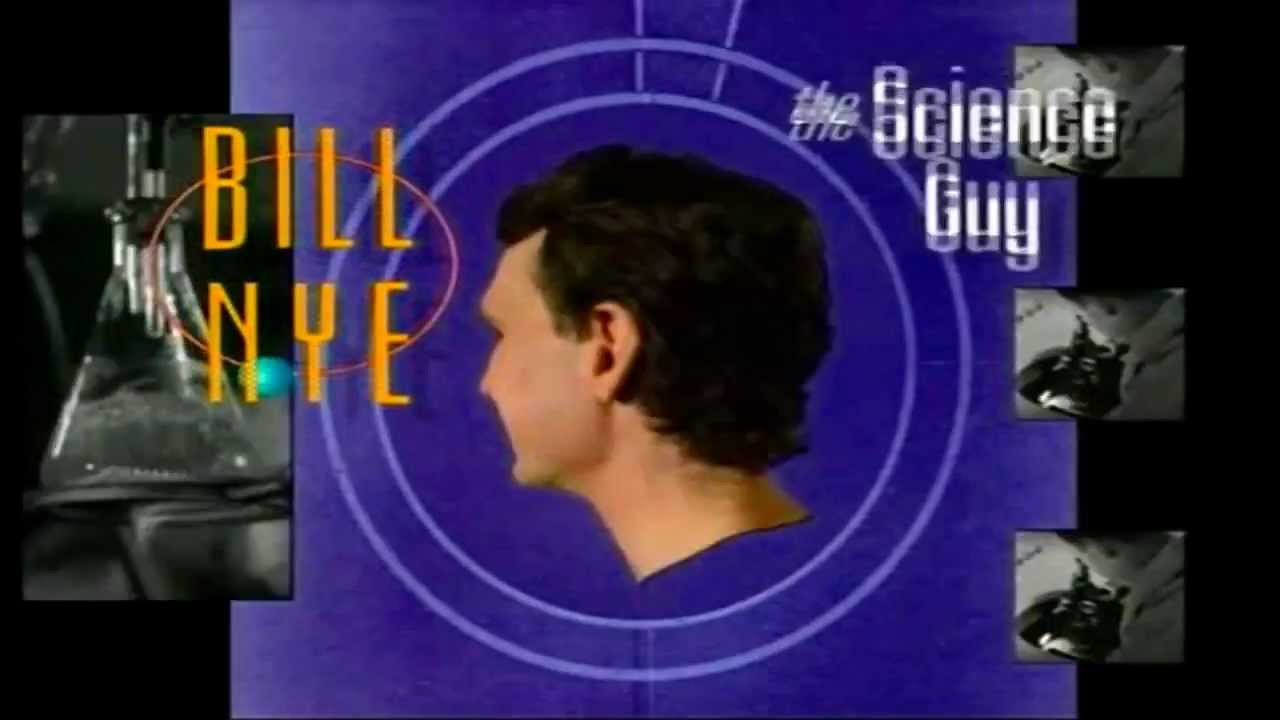
Bill Nye the Science Guy
The beloved PBS/syndication science show that dominated classrooms throughout the '90s. Bill Nye, the bow-tie-wearing mechanical engineer-turned-science-communicator, made physics and chemistry accessible—and fun—with MTV-style energy, wild demonstrations, and an unforgettable theme song. Substitute teachers everywhere knew exactly what to do: wheel out the TV cart and press play. A cultural institution that made science cool before it was cool.

Mr. Wizard's World
Don Herbert's calm, deadpan science show where the magic was real: dry ice, eggs pulled into bottles, chemistry that made sense. Each episode, Mr. Wizard sat down with a rotating kid assistant and made the world work. No costume, no cartoon, no nonsense — just a patient man and genuine wonder.

Beakman's World
The science show that answered viewer mail with a manic scientist, a grown man in a rat suit, and two penguins watching from the South Pole. It reached the airwaves almost a year before Bill Nye, and its accordion theme came from the frontman of Devo.