Daughtry
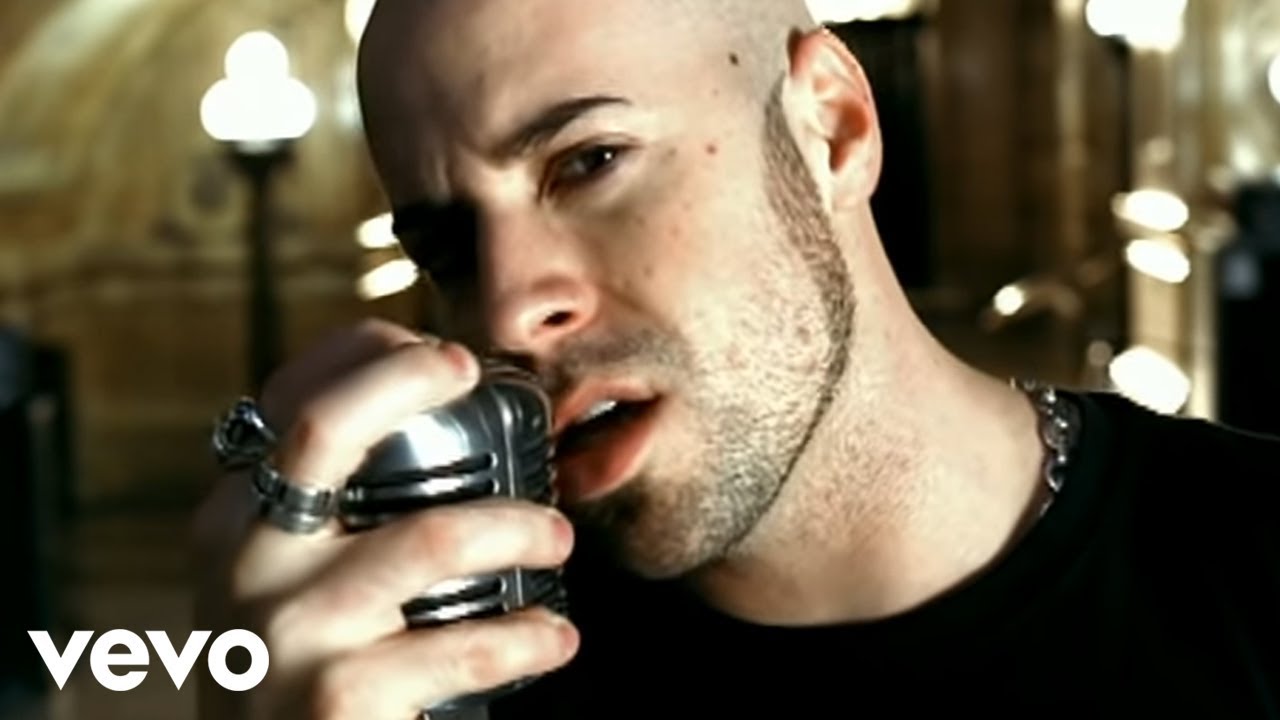
The bald rocker who got voted off American Idol in fourth place, said "A little, yeah" when asked if he was surprised, and then put out a six-times-platinum album the season's winner never came close to. "It's Not Over" and "Home" owned 2007 radio.
Chris Daughtry auditioned for the fifth season of American Idol in Denver singing the Box Tops' "The Letter" and got through on a split decision: Paula Abdul and Randy Jackson said yes, Simon Cowell thought he was too robotic. By March 2006 his raw take on Fuel's "Hemorrhage (In My Hands)" had the judges raving and Fuel itself offering him the job of lead singer, which he turned down. A minor-key "I Walk the Line" based on an arrangement by the band Live caused a stir when nobody mentioned the source, though Live's Ed Kowalczyk called to tell him to ignore it. On May 10, 2006, he landed in the bottom two with Katharine McPhee; Cowell said she should be the one to go, and Ryan Seacrest sent Daughtry home in fourth place instead. Asked if he was surprised, he managed, "A little, yeah."
He signed with RCA and 19 Recordings on July 10, 2006, and built a band through auditions rather than go solo, naming it Daughtry because, as he put it, coming from a TV show "it was easier just to go with my last name." The self-titled album, produced by Howard Benson, arrived November 21, 2006, with Chris still the only official member, which left plenty of people assuming it was a solo record. "It's Not Over," released the same day as the album, climbed to number four on the Hot 100; "Home" reached number five and became the send-off song for eliminated contestants on the next season of Idol. The album was reported as the fastest-selling debut rock album in Nielsen SoundScan history, and it finished as Billboard's best-selling album of 2007 with, by the Philadelphia Inquirer's count that December, 2.287 million copies. It has since gone six times platinum.
The comparison was unavoidable: Taylor Hicks, who won that season, released his debut in December 2006, went platinum in a month on shipments, and had sold about 700,000 copies a year later. Four more singles followed, including "What I Want" with Slash on lead guitar, and the band picked up four Grammy nominations in 2008. Leave This Town debuted at number one in July 2009, making Daughtry the first Idol act with two consecutive chart-topping albums.
The band is still recording, and the Idol lesson stuck: Daughtry has said the best advice he ever got was "Don't believe your own hype."
Similar items

American Idol
Fox's juggernaut singing competition that made appointment television relevant again. Premiering June 11, 2002, American Idol invited America to vote for the next big pop star—and for most of the 2000s, you couldn't escape it. Kelly Clarkson's season-one victory launched her career and countless memes about Simon Cowell's withering critiques.
The Fray
The Denver piano-rock band whose earnest, mid-tempo anthems were the sound of mid-2000s radio and every emotional TV montage of the era. "Over My Head" broke them; "How to Save a Life," supercharged by Grey's Anatomy, made them huge.

Lifehouse
The Los Angeles radio-rock band behind "Hanging by a Moment" — a famous Billboard chart anomaly. Frontman Jason Wade's five-minute songwriting session produced a single that never hit weekly No. 1 yet finished as Billboard's No. 1 song of 2001. Earnest, huge-chorused, everywhere.
Guitar Hero
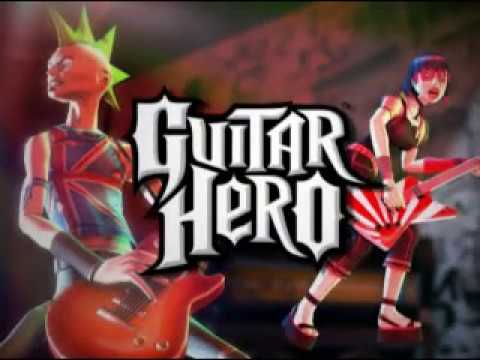
The plastic guitar controller that turned living rooms into rock venues and made you feel like you could shred—Guitar Hero arrived in November 2005 with just five fret buttons and a strum bar, playing note-scrolling highways to licensed rock songs. It became a living-room phenomenon. Guitar Hero III (2007) and its brutal finale 'Through the Fire and Flames' defined the genre's peak before the plastic-instrument bubble burst from over-saturation around 2010.