CSI: Miami

Horatio Caine turns to the camera, delivers the pun, puts on the sunglasses — and The Who scream "YEAAAH." The first CSI spin-off gave David Caruso the comeback nobody expected, made the cold-open one-liner an internet meme, and in 2006 was named the most popular show in the world.
CBS announced the spin-off on April 17, 2002, under the working title CSI: Miami-Dade, and launched it as an episode of the original CSI's second season. Creators Carol Mendelsohn, Anthony E. Zuiker and Ann Donahue chose the city because, as Mendelsohn put it, "Miami is so rich as a character. There is so much water. There are so many different cultures here all colliding." Zuiker promised a show that looked "ridiculously gorgeous" but was "about science," and CBS ordered 22 episodes. The original cast grumbled: William Petersen said they should have waited five years for a spin-off, and Marg Helgenberger used an Emmy acceptance speech to note that "there's only one CSI."
The lead was the surprise. David Caruso had won a Golden Globe as NYPD Blue's John Kelly and then walked away early in its second season, and when CBS suggested him Zuiker admitted he had "heard about the NYPD Blue thing" and hesitated. The producers revisited him at the eleventh hour, had him out to dinner, and signed him last of all the pilot's cast as Lieutenant Horatio Caine, head of the Miami-Dade crime lab. Emily Procter had been cast first, as Calleigh Duquesne, and Kim Delaney, another NYPD Blue alumna, joined after the pilot. The series premiered on September 23, 2002, in the Monday 10 p.m. slot it would hold for eight seasons, and was shot mostly in California, with Long Beach's new high-rise condos and canal-side homes standing in for Miami.
What the show is remembered for is the opening. Nearly every episode's cold open ended with Caruso delivering a pun about the crime, sliding on his sunglasses and the cut to the scream in The Who's "Won't Get Fooled Again" for the credits — a ritual that became a standard internet reply to anyone's bad pun, and that The Guardian said had "attracted devotion and derision in equal measure." Horatio's other catchphrase was "We never close." In 2006 a study of viewing data in 20 countries, reported by BBC News, named CSI: Miami the world's most popular television series because it appeared in more countries' top-ten rankings for 2005 than any other show. It spun off CSI: NY in turn.
CBS cut the tenth season to 19 episodes in February 2012 to make room for NYC 22, then cancelled both on May 13, 2012; CBS's Nina Tassler said the Miami and New York shows' numbers were "indiscernible" and New York won because it fit a Friday lineup. Caruso was the only actor to appear in all 232 episodes, and Tassler credited the series as "a key player in CBS's rise to the top." In 2024 the title came back as a true-crime series, The Real CSI: Miami.
Similar items

CSI: Crime Scene Investigation
The Vegas crime lab that took over primetime. CSI premiered on CBS in 2000 and turned forensic science into television's dominant formula — William Petersen's Gil Grissom, The Who's "Who Are You" over the credits, and spinoffs from Miami to New York. It got so big that real juries started expecting what the show delivered every week.

NYPD Blue
Steven Bochco and David Milch's 15th Precinct brought handheld cameras, raw language and bare backsides to network television in 1993 — and dozens of ABC affiliates refused to air it. The ratings won the argument, Dennis Franz's Andy Sipowicz became the squad room's battered conscience, and the show ran twelve seasons.

Nip/Tuck
"Tell me what you don't like about yourself." Ryan Murphy's Miami plastic surgeons greeted their patients with that question and then showed you the surgery — and the sex, the serial rapist called the Carver, and more than basic cable had ever shown before.
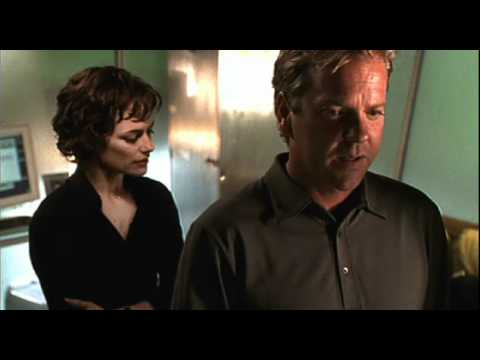
24
A high-octane Fox thriller that premiered November 2001, starring Kiefer Sutherland as CTU (Counter-Terrorism Unit) agent Jack Bauer. Each season depicts a single continuous 24-hour day with one episode per hour, complete with a ticking on-screen clock and split-screen "meanwhile" shots. The show's relentless pacing, cliffhangers, and post-9/11-era terrorism plots made it a cultural phenomenon that redefined the thriller format for television.