Codename: Kids Next Door

Five ten-year-olds with code numbers, a high-tech treehouse, and an arsenal built from household junk: Sector V spent six seasons on Cartoon Network waging glorious war on adult tyranny. And it was the show the viewers themselves voted onto the air.
Codename: Kids Next Door premiered on Cartoon Network on December 6, 2002, but its path to the screen was a democratic one — creator Tom Warburton's pilot was chosen by viewers during the network's 2001 "Big Pick II" event, where it won the poll. Curious Pictures produced the series, and what emerged was a premise both wonderfully simple and endlessly inventive: five ten-year-old operatives, code-numbered Numbuhs 1 through 5, formed Sector V of a vast global organization dedicated to one mission — protecting kids from tyranny. That tyranny took many forms, from adults enforcing unfair rules to power-mad teenagers to villains straight out of a sugar-fueled fever dream, and the Kids Next Door met every threat with weaponry salvaged from household junk. That "2x4 technology" was the show's secret weapon: contraptions cobbled together from plywood, plungers, and spare parts, doing gloriously outsized damage.
The show ran for six seasons, accumulating 78 episodes plus three specials, before wrapping up in 2008. Along the way it won Best Television Series for Children at the 2005 Ottawa International Animation Festival — proof that what started as a viewer-voted pilot was hitting something real: a ten-year-old's fantasy of agency, of friendship, of a world where your own courage and a couple of household supplies could actually matter. A TV movie, Operation: Z.E.R.O., aired in 2006, expanding the lore; the finale, Operation: I.N.T.E.R.V.I.E.W.S., gave the show a proper send-off in January 2008.
Codename: Kids Next Door didn't last forever, but it lasted long enough to define what kids'-cartoon ambition could be: high-concept, visually inventive, self-contained enough for a quick episode but deep enough for ongoing mythology. The show treated its young characters as competent, clever, and worth rooting for, at a time when kids' TV often talked down to its audience. Rewatching it now feels like stepping back into that treehouse — the gadgets are still ridiculous, and the core message still holds: friendship and a willingness to show up for each other beat almost anything.
Similar items

Ed, Edd n Eddy
Three kids with the same name and one unstoppable goal: scam the neighborhood kids out of quarters for jawbreakers. Ed, Edd n Eddy ran a full decade on Cartoon Network and turned suburban con artistry into an art form.

Dexter's Laboratory
A pint-sized boy genius with a secret laboratory hidden in his bedroom, a fake scientist's accent, and one recurring problem: his fun-loving sister Dee Dee, who breezes in and wrecks everything by pushing the wrong button.
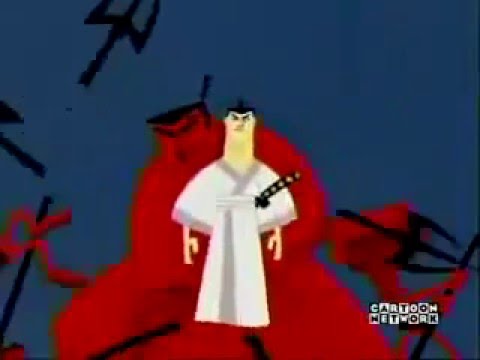
Samurai Jack
A feudal swordmaster flung into a dystopian future wages a quest to return home — wielding a magical katana against a shapeshifting demon in near-silent, gorgeously cinematic episodes that borrowed from '70s film and manga masters. Tartakovsky's samurai epic ran four seasons without ending its story — a cliffhanger that wouldn't resolve until 2017.
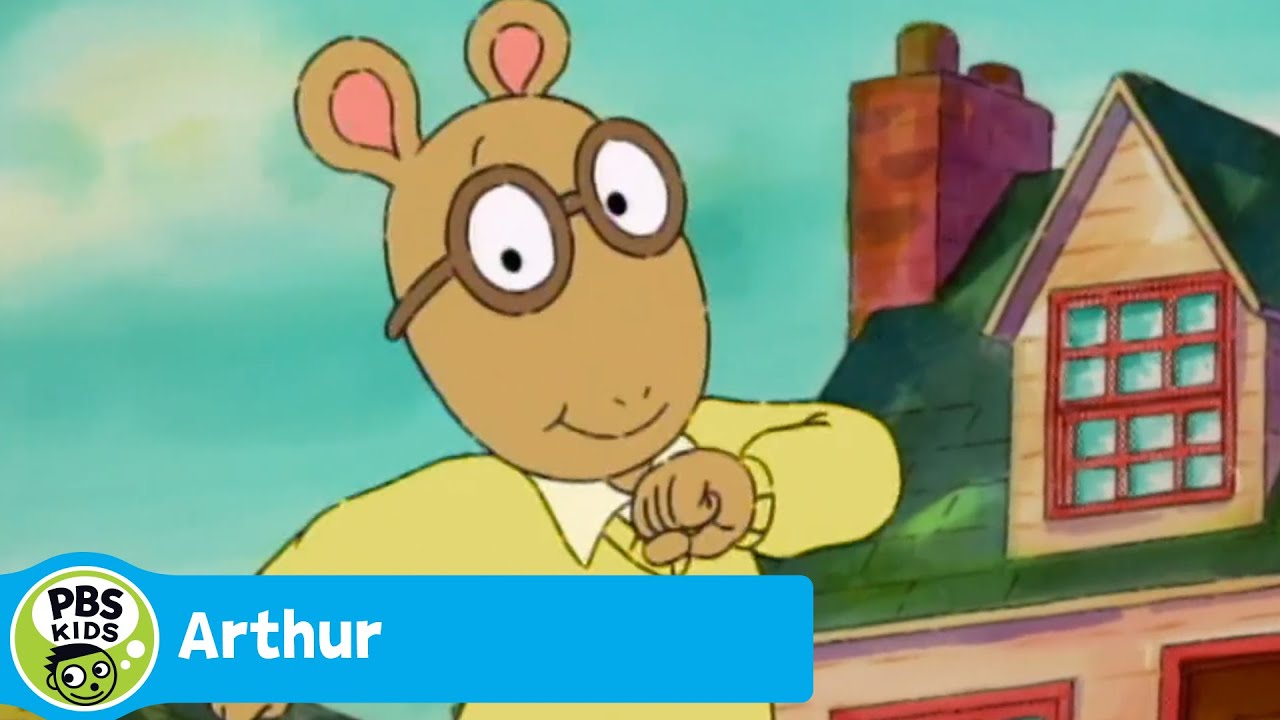
Arthur
PBS's 25-season juggernaut about an aardvark navigating school, friendship, and suburban angst. Arthur Read, his friends Buster, Francine, Muffy, and the Brain, and his little sister D.W. defined childhood TV for an entire generation. The show ran from 1996 to 2022, becoming one of the longest-running animated kids' series in US television history.