Brandy

The braids, the UPN sitcom, the glass slipper, and the duet that spent thirteen weeks at number one. Brandy was a star at 15 with "I Wanna Be Down," carried Moesha for six seasons, played television's first Black Cinderella in 1997, and with Monica turned a made-up rivalry into "The Boy Is Mine," the best-selling single of 1998.
Brandy Rayana Norwood was born February 11, 1979, in McComb, Mississippi, and moved to Carson, California, in 1983 when her father became a church's minister of music; she sang her first gospel solo at two and became a Whitney Houston devotee at seven. She sang backup for the boy group Immature at eleven, and in 1993 her parents negotiated an Atlantic Records deal; her mother quit her job as an H&R Block district manager to manage her, and Brandy left Hollywood High for tutors. A season on the ABC sitcom Thea came first, then her self-titled debut in September 1994: "I Wanna Be Down" and "Baby" both topped the R&B chart, "Brokenhearted" with Boyz II Men's Wanya Morris reached number two on the R&B chart, and she was nominated for the Best New Artist Grammy.
Moesha premiered on UPN in January 1996 and became the network's most-watched show, running six seasons until it was canceled on a cliffhanger and spinning off The Parkers. In 1997 Whitney Houston hand-picked her to play Cinderella in Rodgers & Hammerstein's Cinderella for The Wonderful World of Disney, opposite Houston, Whoopi Goldberg and Jason Alexander; an estimated 60 million people watched, ABC's best Sunday-night number in years, and she was the first African American to play the role.
Never Say Never, released in June 1998 with the young producer Rodney "Darkchild" Jerkins, was her biggest seller. Its lead single, "The Boy Is Mine," a duet with Monica that played on the press's assumption that the two teenagers were feuding, held number one for thirteen weeks, sold 2.6 million copies as the year's best-selling single, and won both singers their first Grammy; Joseph Kahn's video cast Mekhi Phifer as the boy. "Have You Ever?," written by Diane Warren, gave her a second number one. She made her film debut in I Still Know What You Did Last Summer that fall, co-starred with Diana Ross in the TV movie Double Platinum, and sang on VH1's Divas Live '99.
After Moesha ended she took a long break amid tabloid stories about dehydration, then returned with Full Moon (2002), whose layered vocal arrangements earned her the nickname "the Vocal Bible," and the critically loved Afrodisiac (2004). She received a star on the Hollywood Walk of Fame in March 2026.
Similar items

Aaliyah
The Detroit teenager who whispered where everyone else belted, and with Timbaland and Missy Elliott bent R&B toward the future. Aaliyah went from "Back & Forth" at 15 to "Try Again," the first song to top the Hot 100 on airplay alone, and died in a plane crash in August 2001 at 22, five weeks after her third album came out.
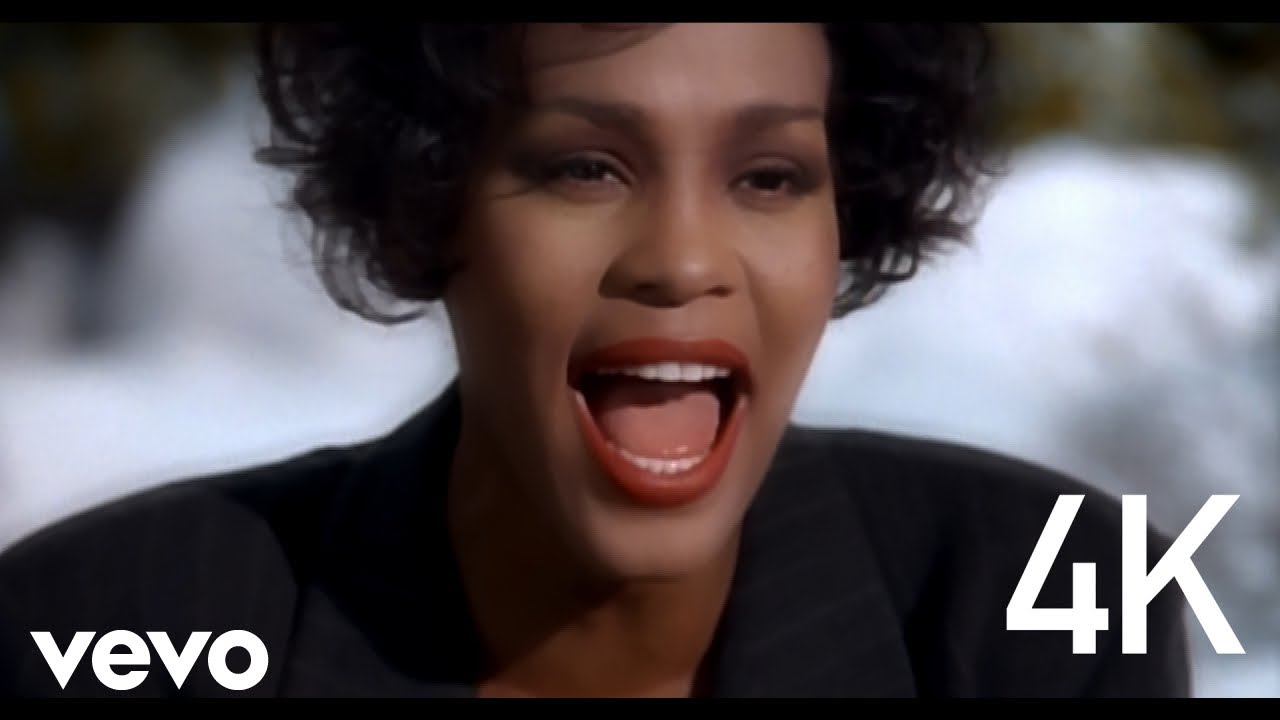
Whitney Houston
The Voice, no qualifier needed. Whitney Houston arrived in 1985 with a record-breaking debut and never slowed down: seven consecutive #1 singles — still unmatched — and, with The Bodyguard, the best-selling soundtrack of all time. For a stretch of the '90s, she simply was the pop ballad.
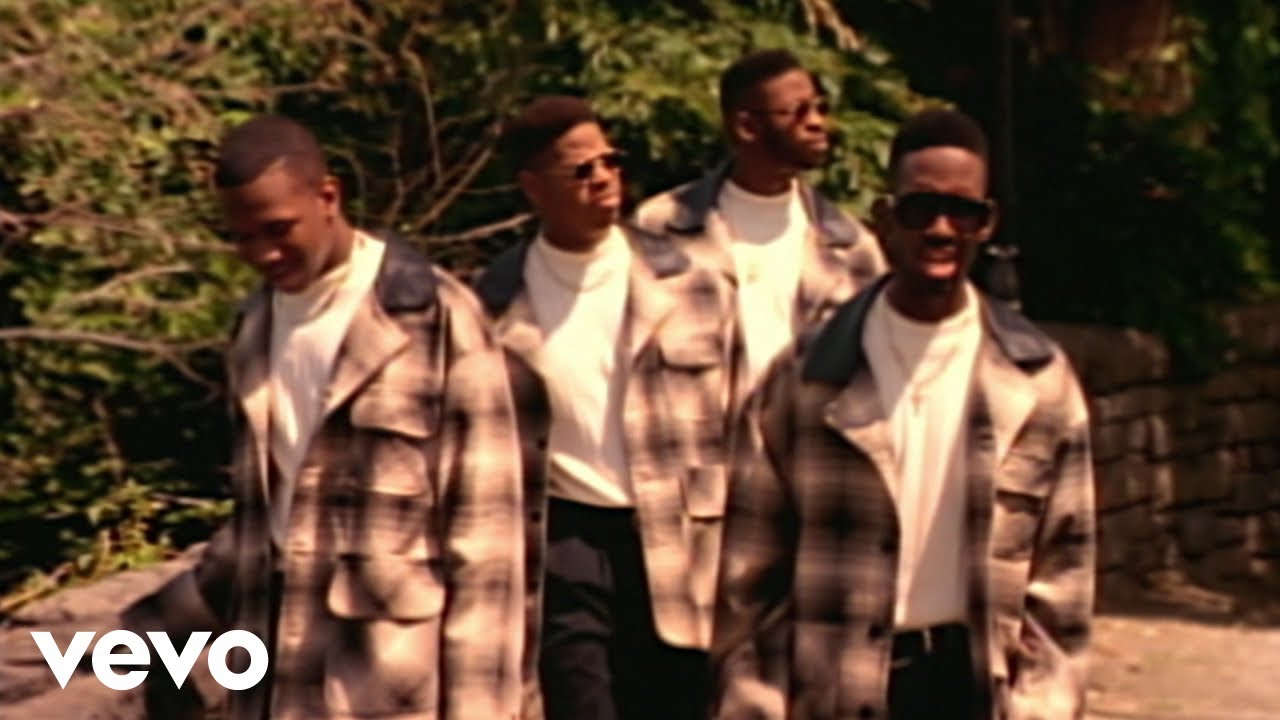
Boyz II Men
Four Philly harmonies that owned the 90s Billboard chart like nobody before them. Boyz II Men didn't just top the Hot 100 — they kept breaking the record for how long a song could stay there, soundtracking every slow dance of the decade along the way.

UPN
The United Paramount Network launched in January 1995 on the back of a Star Trek premiere that drew 21 million viewers — a number it spent the next eleven years chasing. UPN was scrappy, ambitious, and chronically broke, but it gave us Voyager, Moesha, SmackDown, and Buffy's final seasons — and in your town it wasn't "UPN," it was UPN 9, or UPN 50, or whatever your channel was.