Austin Crackers
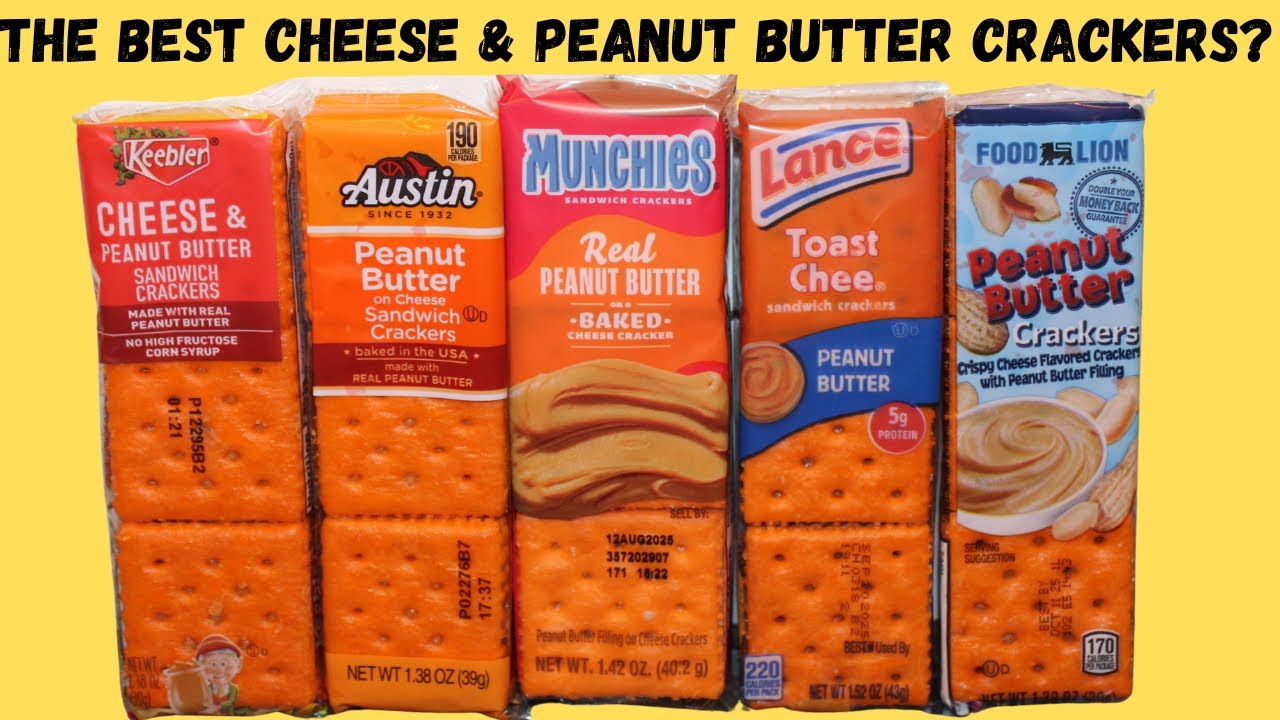
The unnaturally orange cracker sandwiches in the crinkly six-pack — cheese crackers hugging peanut butter, dispensed by every vending machine, gas station, and lunchbox of the 90s. Austin wasn't the fancy option. Austin was the one that was actually there.
Austin Quality Foods baked its way out of Cary, North Carolina, and its wrappers still carry the boast "Since 1932." By the 1990s it had quietly become one of the country's biggest names in single-serve baked snacks — cracker sandwiches under the Austin name, plus the Zoo animal crackers that rode along in a million lunchboxes. The company's specialty was the format, not the flourish: a sleeve of six identical sandwiches, built to survive a vending-machine drop and cost less than anything else behind the glass.
The icon was orange. Cheese crackers — that particular glowing, nowhere-in-nature orange — pressed around a thin layer of peanut butter. The dust got on your fingers, the peanut butter glued the whole apparatus to the roof of your mouth, and the sleeve crinkled loudly enough to announce you to an entire study hall. Lance's Toast Chee sat next to it in half the machines as the eternal rival, and partisans of each regarded the other with genuine suspicion, despite the two products being, to any neutral observer, nearly identical.
The 90s were the brand's independent twilight. In March 2000, Keebler bought Austin Quality Foods — then doing roughly $200 million a year in sales — for about $250 million, and just a year later Kellogg's swallowed Keebler whole, folding the orange six-packs into a snack portfolio the size of a small nation. The Austin name survived the digestion and still shows up on shelves today.
But the memory it owns is set firmly in that earlier decade: quarters into the machine after practice, the B4 coil turning, and that crinkly orange sleeve dropping into the tray — six little sandwiches that tasted like nothing else because they tasted exactly like themselves.
Similar items

Dunkaroos
Betty Crocker's kangaroo snack pack: tiny cookies plus a frosting cup for dunking. The ultimate lunchbox flex of the mid-90s, Dunkaroos were so coveted they became playground currency—until parents killed the sugar craze.
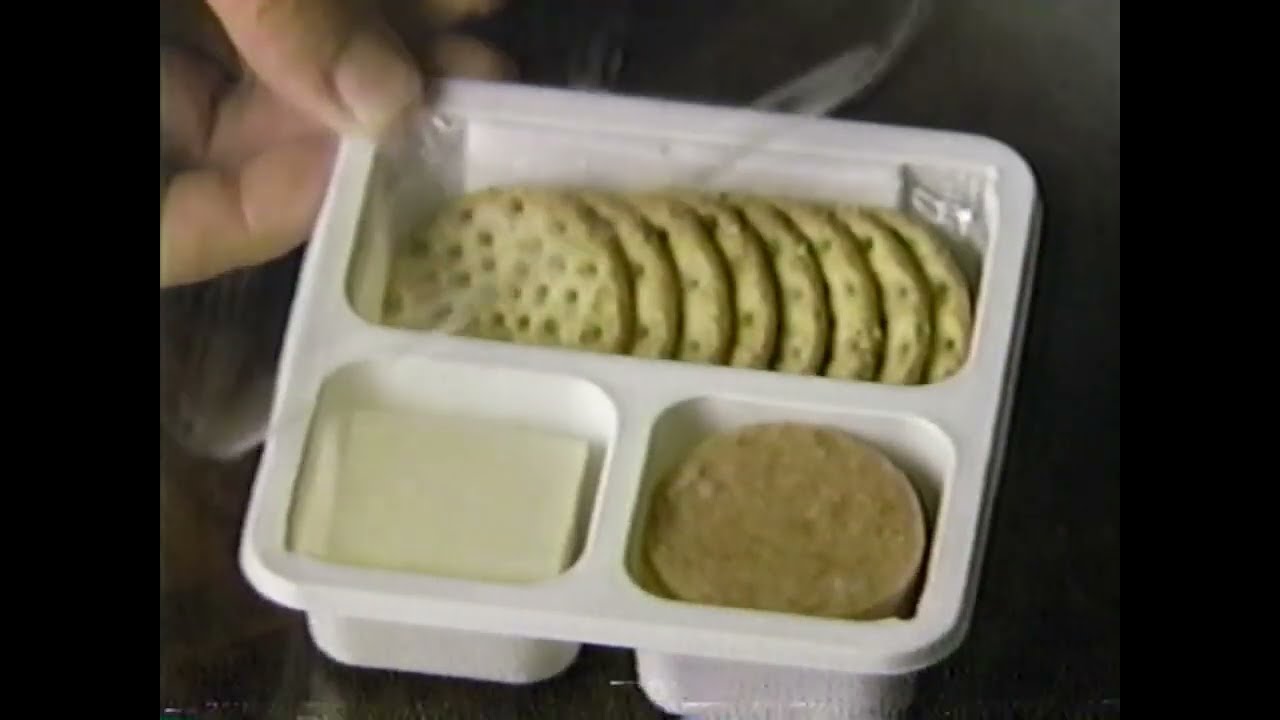
Lunchables
Prepackaged lunch trays where kids assembled their own mini-sandwiches from stackable crackers, meat slices, and cheese. The appeal was autonomy — you were in charge — making Lunchables a 1990s lunchbox status symbol that transformed eating from a chore into an activity.

Teddy Grahams
Tiny bear-shaped graham crackers, arms up or arms down, shaken out of the box by the fistful. Nabisco launched Teddy Grahams in 1988 in honey, cinnamon, and chocolate, and they immediately colonized every lunchbox, snack cup, and church-nursery cracker bowl in America — the rare 80s launch that feels completely 90s.
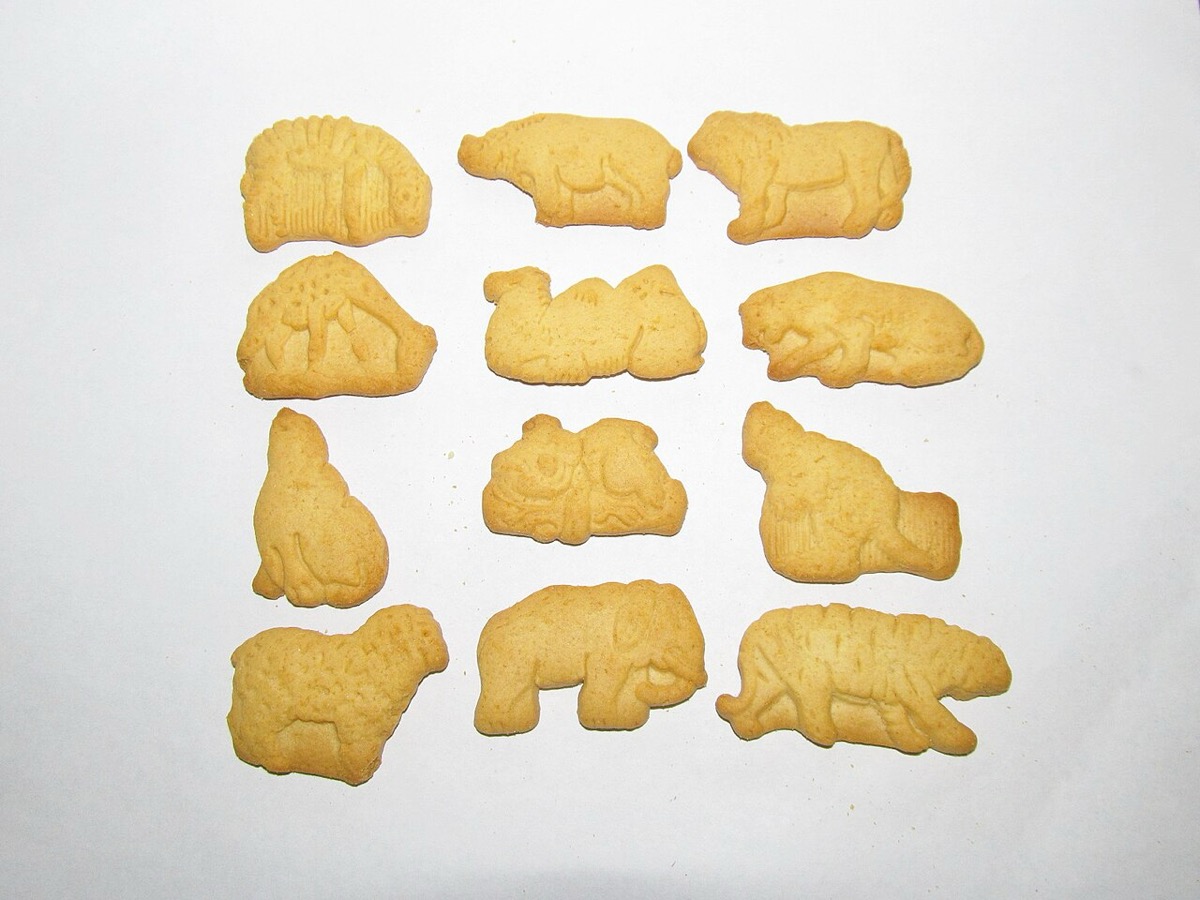
Barnum's Animals Crackers
The little circus-wagon box of animal-shaped cookies with the string handle — worn around the neck like a tiny snack pendant by generations of kids. Nabisco's Barnum's Animals date to 1902, when the string was added so the box could hang on a Christmas tree, and they never left the grocery shelf.