Apologize

Mournful piano, Ryan Tedder's cracked falsetto, and Timbaland's clicking beat underneath — "it's too late to apologize" was inescapable in 2007. The remix took a dropped band from MySpace to number two on the Hot 100 and a US radio airplay record.
"Apologize" was written by OneRepublic frontman Ryan Tedder, and its path to ubiquity ran through the wreckage of the band's first deal: Columbia dropped OneRepublic two months before their debut album was due, and the band built its first real following on MySpace as an unsigned act. Then Timbaland put his remix of the song on his 2007 album Shock Value, and everything changed. The same track also anchored OneRepublic's own debut, Dreaming Out Loud — but the Timbaland version, with its clicking beat laid under the song's mournful piano and Tedder's cracked falsetto, is the one the whole world heard.
The numbers were staggering. "Apologize" reached number two on the Billboard Hot 100, holding there for four non-consecutive weeks, and spent 25 weeks inside the top 10. It hit number one in 16 countries and sat atop the Billboard Pop 100 for eight straight weeks. On US Mainstream Top 40 radio it set a then-record of 10,394 plays in a single week — a record that stood until Leona Lewis's "Bleeding Love" broke it, a song Tedder also co-wrote. It earned a Grammy nomination for Best Pop Performance by a Duo or Group with Vocals, and by February 2014 it had sold 5,819,000 copies in the US alone.
"Apologize" became the template for late-2000s radio balladry — a dropped band's song elevated by a producer's remix into one of the defining hits of the decade, and the launchpad for Tedder's second career as pop's go-to songwriter.
Similar items

MySpace
MySpace launched in August 2003 and became the social network that swallowed the mid-2000s internet — where everyone's first friend was Tom. Top 8 rankings sparked drama, profile songs played on auto-load, and DIY HTML customization meant glitter graphics and autoplay music ruled. Bands broke careers there; it was the most-visited website in the US by 2006.
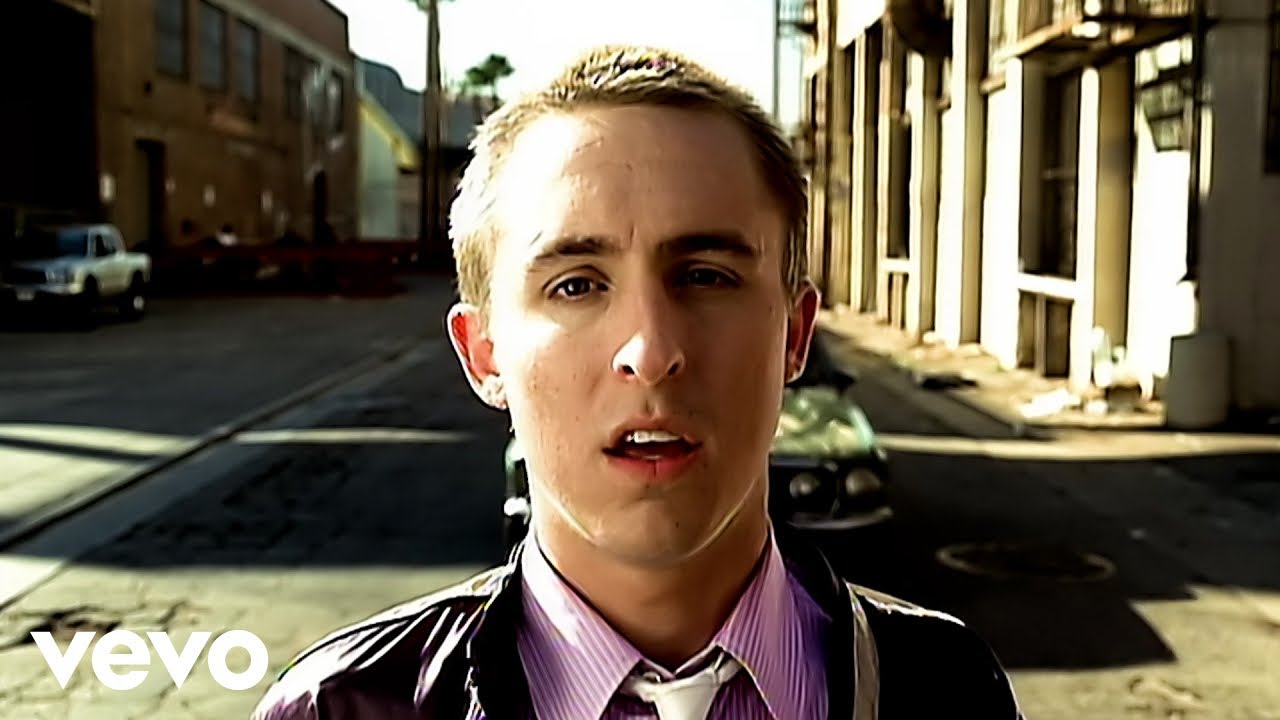
Ocean Avenue
Pop-punk with a violin section of one. Yellowcard's signature song only reached #37 on the Hot 100, but it went double Platinum and became the era's defining leave-this-town anthem — named for a street that doesn't quite exist.

One Tree Hill
Half-brothers, one basketball court, one small North Carolina town. One Tree Hill turned its episode titles into a running playlist and taught a generation that brooding on a riverside court wasn't just a mood — it was an identity.

JoJo — Leave (Get Out)
A thirteen-year-old telling off a no-good boyfriend with the vocal control of a grown soul singer. "Get out — right now!" was the kiss-off anthem of 2004, belted into a million hairbrushes by kids exactly JoJo's age.