Addams Family Values

Wednesday at Camp Chippewa, baby Pubert, and Joan Cusack as the nanny who marries Fester to murder him. The 1993 sequel was darker and funnier than the first Addams Family, made far less money, and is the one everybody quotes now.
The 1991 Addams Family had been Barry Sonnenfeld's directing debut and a $191 million hit, so Paramount brought back Sonnenfeld, Anjelica Huston, Raul Julia, Christopher Lloyd and Christina Ricci, added Joan Cusack and Carol Kane, and let screenwriter Paul Rudnick go darker. Even the title was a joke, a jab at Dan Quayle's 1992 speech blaming the Los Angeles riots on a collapse of "family values." Cameras rolled in Los Angeles on February 8, 1993. The plot gives Gomez and Morticia a baby, Pubert, and a nanny, Debbie Jellinsky, who marries rich bachelors and kills them for the inheritance; she seduces Uncle Fester, tries to electrocute him with a boombox in the bathtub, and packs Wednesday and Pugsley off to Camp Chippewa, shot at Sequoia Lake beside Sequoia National Park, where relentlessly cheerful counselors Gary and Becky cast Wednesday as Pocahontas in a first-Thanksgiving pageant and sentence her to the Harmony Hut, hours of saccharine family television, when she refuses.
Huston later said it became clear during filming that Julia was unwell; he was losing weight and struggling to eat. He died on October 24, 1994, and this was the last of his films released in his lifetime. Michael Jackson had recorded a song for the movie, "Family Thing," that went unused over contract terms with Paramount; what did make the soundtrack was Tag Team's "Addams Family (Whoomp!)," a remix of their hit with the old TV theme, with Ricci and Jimmy Workman in the video. It won the Razzie for Worst Original Song.
Paramount opened it on November 19, 1993, at number one with $14.1 million, after which Mrs. Doubtfire swallowed the holidays. It finished with $48.9 million domestically against the original's $113.5 million, $111 million worldwide on a $47 million budget. The reviews were the better ones, though: Janet Maslin credited Rudnick's "delightfully arch, subversive humor," Roger Ebert gave it three stars and said it improved on its predecessor, and Variety said Ricci brought "a depth to her character well beyond her years." Ken Adam's production design earned an Oscar nomination.
Sonnenfeld blamed the marketing, which sold it as more of the same instead of "the Pubert of it all and the Fester of it all," and allowed that "the first film is more romantic and the second film is funnier." Time has agreed. The camp sequence and Cusack's Debbie are the parts people replay and meme, and Ricci went straight from Wednesday to Casper and Now and Then.
Similar items

Casper
The friendly ghost who just wanted a friend. Casper made history as the first feature film with a fully CGI lead character, and the 1995 merchandising blitz — Pizza Hut hand puppets, packed toy aisles — put him everywhere that summer. A Halloween cable staple ever since.
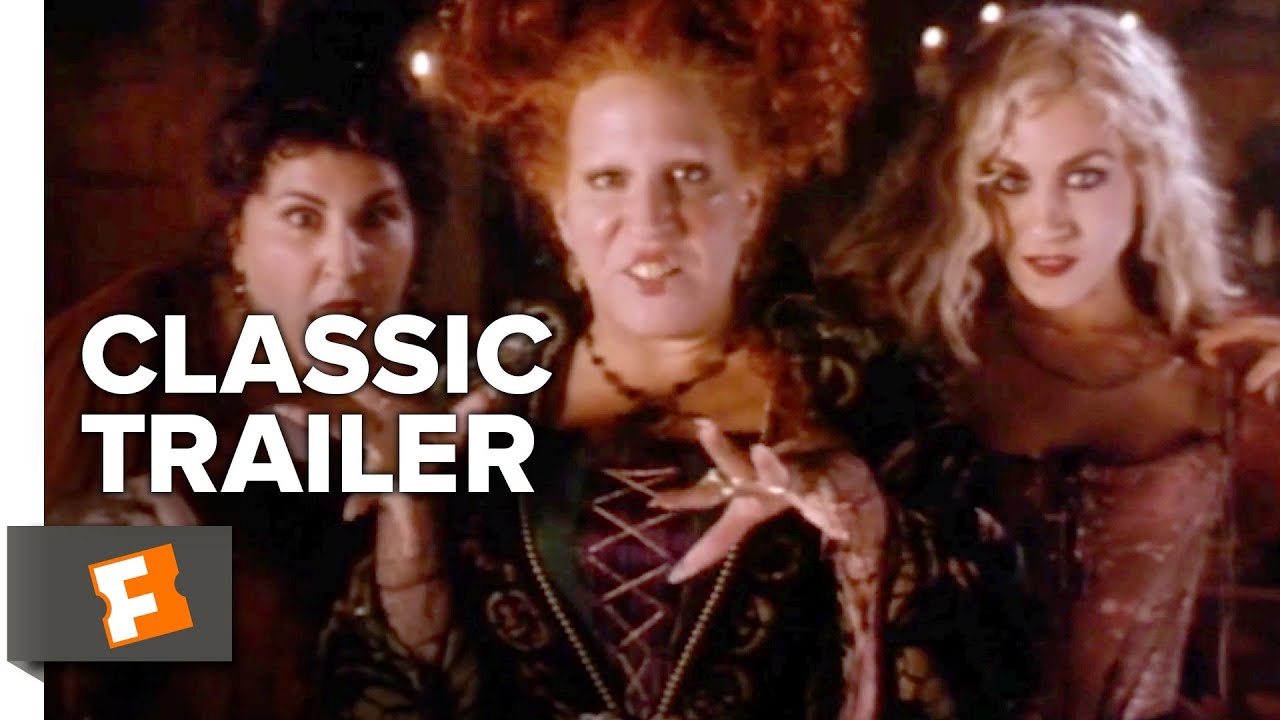
Hocus Pocus
The Sanderson sisters — Bette Midler, Sarah Jessica Parker, and Kathy Najimy — resurrected in Salem on Halloween night, chasing children and belting "I Put a Spell on You." A box-office flop in 1993 that became the ultimate Halloween rewatch tradition.

The Nightmare Before Christmas
The stop-motion marvel Tim Burton conceived — and Henry Selick directed — where the Pumpkin King of Halloween Town kidnaps Christmas. Danny Elfman wrote the songs and sang Jack himself. Disney thought it too dark for its own label in 1993; a decade later Jack's face was a mall uniform.

Beetlejuice
A sweetly dead young couple, stuck haunting their own house, hire a raunchy "bio-exorcist" to scare off the living — say his name three times and chaos answers. It's a 1988 film, but between the VHS shelf, October cable reruns, and the Saturday-morning cartoon, Beetlejuice belonged to 90s kids too.