The 1999 Women's World Cup

A sold-out Rose Bowl, a scoreless final that came down to penalty kicks, and Brandi Chastain on her knees with her jersey in her fist. The 1999 Women's World Cup was the summer American girls saw a stadium of 90,000 people screaming for a women's team — and sports in this country were never quite the same.
The United States hosted the 1999 FIFA Women's World Cup from June 19 to July 10, 1999, and what was expected to be a niche tournament turned into a full-blown national event. Led by Mia Hamm — the face of the team and of a thousand bedroom posters — the Americans marched through the bracket while crowds kept getting bigger. By the end, total attendance had passed 1.1 million, a record for the tournament that stood until 2015.
The final on July 10 had everything except goals. The U.S. and China played to a 0–0 draw through regulation and extra time in front of 90,185 fans at the Rose Bowl in Pasadena — an international record crowd for a women's sporting event — while the broadcast averaged 17.9 million American viewers and peaked around 40 million. It came down to penalty kicks. Goalkeeper Briana Scurry lunged to stop Liu Ying's attempt, and when Brandi Chastain buried the fifth American kick to win it 5–4, she whipped off her jersey and dropped to her knees in her sports bra — an image that ran on the covers of Sports Illustrated and Time the next day and instantly became one of the defining photographs in American sports.
The afterglow was real. The '99 team turned Hamm, Chastain, and Scurry into household names, sent a generation of kids to youth soccer sign-ups, and proved a women's tournament could fill NFL stadiums and prime-time broadcasts. Every U.S. women's team since — through Olympic golds and later World Cup wins — has played in the long shadow of that July afternoon in Pasadena.
Similar items

The 1998 Home Run Chase
All summer, McGwire and Sosa traded home runs while the whole country checked the tally on the nightly news. The 1998 chase for Roger Maris's record turned baseball back into must-see TV—and its record book now reads very differently.

The 1992 Dream Team
The 1992 Olympic basketball team wasn't just a team — it was a statement. Michael Jordan, Larry Bird, Magic Johnson, and nine others playing for gold in Barcelona, winning by an average of 44 points while their opponents asked for autographs. It was the moment American basketball became something the rest of the world would spend decades trying to catch up to.

Chicago Bulls (1990s dynasty)
Six rings in eight years as two three-peats: the defining sports dynasty of the 1990s. Jordan, Pippen, Phil Jackson's triangle, the 72–10 season, 'I'm back,' and the lights-out 'Sirius' intro every kid recreated in the driveway.
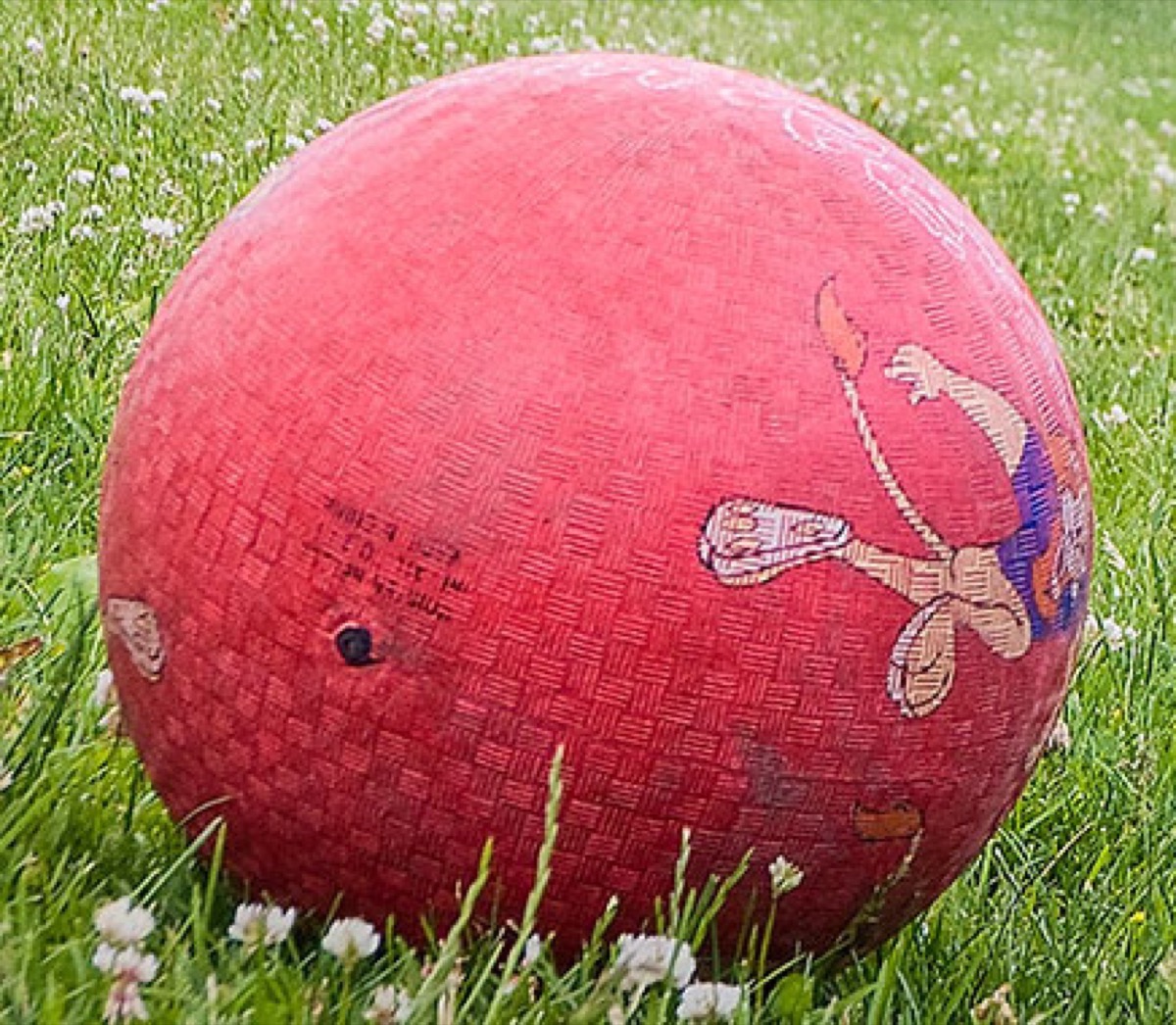
Kickball
The great equalizer of elementary recess: a big red rubber ball, a diamond scuffed into the grass, and a game of baseball you played with your feet. The same ball did double duty for four-square and dodgeball.