Toni Braxton

The husky contralto behind "Another Sad Love Song," "Breathe Again" and "Un-Break My Heart," two eight-times-platinum albums in a row, and the ballad Billboard named, in 1998, the most successful solo song in Hot 100 history — one she didn't want to record.
Toni Braxton grew up in Severn, Maryland, the eldest of six children of a Methodist clergyman, and started out singing in her church choir. She was studying to be a teacher at Bowie State when William E. Pettaway Jr., working at an Annapolis gas station, recognized her from local shows and offered to produce her. With her sisters she signed to Arista in 1989 as the Braxtons, and their 1990 single "Good Life" flopped but caught the ear of L.A. Reid and Babyface. They had her cut a demo of "Love Shoulda Brought You Home," a song they had written for Anita Baker; Baker, pregnant at the time, suggested Braxton record it instead, and it went on the soundtrack of Eddie Murphy's Boomerang and she was signed to their label, LaFace.
Her self-titled debut arrived in July 1993 and went to number one on the Billboard 200. "Another Sad Love Song" reached number seven, "Breathe Again" made the top five, and the album went eight times platinum in the U.S., sold more than ten million copies worldwide and won her three Grammys, including Best New Artist. Secrets, in June 1996, matched it at eight times platinum: "You're Makin' Me High" became her first Hot 100 number one, and the Diane Warren ballad "Un-Break My Heart," produced by David Foster, became the biggest hit of her career. "Toni hated the song," Warren said later — Braxton didn't want another heartbreak track — but Reid talked her into it. It spent eleven weeks at number one, and when Billboard marked forty years of the Hot 100 in 1998 it named it the most successful song by a solo artist in the chart's history.
The money did not follow the records. Braxton sued Arista and LaFace and soon afterward filed for Chapter 7 bankruptcy. She spent the gap on Broadway, starting September 9, 1998 as Belle in Beauty and the Beast, the first Black woman to lead the show on Broadway — Alan Menken wrote her a new song for it. The dispute settled in 1999, and her April 2000 album The Heat opened at number two, its single "He Wasn't Man Enough" winning her another Grammy. Later albums came amid label fights and a lupus diagnosis, and she became a reality-TV fixture with Braxton Family Values, whose original run on WE tv lasted from 2011 to 2020. In 2023 Rolling Stone ranked her number 48 among the 200 greatest singers of all time.
Similar items
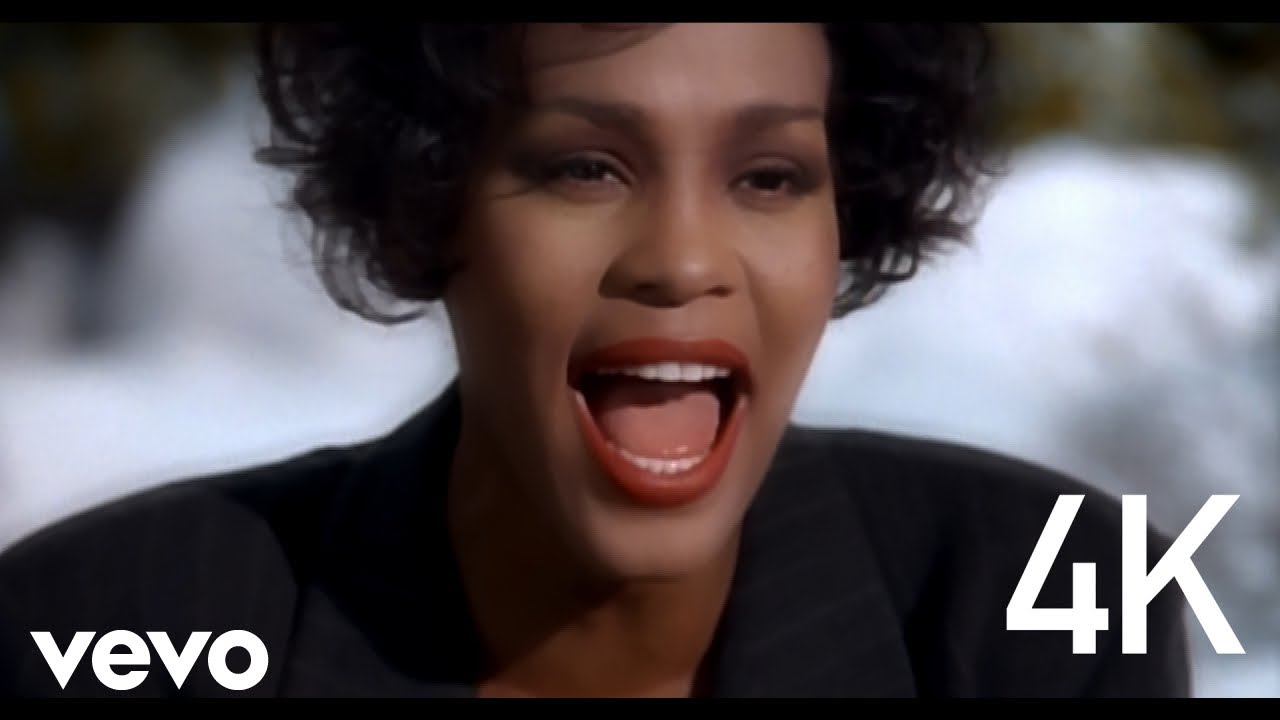
Whitney Houston
The Voice, no qualifier needed. Whitney Houston arrived in 1985 with a record-breaking debut and never slowed down: seven consecutive #1 singles — still unmatched — and, with The Bodyguard, the best-selling soundtrack of all time. For a stretch of the '90s, she simply was the pop ballad.
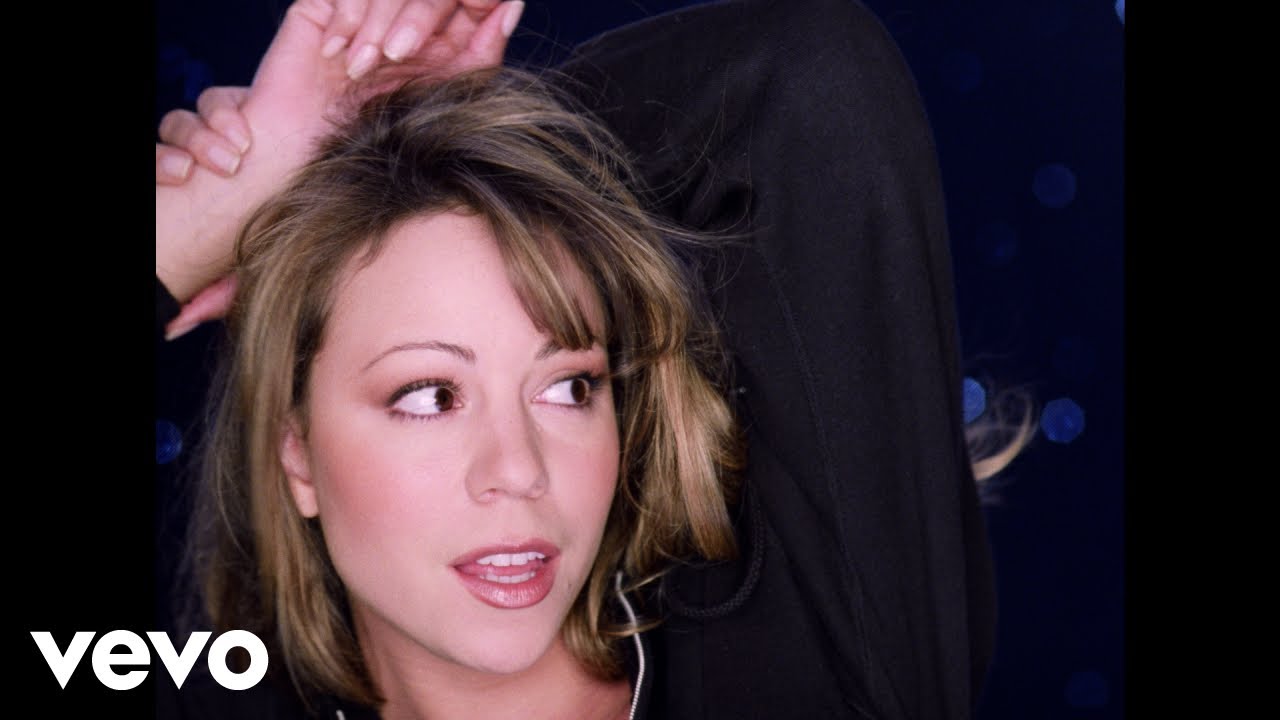
Mariah Carey
The voice: a five-octave range and that signature whistle register that became the sound of 1990s radio dominance. Columbia executive Tommy Mottola heard her demo tape at a party in December 1988, signed her, and launched a decade-long reign that would see her become the first artist whose first five singles all reached number one, and close the 1990s with fourteen #1 hits and Billboard's Artist of the Decade award.
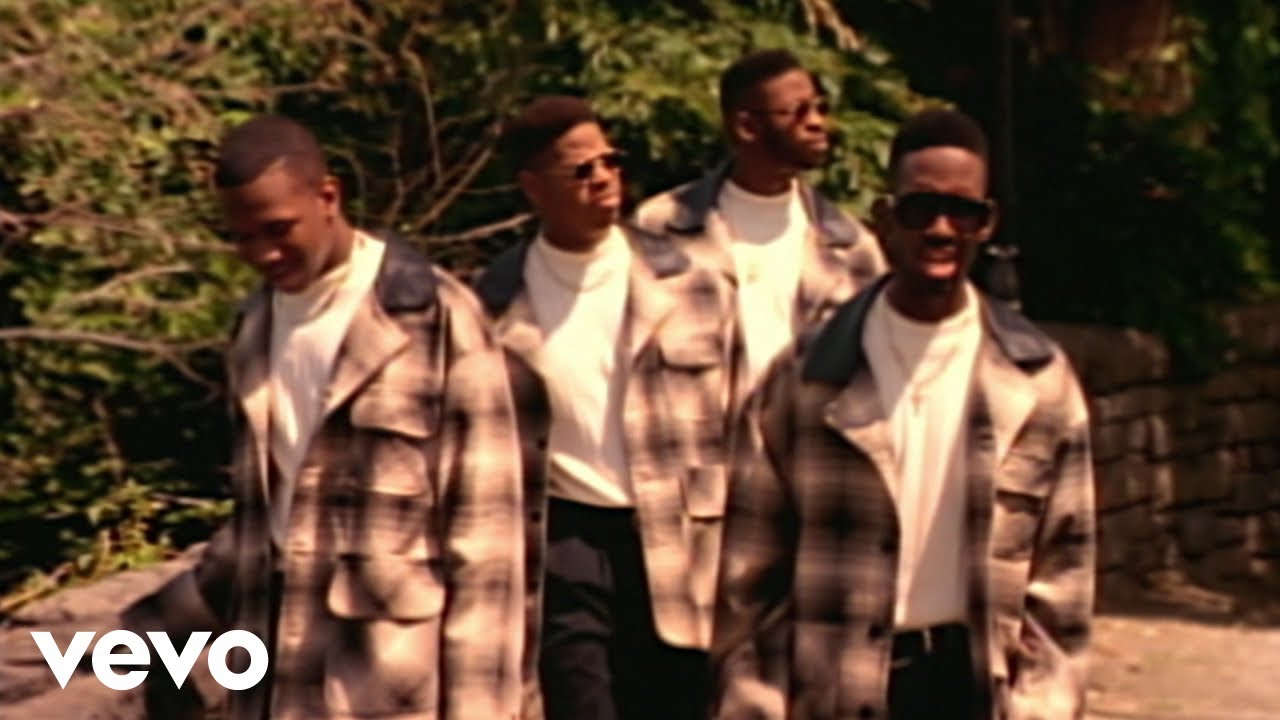
Boyz II Men
Four Philly harmonies that owned the 90s Billboard chart like nobody before them. Boyz II Men didn't just top the Hot 100 — they kept breaking the record for how long a song could stay there, soundtracking every slow dance of the decade along the way.
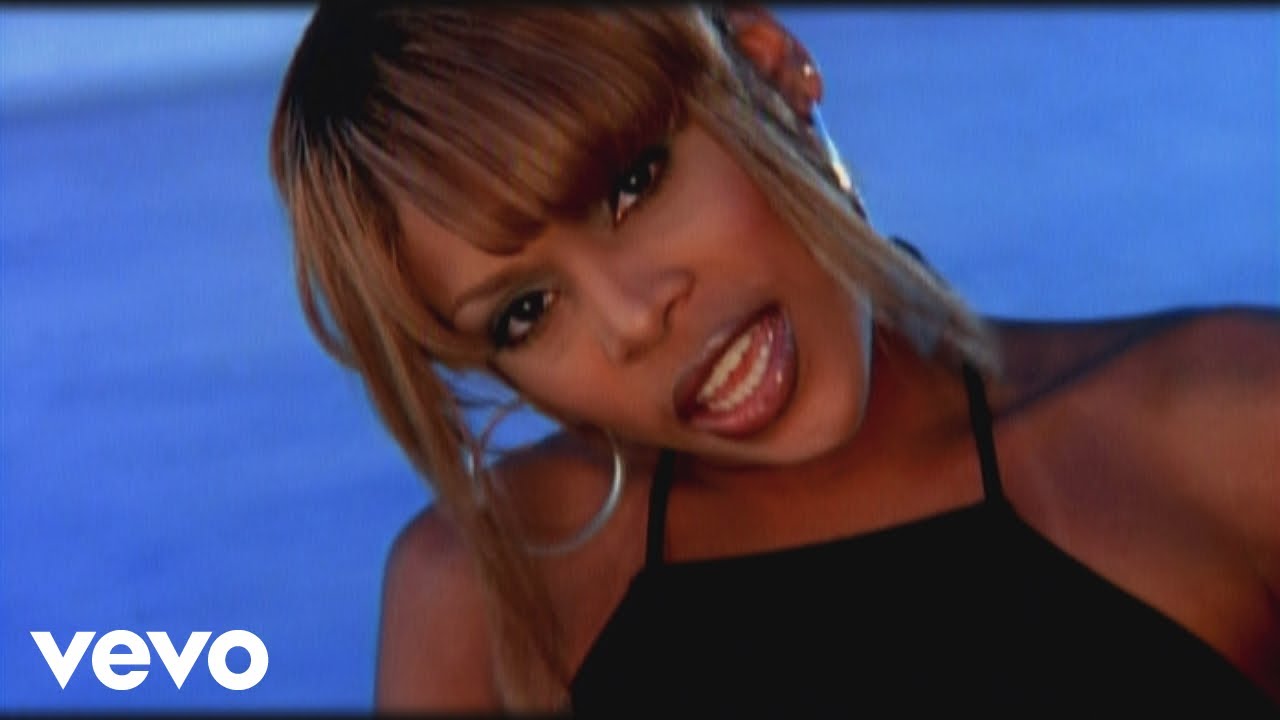
TLC
The best-selling American girl group since the Supremes. T-Boz, Left Eye, and Chilli fused hip-hop, R&B, and a playful safe-sex message into era-defining hits — "Waterfalls," "No Scrubs," "Creep" — in baggy streetwear that a generation copied.