Tiny Toon Adventures

Buster and Babs Bunny — no relation — headlined Steven Spielberg's class of next-generation Looney Tunes, studying under Bugs and Daffy at Acme Looniversity. It only produced new episodes for a couple of years, but those 98 episodes reran into the ground on after-school TV and burned the theme song into an entire generation. We're tiny, we're toony, we're all a little loony.
Tiny Toon Adventures was the show that made Steven Spielberg a kids'-cartoon brand name. Created by Tom Ruegger and produced by Warner Bros. Animation with Spielberg's Amblin Entertainment as executive producer, it launched with a prime-time CBS special on September 14, 1990, then settled into first-run syndication — the after-school slot where most kids actually found it. The premise was a legacy handoff: a new class of teenage toons, led by fourteen-year-old rabbits Buster and Babs Bunny ("no relation," every time), attends Acme Looniversity in Acme Acres, where the original Looney Tunes stars teach as professors — Buster learning from Bugs, Plucky Duck apprenticed to a perpetually exasperated Daffy.
The show looked like a throwback but was built like a premium production, and it showed. Across three seasons and 98 episodes it collected seven Daytime Emmy Awards, spun off a direct-to-video movie — How I Spent My Vacation, released in March 1992 — and gave early showcase work to a murderers' row of voice actors, including Tress MacNeille as Babs and Joe Alaskey pulling double duty as Plucky and Daffy himself. The regular series wrapped in 1992 with a final season on Fox Kids — two specials trailed behind in 1994 and 1995 — but the reruns kept rolling and the show never really left kids' TV rotation for the rest of the decade.
Its biggest legacy was what it proved: that a smart, gag-dense kids' cartoon with real animation money behind it could work in the 90s marketplace. The same Spielberg–Warner pipeline went straight from Tiny Toons into Animaniacs, and from there into Pinky and the Brain. Decades later the format came back around — a reboot, Tiny Toons Looniversity, ran on HBO Max and Cartoon Network from 2023 to 2025 — but for anyone who grew up in the early 90s, the originals are the only class that counts.
Similar items

Animaniacs
The manic variety cartoon that slipped jokes for adults past kids and a geography lesson past everyone. Yakko, Wakko and Dot burst out of the Warner Bros. water tower alongside Pinky and the Brain, Slappy Squirrel, and a cast of oddballs — fast, smart, and endlessly quotable.

Doug
The banana-yellow-sweater-vest kid, his journal narration, his crush on Patti Mayonnaise, and his daydream alter-ego Quailman. One of the original three Nicktoons — it actually aired first.
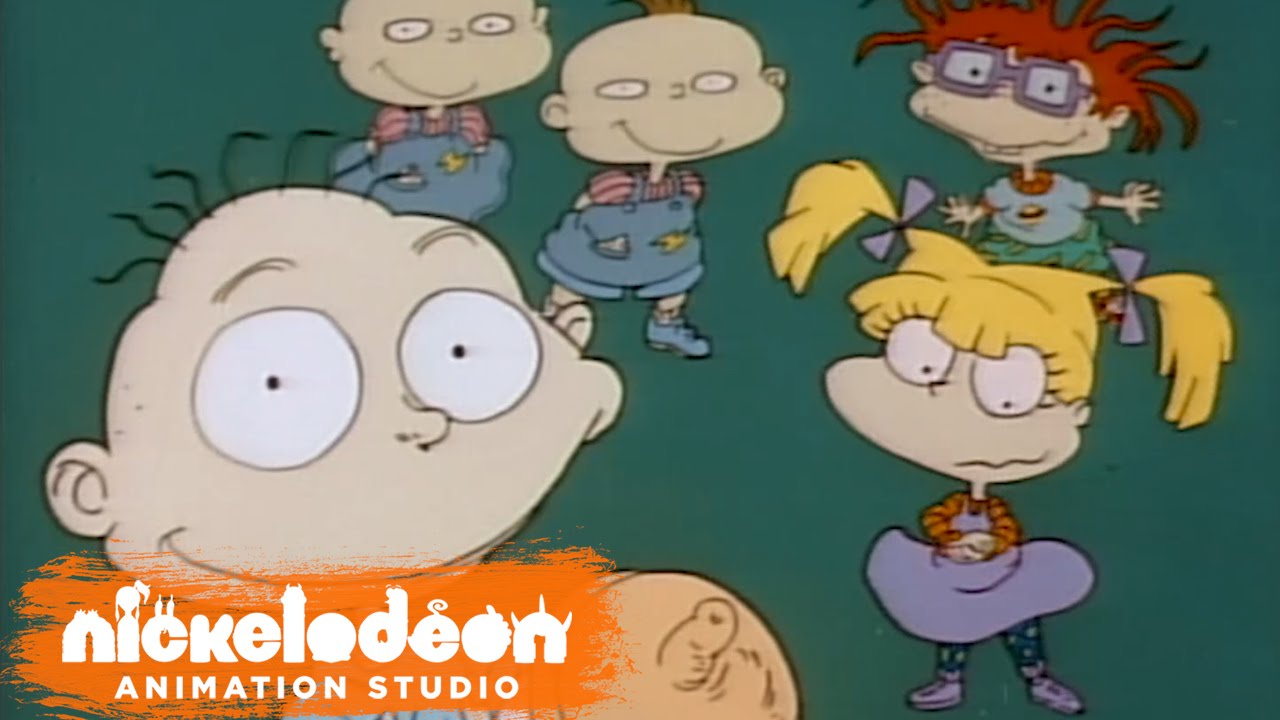
Rugrats
Nickelodeon's 1991 animated series gave the world the Pickles household — a group of talking babies narrating their daily adventures and misadventures with brilliant, absurdist humor. Rugrats proved that cartoons for kids didn't need to be dumbed down; the show's clever writing and wild imagination made it appointment TV for 90s kids and their parents.
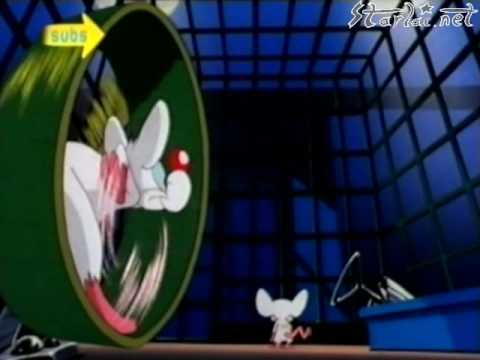
Pinky and the Brain
Two lab mice, one plan: try to take over the world. Every night. The Brain schemed, Pinky said 'Narf,' and a generation learned to answer 'Are you pondering what I'm pondering?' with something gloriously beside the point.