Supernanny

Jo Frost stepping out of a black London cab in a tailored suit, ready to fix your family. Supernanny made the "naughty step" a household phrase, turned toddler meltdowns into primetime television, and gave every 2000s kid the ambient fear that one bad tantrum could summon her.
Supernanny began on Britain's Channel 4 in July 2004 and was on American screens within a year, with ABC's version premiering in 2005. The format never wavered: Jo Frost, a professional nanny with years in the trenches, spent the first days simply observing a family in chaos — the tantrums, the bedtime wars, the eight-year-old ruling the house — then delivered her diagnosis and installed her system. Rules were posted. Routines were laminated. And misbehavior earned time on the show's great contribution to the language: the naughty step.
Frost was the show. Firm but never cruel, she was strictly opposed to spanking and preached consistency as the whole game — the naughty step only worked if you returned the escaping child to it forty times in a row, and the show's most riveting sequences were exactly that war of attrition, parents near tears while Frost stood calmly by. The reveal at the heart of every episode was quietly radical for reality TV: the kids were never the problem. By the final act the parents were following through, the house was calm, and Frost rolled away in the cab while everyone at home swore their own children would never.
The American run lasted until 2011, by which point the format had gone global — versions of Supernanny were eventually made in dozens of countries. Frost moved on to further parenting series, and the show settled into its long afterlife as comfort viewing and, for anyone who was a kid when it aired, a core memory: the theme music, a sibling yelling "you're getting the naughty step," and the strange authority of a woman who could silence a screaming four-year-old with an accent and a look.
Similar items

Wife Swap
Two families — usually polar opposites — traded moms for two weeks, with a rules-change ceremony in the middle and an excruciating reunion table at the end. The appeal was simple and irresistible: watch how other people live, then decide whether your own house was really so bad.
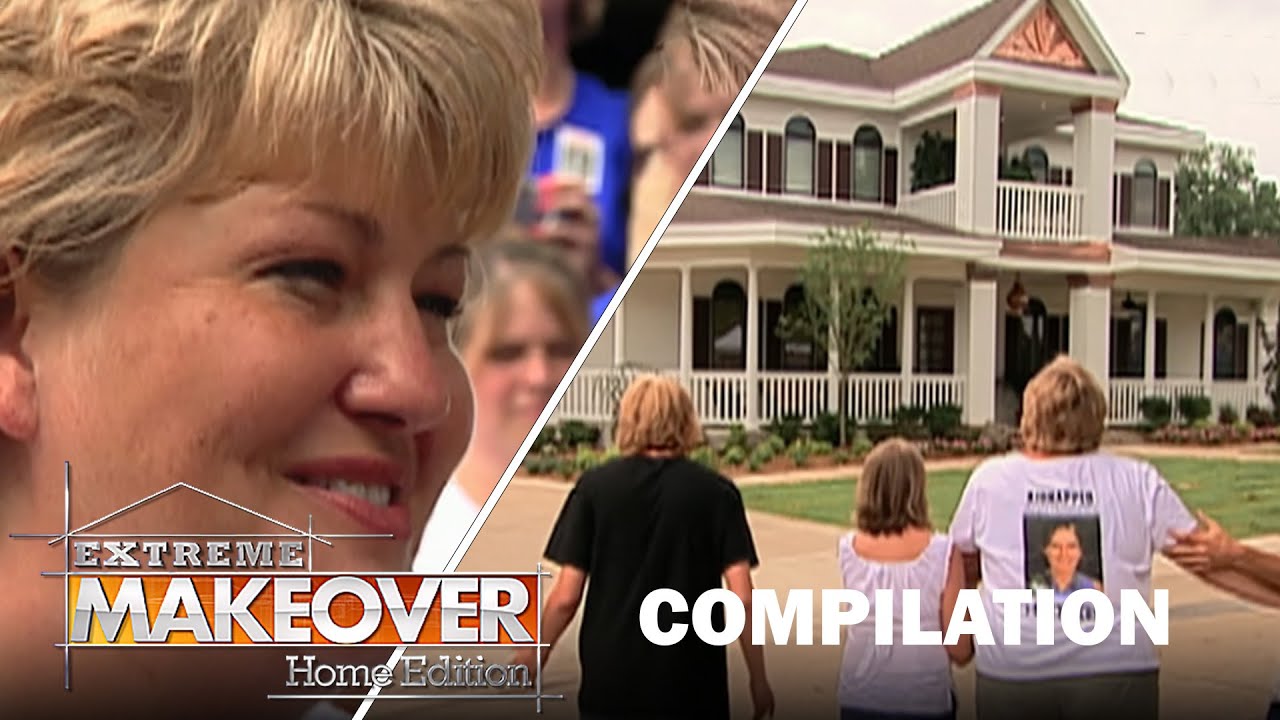
Extreme Makeover: Home Edition
A family facing hardship gets sent on vacation while a crew of designers completely rebuilds their house into a dream home — then comes the reveal, a crowd gathers, and the chant erupts: "Bus driver, move that bus!" This was comfort-food television at its warmest, the feel-good juggernaut of the 2000s.
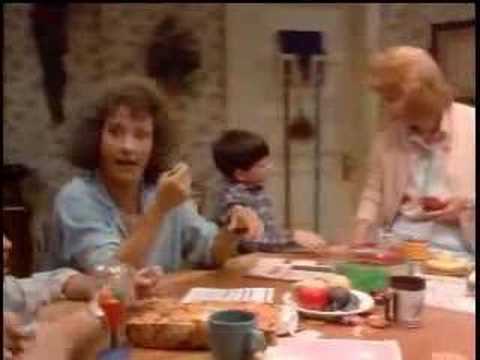
Roseanne
The loudest kitchen table on television. Roseanne Barr and John Goodman as Dan and Roseanne Conner, working double shifts in Lanford, Illinois and trading wisecracks about bills, kids, and each other — the sitcom that made a struggling blue-collar family the biggest thing in prime time.
America's Funniest Home Videos
Backyard mishaps, wedding disasters, and cats falling off furniture — network primetime built entirely from viewers' camcorder tapes, with a $10,000 prize on the line. America's Funniest Home Videos captured the moment when every family owned a camcorder and one shot at fame.