Sublime
The Long Beach ska-punk legends who put out their early records on Skunk Records, their own DIY imprint, and whose sun-drenched sound against a backdrop of tragedy became the whole story. They broke nationally in 1995 with "Date Rape" on LA's KROQ, but the songs everyone remembers—"What I Got," "Santeria," "Wrong Way"—arrived after Bradley Nowell's heroin overdose in May 1996, two months before the album that contained them.
Formed in 1988 in Long Beach, California, Sublime assembled around Bradley Nowell (vocals and guitar), Eric Wilson (bass), and Bud Gaugh (drums)—a ska-punk and reggae-rock trio releasing through Skunk Records, the DIY imprint the band ran themselves. They spent the late 80s and early 90s crafting a sound that was relentlessly sunny and upbeat on the surface, layered with ska rhythms and reggae grooves, but often touched by darker lyrical preoccupations. Their 1992 debut album, 40oz. to Freedom, sold modestly at first until the song "Date Rape" found its way into rotation on KROQ, LA's legendary alternative-rock station, in 1995. The track seemed to unlock something in the album's commercial potential; 40oz. to Freedom eventually sold over 200,000 copies on word of mouth and airplay alone.
Then came the tragedy that forever frames Sublime's story: on May 25, 1996, Bradley Nowell died of a heroin overdose in a San Francisco motel room. The timing was devastating—the death came the day after the band's final show and just two months before their self-titled major-label album arrived in July 1996. The posthumous supernova began almost immediately: "What I Got" climbed to number one on the Modern Rock chart, followed by "Santeria" and "Wrong Way," all over rock radio through 1996 and 1997. The album itself reached number 13 on the Billboard 200 and was certified 5x platinum in December 1999; by 2009 the band had sold over 17 million albums worldwide. The sun-drenched sound—all reggae rhythms and breeziness—against the reality of Nowell's death created a cognitive dissonance that somehow made the music more powerful, more resonant, more lasting.
Lou Dog, Nowell's beloved dalmatian (adopted in 1990), became part of the Sublime mythology, wandering the stage during performances and woven into the lyrics themselves. After Nowell's death, bassist Eric Wilson and drummer Bud Gaugh carried on under the name Long Beach Dub Allstars from 1997 to 2002, keeping the reggae-rock flame alive. Sublime itself eventually reunited with a replacement vocalist, but the story—the true Sublime story—belongs to those three years, to Nowell's voice and the tragedy that gave his music its permanent poignancy.
Similar items

Sugar Ray
The funk-metal band that flipped into sunshine pop overnight with "Fly" in 1997—a reggae-tinged groove with bleak lyrics about death wrapped in an impossibly breezy hook, with Mark McGrath's frosted tips becoming the era's defining haircut. They owned the radio from 1997 to 2001—"Every Morning," "Someday," "When It's Over"—then eased into the fade, with McGrath resurfacing as a celebrity-news host on Extra.
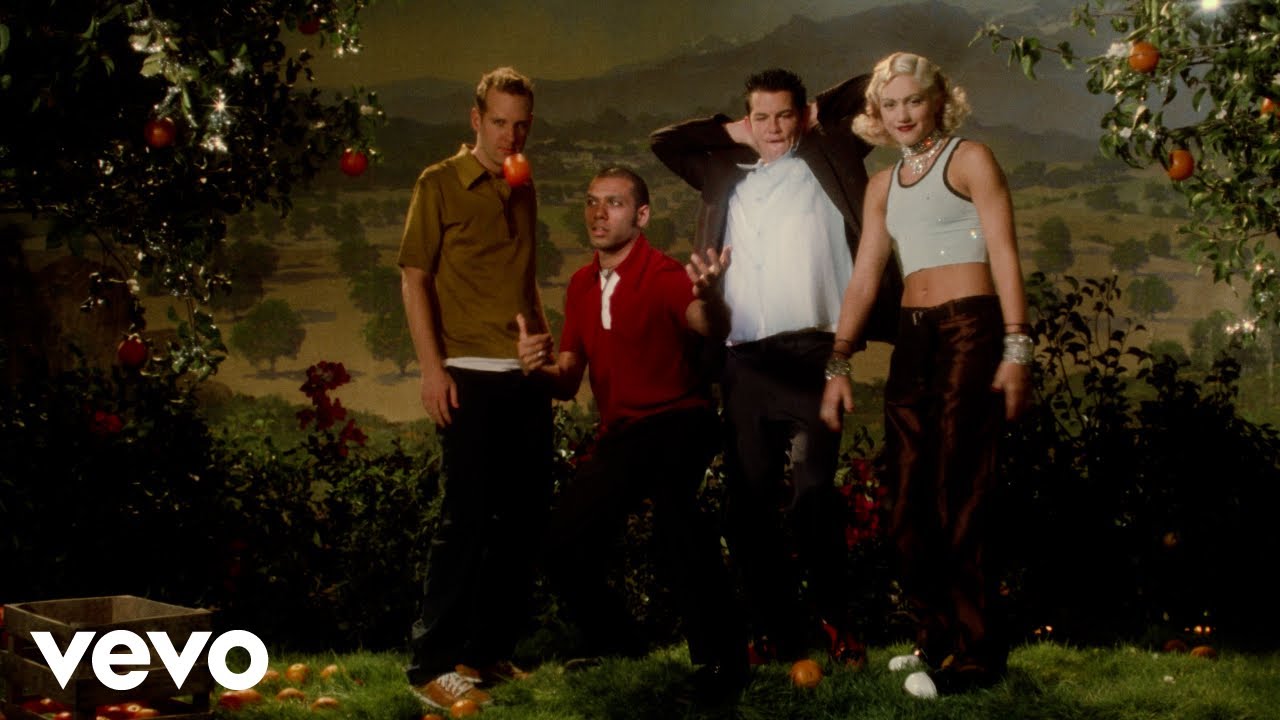
No Doubt
Gwen Stefani's bindi, bleached-blonde hair, and midriff on full display, fronting a bouncy ska-punk band out of Anaheim. "Just a Girl" and the aching "Don't Speak" made Tragic Kingdom one of the decade's defining albums.

311
The Omaha band that fused alt-rock, reggae, funk, and rap into a laid-back sound built for summer. Their 1995 self-titled "Blue Album" broke them nationwide on the strength of "Down" and "All Mixed Up," and their two-vocalist lineup has stayed intact for decades.
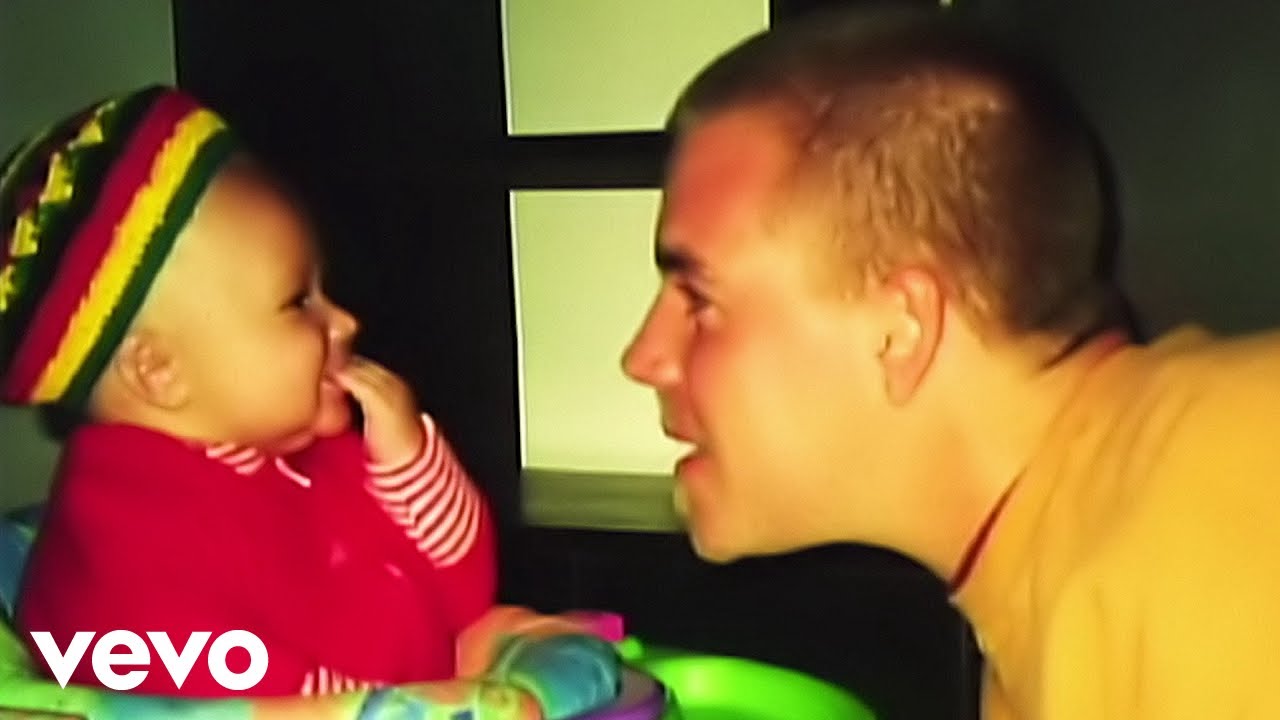
Sublime — "What I Got"
Sublime's defining hit reached radio one week before the album — and two months after Bradley Nowell's fatal heroin overdose. It went to #1 on Billboard's Modern Rock chart, the band's biggest song sung by a frontman who was already gone, its shrugging "lovin' is what I got" warmth forever shadowed by the tragedy behind it.