Robyn — "Show Me Love"
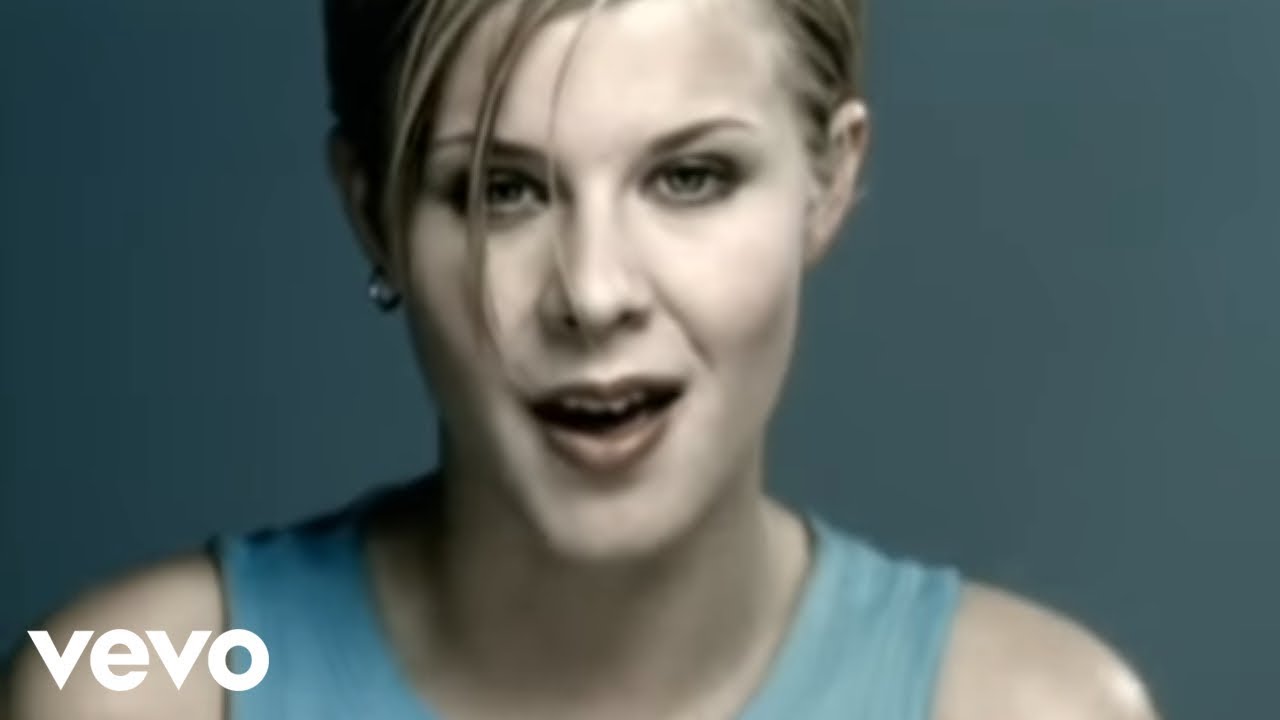
A Swedish teenager on American radio a year before "…Baby One More Time" — written with Max Martin and produced at Stockholm's Cheiron Studios before the Cheiron sound conquered the world. It hit #7 on the Hot 100 (not to be confused with Robin S.'s 1993 house classic of the same name).
Robin Miriam Carlsson — born June 12, 1979, in Stockholm — released her debut album Robyn Is Here in Sweden in October 1995, and it reached the US in 1997. By then she was already a Cheiron Studios artist, working with Denniz Pop and Max Martin, the producers whose assembly line would shortly power the Backstreet Boys and the entire American teen-pop boom. "Show Me Love," written by Robyn and Max Martin and produced by Pop and Martin, was released in Sweden on February 24, 1997 — Cheiron pop before America knew what Cheiron was.
In the US it climbed to #7 on the Billboard Hot 100 and was certified Gold by December 1997, reaching #8 in the UK and #2 in Canada. Paired with "Do You Know (What It Takes)," it made Robyn a double top-10 artist on American radio across 1997–98 — a Swedish teenager scoring stateside hits the year before Britney broke. One thing it was not: Robin S.'s 1993 house anthem "Show Me Love" — a completely different song that happens to share the title.
The song had a second cultural life at home: the acclaimed 1998 Swedish film Fucking Åmål took "Show Me Love" as its international English-market title, with Robyn's song playing over the film's ending. And Robyn herself had a second life too — she left Jive Records in the mid-2000s, founded her own Konichiwa Records, and reinvented herself as an acclaimed electronic-pop auteur with 2005's Robyn. The 90s teen-pop singer became alt-pop royalty, which makes "Show Me Love" a fascinating artifact: the future stateswoman of alt-pop, age seventeen, singing the Cheiron blueprint before the blueprint had a name.
Similar items
Backstreet Boys
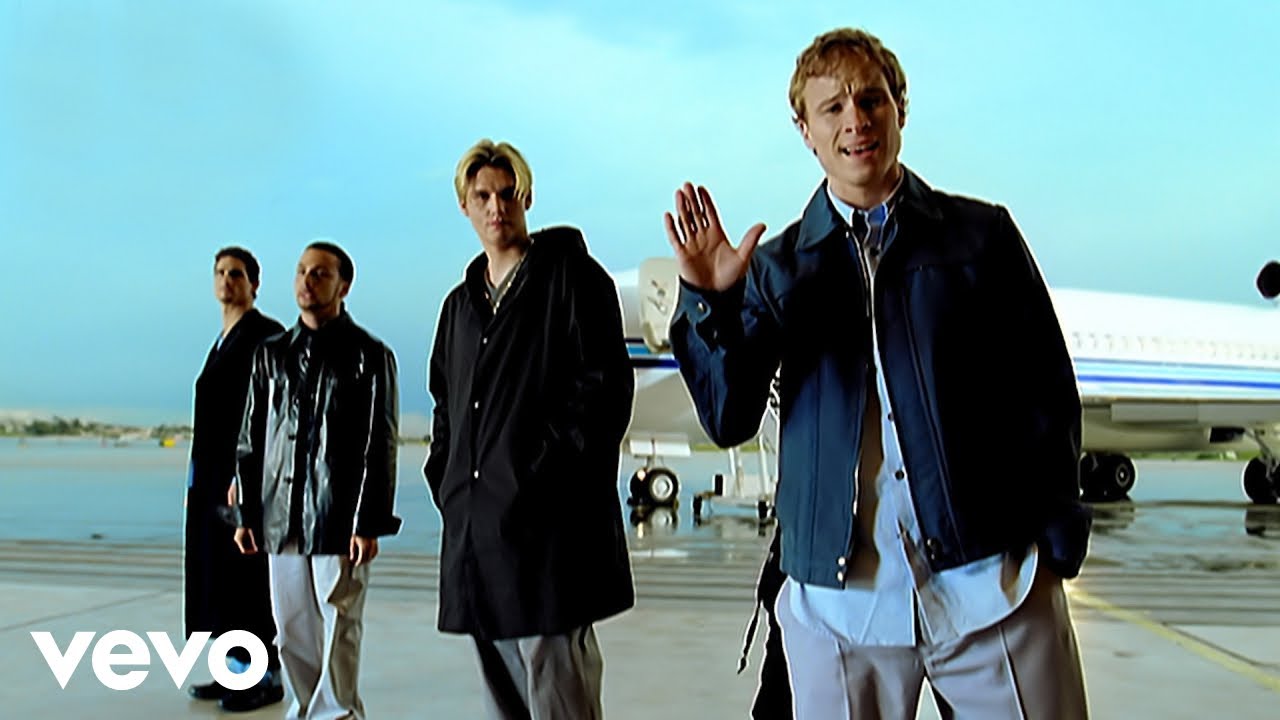
Orlando's harmonizing five-piece formed the template for late-90s teen-pop dominance. The Backstreet Boys' matching choreography and Lou Pearlman's boy-band machinery made them a TRL staple, an arena-tour juggernaut, and the answer to every teen magazine's "Who's your favorite Backstreet Boy?" quiz.
Backstreet Boys — "I Want It That Way"
The boy-band anthem that became iconic despite its infamously nonsensical lyrics, which even Kevin Richardson admitted "really doesn't make much sense." Peaked at number six on the Hot 100 due to chart technicalities, but hit number one in over twenty-five countries and spent ten weeks atop the US Adult Contemporary chart—Rolling Stone later ranked it among the 500 greatest songs of all time.
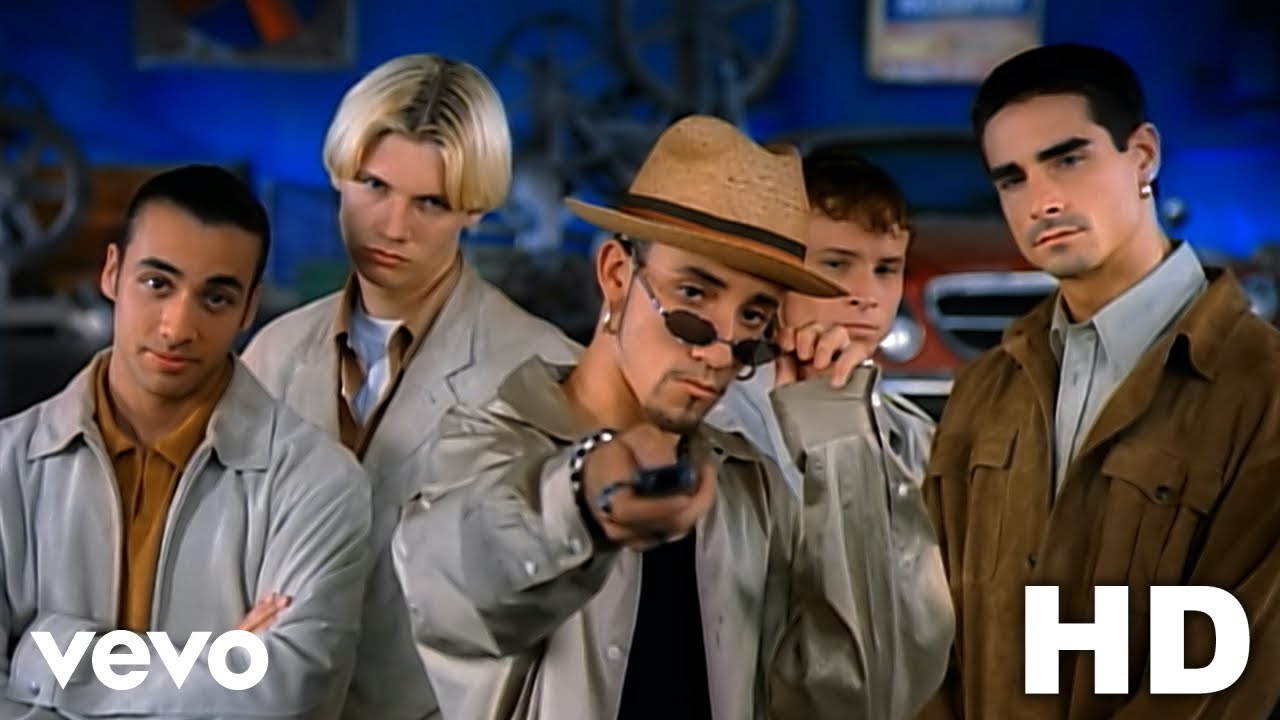
Backstreet Boys — "As Long as You Love Me"
The sweeping mid-tempo ballad that showcased the softer side of the BSB formula—all yearning strings and harmonies, shipped to radio without a physical single. Ineligible for the Hot 100 under 1990s chart rules, it still became a top-three hit across the world, and that folding-chair choreography in the music video became instantly iconic.

NSYNC — "It's Gonna Be Me"
NSYNC's only Billboard Hot 100 number one—a fact that still surprises people because "Bye Bye Bye" felt bigger. Released May 2000 as the second single from No Strings Attached, it rode the Cheiron formula to the top for two weeks that summer, then spawned one of the most baffling memes of the 2010s when "It's Gonna Be May" took over the internet every April 30.