Selena
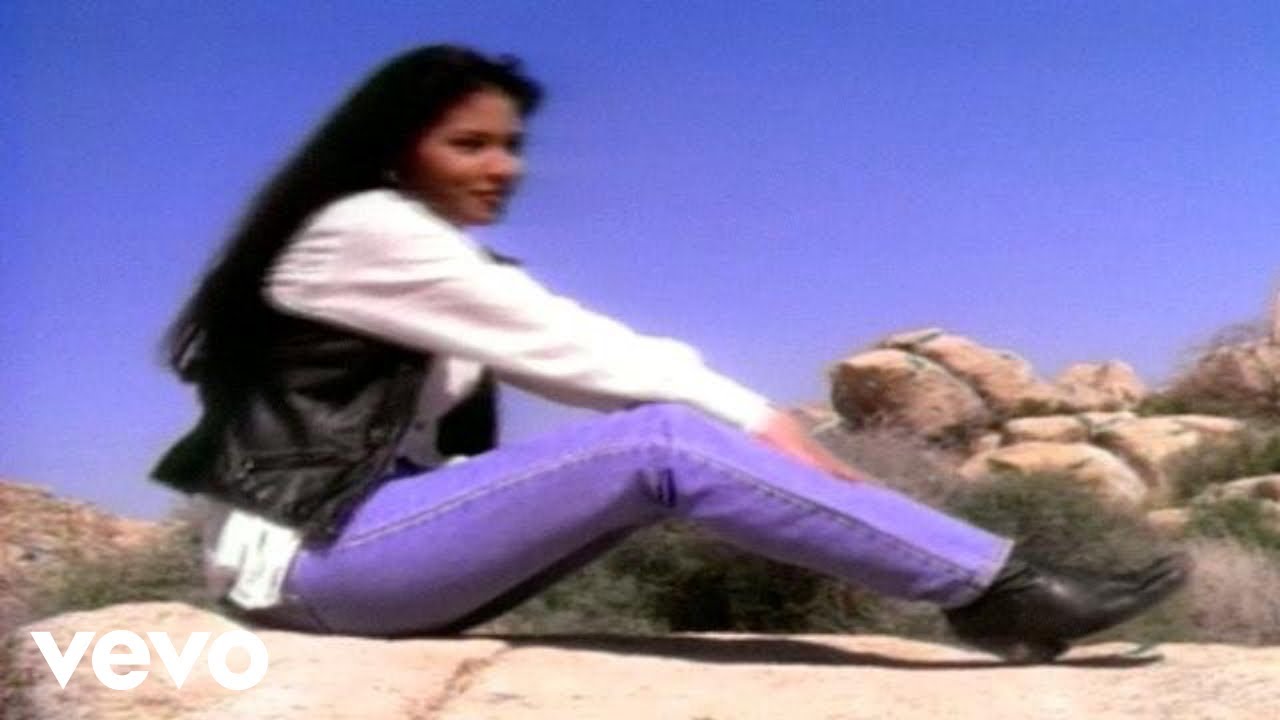
The Queen of Tejano. Selena Quintanilla took a regional Texas-Mexican sound to Grammy stages and arena crowds, and was on the edge of English-language crossover stardom when her life was cut short in 1995 — weeks before her 24th birthday.
Born April 16, 1971 in Lake Jackson, Texas, Selena Quintanilla spent her childhood fronting the family band, Selena y Los Dinos, alongside her brother A.B. and her sister Suzette. Through years of Texas dance halls and fairgrounds, she became the face of Tejano — a genre whose stages had belonged almost entirely to men.
The early 1990s turned her into a phenomenon. Entre a Mi Mundo (1992) sat atop Billboard's regional Mexican albums chart for months, and her 1993 album Live! won Best Mexican/American Album at the 1994 Grammys — the first win in the category for a female Tejano artist. Amor Prohibido (1994) sent four singles to number one, became one of the best-selling Latin albums in US history, and pushed Tejano to a bigger, younger audience than the genre had ever seen. Media outlets crowned her the Queen of Tejano music; fans just called her Selena.
On March 31, 1995, she was murdered in Corpus Christi. The grief was enormous and public — and so was the proof of what was coming next: Dreaming of You, the crossover album she'd been recording, was released that July and debuted at number one on the Billboard 200, making Selena the first Latin artist ever to do it. The 1997 biopic starring a then-rising Jennifer Lopez carried her story to an even wider audience, and every generation since seems to rediscover her — the purple jumpsuit, that megawatt smile — as if she never left.
Similar items
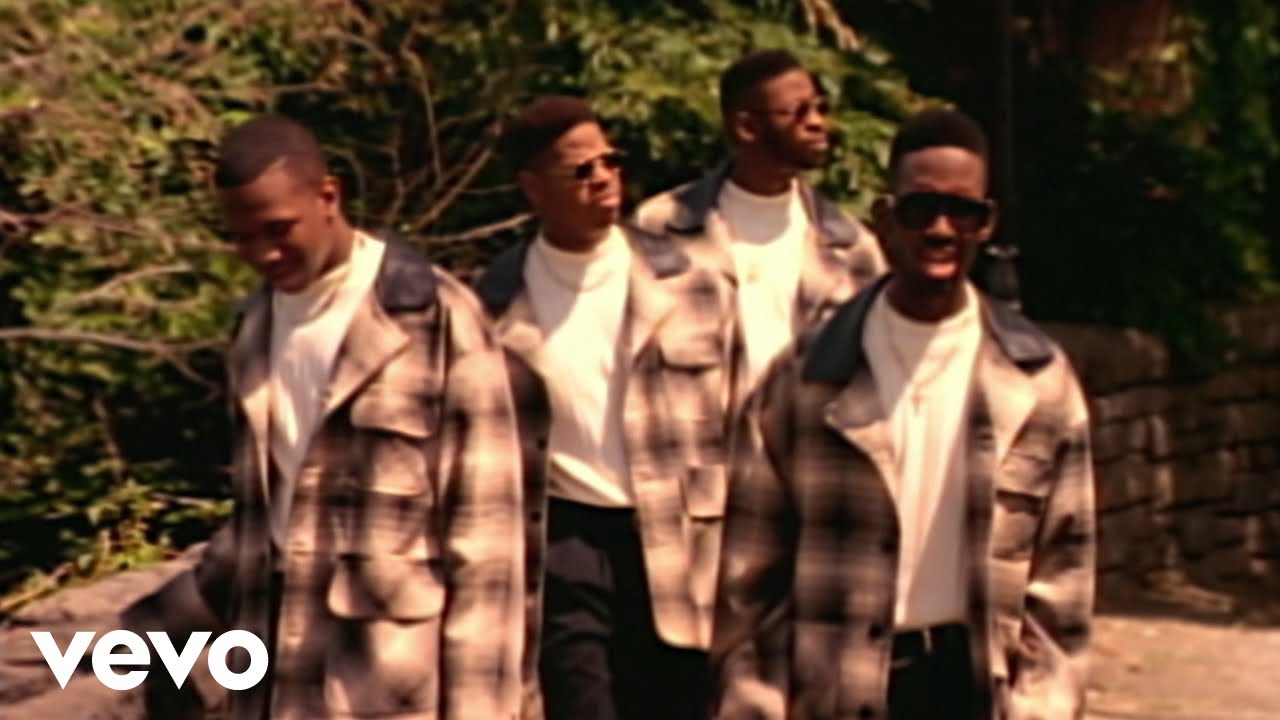
Boyz II Men
Four Philly harmonies that owned the 90s Billboard chart like nobody before them. Boyz II Men didn't just top the Hot 100 — they kept breaking the record for how long a song could stay there, soundtracking every slow dance of the decade along the way.

Wishbone
A Jack Russell terrier named Wishbone daydreams his way into classic literature, acting out the great stories in costume from a small Texas town. PBS's live-action oddity aired from 1995 to 1997, won a Peabody and multiple Emmys — and stopped anyway, reportedly because a literature-loving dog lacked merchandising potential.