Robot Chicken

Seth Green's action figures, animated into eleven minutes of sugar-rush sketches on Adult Swim. Robot Chicken premiered February 20, 2005, dropping toy-aisle heroes into mundane adult life, and its Star Wars special got George Lucas himself into the recording booth.
Before it was a show it was a magazine feature. Twisted ToyFare Theatre, a photo comic in ToyFare magazine, posed action figures in absurd scenarios, and the idea went online in 2001 as Sweet J Presents, a 12-episode stop-motion series for Sony's Screenblast.com, before Seth Green and Matthew Senreich brought it to television. Robot Chicken, named after a dish on the menu at Kung Pao Bistro in West Hollywood, premiered on Adult Swim on February 20, 2005.
The format was simple: an eleven-minute episode of short, unrelated sketches separated by bursts of static, in which toys, mostly action figures with some claymation, are animated in stop motion. The joke was almost always the same joke done well, fantastical characters stuck in mundane or adult situations, like an elderly Stretch Armstrong who needs a corn syrup transplant. Green and Senreich voiced characters alongside Breckin Meyer, Seth MacFarlane, Mila Kunis, and Sarah Michelle Gellar.
The Star Wars specials made it an event. Robot Chicken: Star Wars premiered June 17, 2007, with George Lucas voicing himself and Mark Hamill, Billy Dee Williams, and Ahmed Best returning to their roles; Episode II followed in 2008 and Episode III in 2010. The show won six Emmys and two Annies, including Outstanding Short Form Animated Program in 2010, 2016, and 2018. The 100th episode aired January 15, 2012, the 200th in 2019, and the eleventh season, the last full one so far, ended April 11, 2022, after 220 episodes and 13 specials; the show has continued as occasional specials since. In 2024 Green said the show was moving away from 20-episode seasons toward "a South Park special model."
Similar items

Adult Swim
Cartoon Network's late-night block launched in 2001 as a joke about pool rules — and became a proving ground for surreal, irreverent animation that refused to fit anywhere else. Deadpan bumpers over footage of elderly swimmers announced shows like Aqua Teen Hunger Force and Harvey Birdman to an audience that had grown up with the network and wasn't ready to turn in.
Aqua Teen Hunger Force
Adult Swim's gleefully nonsensical cartoon about three anthropomorphic fast-food items — a milkshake, a box of fries, and a wad of meat — sharing a house in New Jersey. It made no sense on purpose, and it accidentally shut down Boston.
Family Guy
The Griffin family of Quahog, Rhode Island—led by bumbling dad Peter, his wife Lois, and their motley crew of kids and pets—became a Fox phenomenon after its Super Bowl XXXIII premiere in 1999. A sharp departure from typical sitcom fare, Family Guy was built on rapid-fire cutaway gags and irreverent humor. Though Fox canceled it after just three seasons, a DVD renaissance in 2003 became so successful it sparked a network reversal—the show's comeback is considered television's first revival based on DVD sales.
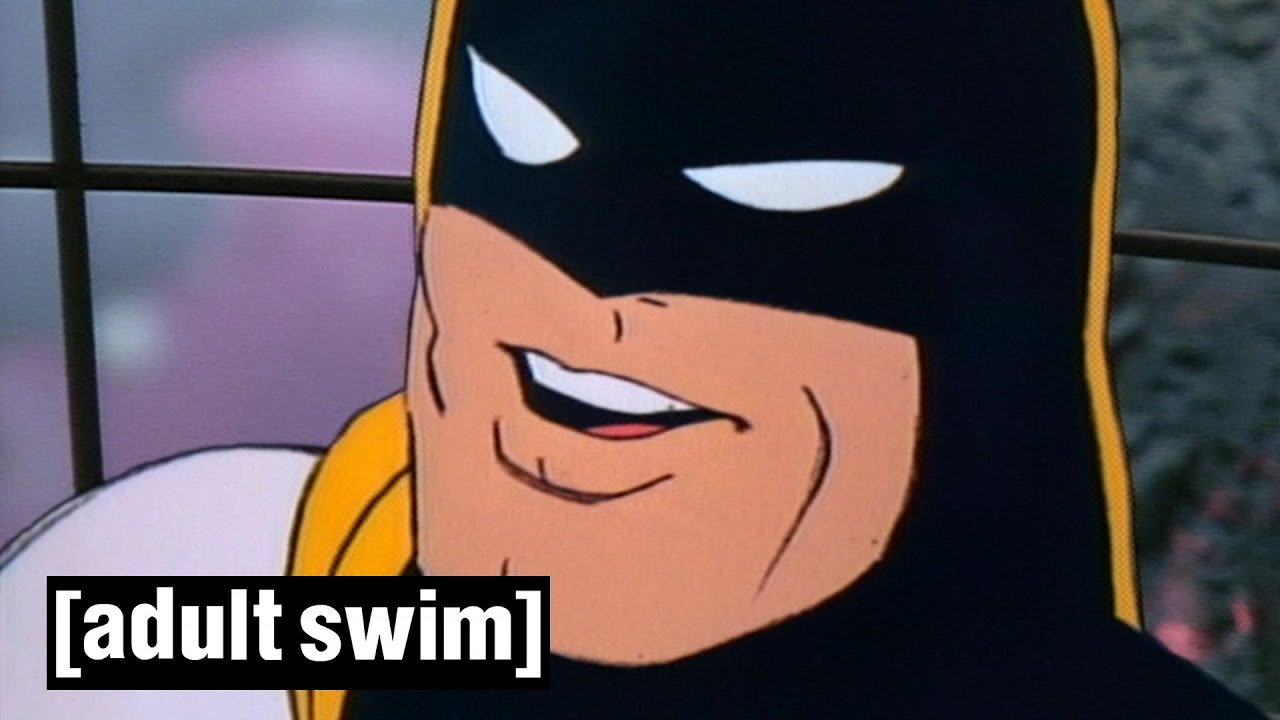
Space Ghost Coast to Coast
A 1960s Hanna-Barbera superhero, recycled into a late-night talk-show host who interviews real celebrities on a monitor and rarely understands their answers. Space Ghost Coast to Coast was one of Cartoon Network's first original series, the precursor to Adult Swim, and the reason a generation of teenagers stayed up past 11 on Friday nights.