Robbie Williams

Around the year 2000 he was one of the biggest pop stars on the planet — record-breaking EMI deal, 375,000 people at Knebworth — and Americans only half-knew who he was. The Take That bad boy turned solo megastar is the great transatlantic asterisk of the era: everywhere, except here.
Robbie Williams left Take That, Britain's biggest boy band, in July 1995 — the group disbanded seven months later, on his 22nd birthday — and the smart money said the cheeky one wouldn't last on his own. His debut album Life thru a Lens appeared in September 1997 to modest business until its fourth single changed everything: "Angels," released that December. It only reached number 4 in the UK, but it became his signature and his best-seller — more than a million copies sold there — and at the 2005 Brit Awards the British public voted it the best single of the previous 25 years.
What followed was one of the great imperial phases in British pop. "Millennium" gave him his first solo UK number one in 1998, and the albums kept arriving to enormous sales. In 2002 he signed a contract with EMI worth a reported £80 million — widely described at the time as the biggest music deal in British history. The summit came in August 2003 at Knebworth: three consecutive nights, 125,000 people each night, 375,000 in all — routinely called the biggest live music event the UK had ever staged.
And yet the United States never fell. Label pushes around "Millennium" (which stalled at #72 on the Hot 100) and the 2002 album Escapology failed to land, and the man selling out stadiums from Manchester to Melbourne could still walk down an American street unbothered. That asymmetry became part of his legend — the biggest star Americans only half-knew, familiar mostly from a Bond-spoof video on MTV and a few movie soundtracks.
His run cooled after 2006, but the numbers he put up — on the order of 75 million records sold worldwide — belong to a career Americans mostly experienced as a rumor. He eventually rejoined Take That for a stretch, kept touring the rest of the world, and remains pop music's most famous what-if for the US market.
Similar items

Millennium (Robbie Williams)
"We've got stars directing our fate" over sweeping James Bond strings — Robbie Williams' pre-2000 anthem gave him his first solo UK number one in September 1998. In America it was supposed to be his big breakthrough; it stalled at #72, which tells you the whole strange story of his career on this side of the Atlantic.
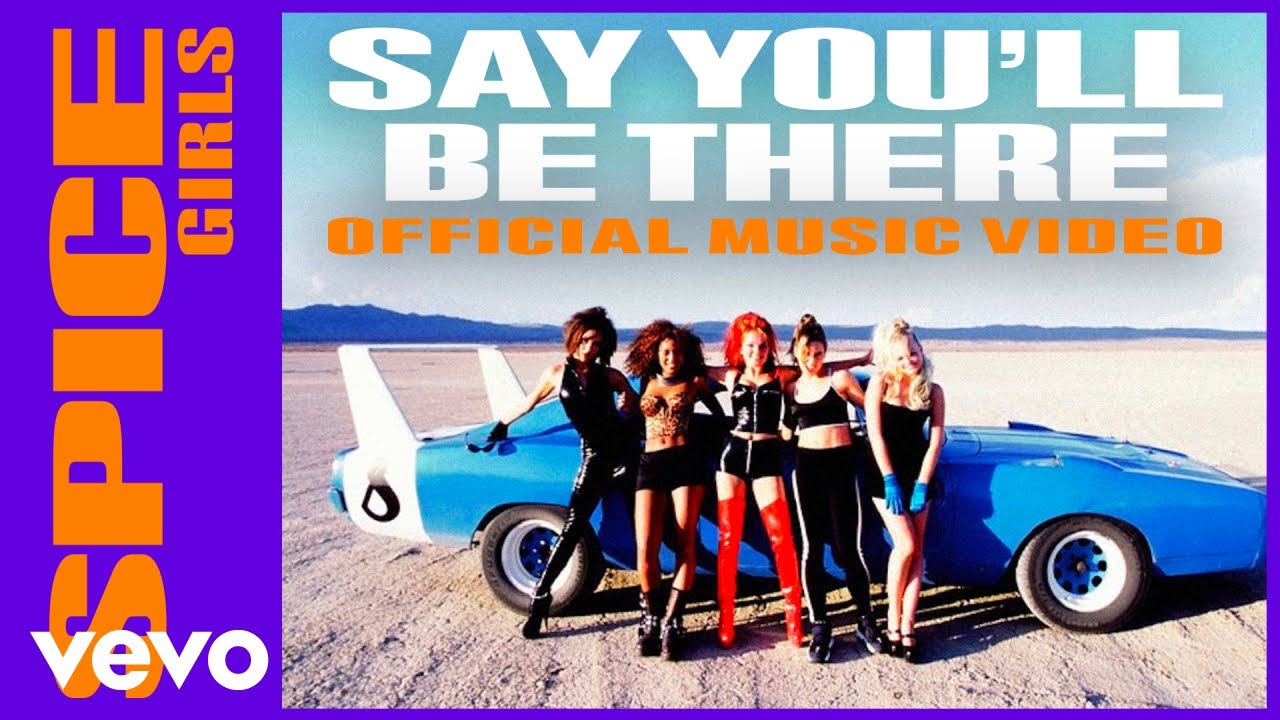
Spice Girls
"Wannabe," Girl Power, and five color-coded personas — Baby, Scary, Sporty, Ginger, and Posh — that turned a British pop group into a global phenomenon. Their faces sold everything from lunchboxes to soft drinks, and their debut became the best-selling album ever by a female group.
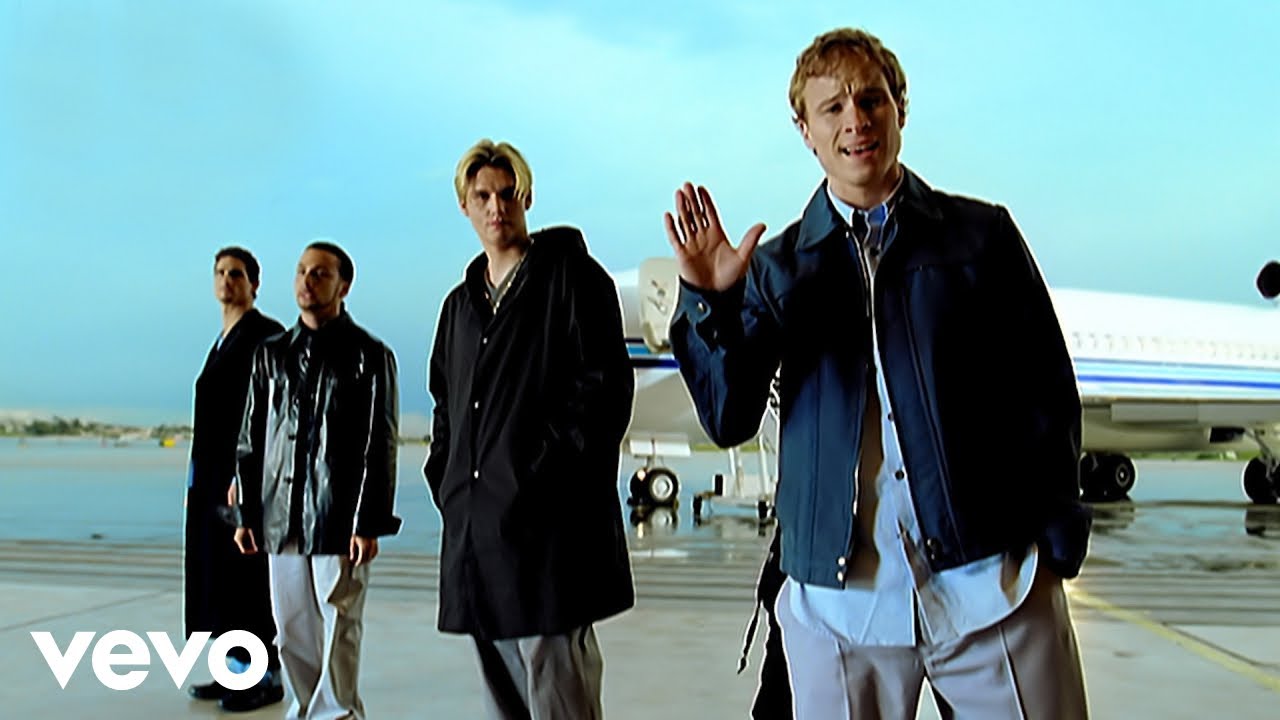
Backstreet Boys
Orlando's harmonizing five-piece formed the template for late-90s teen-pop dominance. The Backstreet Boys' matching choreography and Lou Pearlman's boy-band machinery made them a TRL staple, an arena-tour juggernaut, and the answer to every teen magazine's "Who's your favorite Backstreet Boy?" quiz.
LFO — "Summer Girls"
"I like girls that wear Abercrombie & Fitch..." — LFO's nonsense-couplet summer anthem rhymed Chinese food with Bruce Willis and somehow became the sound of 1999. New Kids on the Block, macaroni and cheese; it made no sense and everyone knew every word.