P!nk
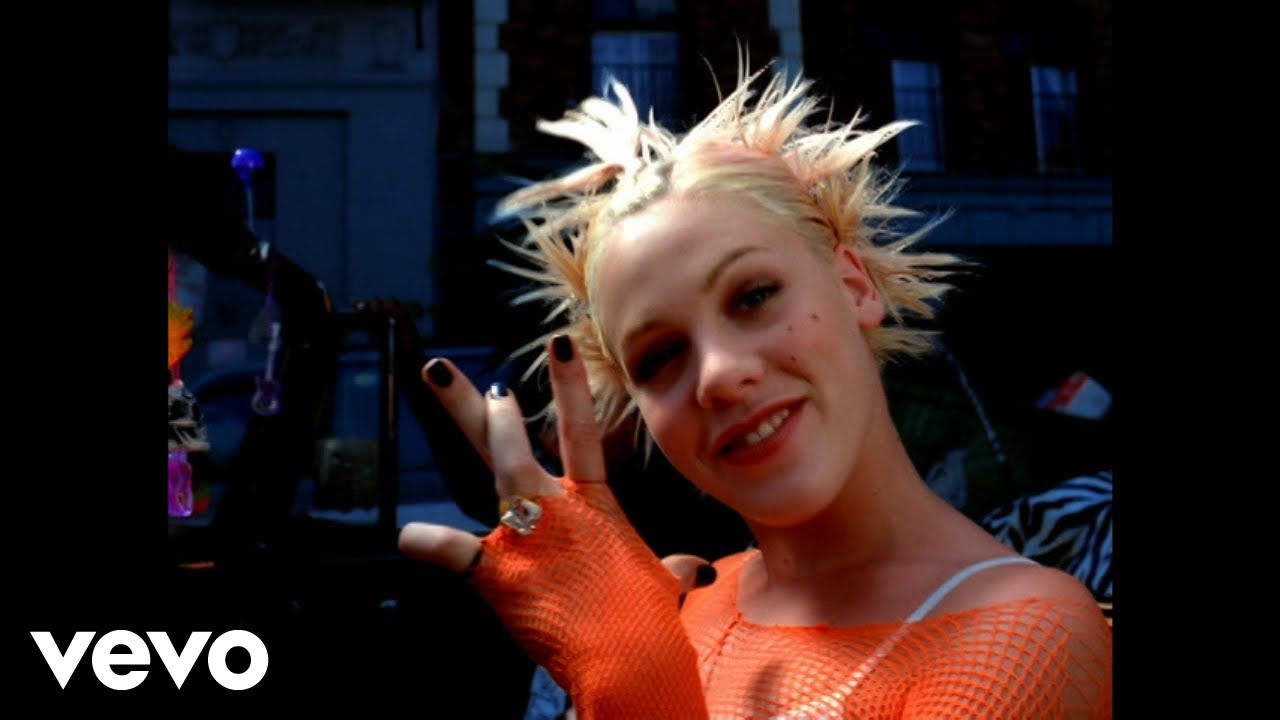
The raspy-voiced anti-pop-star of the TRL era — the one who mocked the pop machinery while beating it at its own game. Missundaztood sold 13 million copies on pure attitude, and "Get the Party Started" is still doing exactly what it promised.
Alecia Beth Moore was born September 8, 1979, in Doylestown, Pennsylvania, and was grinding early: at 15 she formed the R&B girl group Choice, which signed to LaFace Records in 1995 and dissolved in 1998 without a major release. She stayed on LaFace solo, and her debut Can't Take Me Home (April 2000) — an R&B record anchored by "There You Go" — went double platinum in the US and sold more than four million copies worldwide. In 2001 she joined Christina Aguilera, Mýa, and Lil' Kim on the "Lady Marmalade" cover for the Moulin Rouge! soundtrack; it topped thirteen charts around the world, including the US, and won her a first Grammy, for Best Pop Collaboration with Vocals.
Then she blew the whole plan up. Tired of being marketed as another cookie-cutter pop act, she seized creative control of her second album and recruited Linda Perry — the former 4 Non Blondes singer she'd idolized as a teenager. Missundaztood, released in November 2001 and named for her conviction that people had the wrong picture of her, became her best-seller ever: more than 13 million copies worldwide, the eighth best-selling album of 2002 globally, powered by "Get the Party Started," "Don't Let Me Get Me," "Just Like a Pill," and "Family Portrait." The pop girl who sneered at pop stardom outsold most of the pop stars.
Try This (2003) sold less but won her another Grammy, for Best Female Rock Vocal Performance, and the back half of the decade was the rebound: I'm Not Dead (2006) and Funhouse (2008) delivered Top 10 hits in "Who Knew" and "U + Ur Hand" and, in 2008, the US No. 1 "So What." She never stopped — the career kept climbing long past the decade, to more than 135 million records sold and three Grammys — but the 2000s run is the era this entry remembers: spiky hair, fishnet gloves, and the sound of a pop star refusing to behave.
Similar items
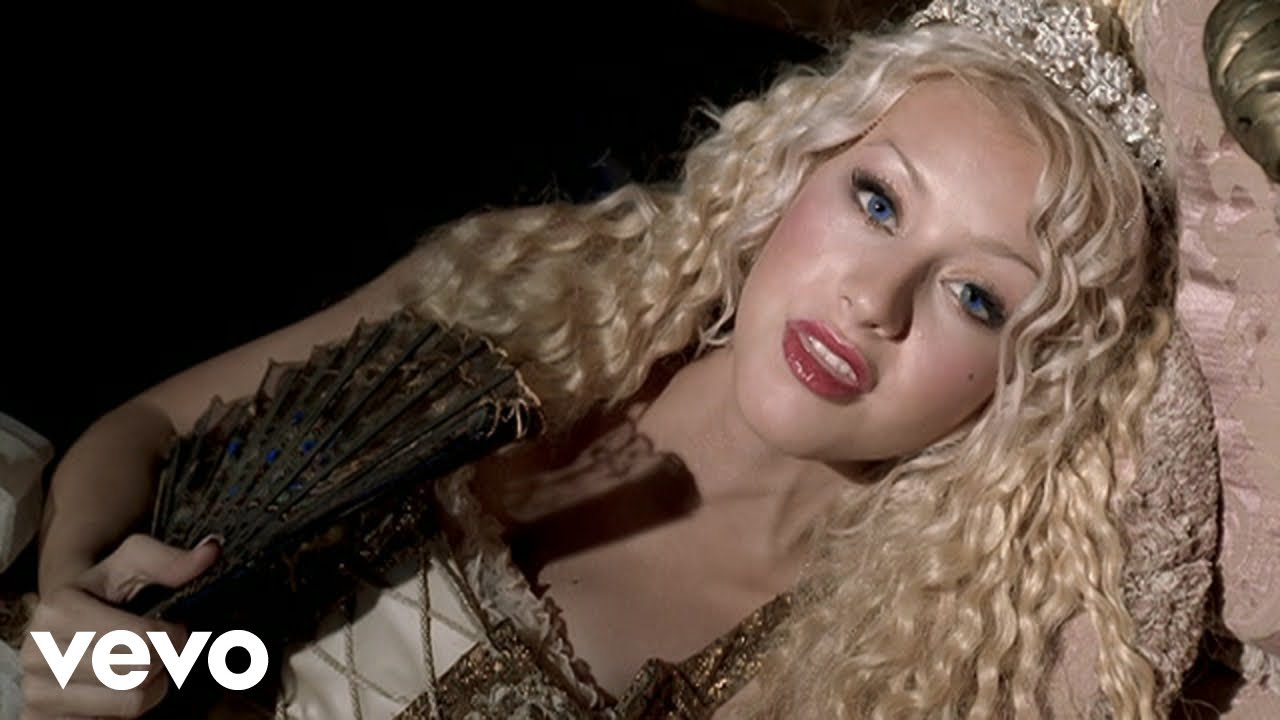
Christina Aguilera
The Mickey Mouse Club grad who became the 2000s' designated voice—every critic conceded she could really sing, which was the whole point of the rivalry with Britney Spears. She went from a 1999 debut that shipped ten million records to the leather-chaps reinvention of Stripped, proving she was more than a pretty face with pipes.
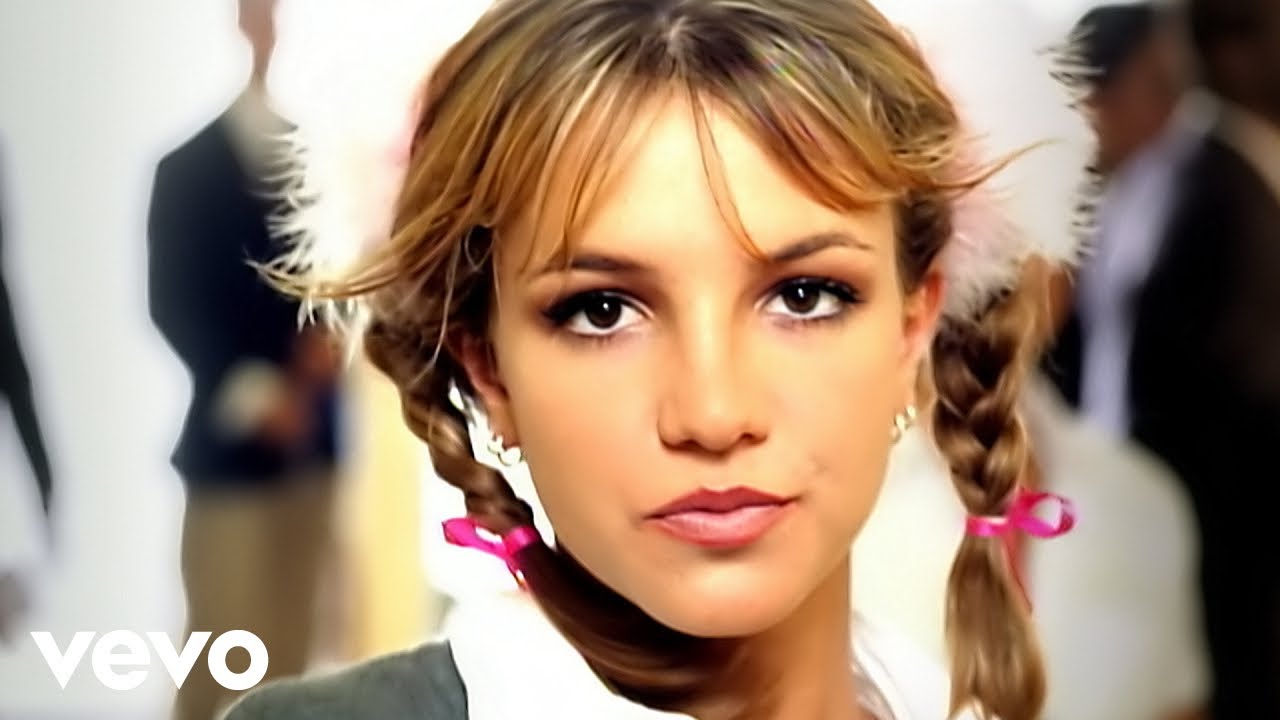
Britney Spears
A former Mickey Mouse Club kid whose debut single '...Baby One More Time' (September 1998) and January 1999 album catapulted her to megastardom as the defining pop voice of the millennium. TRL countdown staple, Rolling Stone covers, Pepsi deals, and cultural omnipresence through the early 2000s with 'Oops!... I Did It Again' (2000) and 'Toxic' (2003–04).
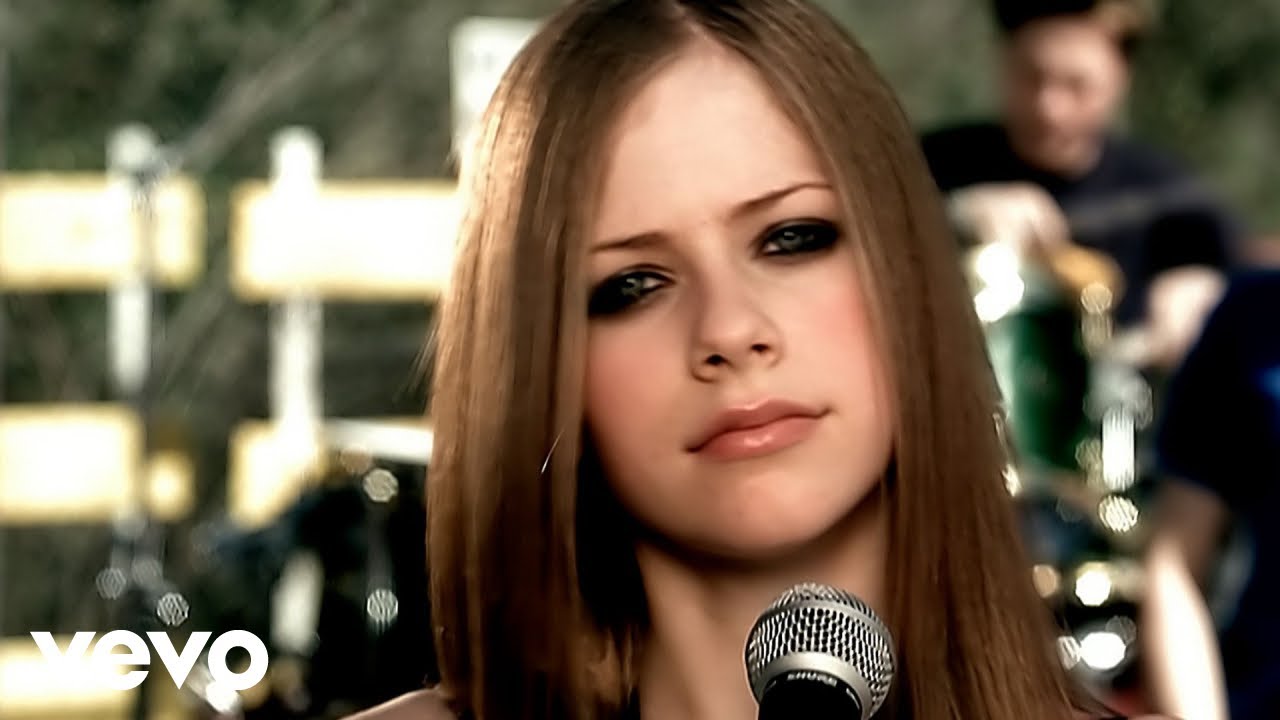
Avril Lavigne
The Canadian pop-punk singer who defined early-2000s teen rebellion with a necktie knotted over a tank top, chain wallets, and an I-don't-care-what-you-think attitude. Her 2002 debut Let Go crashed onto radio with "Complicated" and "Sk8er Boi"—instant anthems—and positioned her as the voice of a generation of mall-goers who wanted to be skaters but shopped at Abercrombie. Follow-ups Under My Skin and The Best Damn Thing kept her reign solid through 2007.
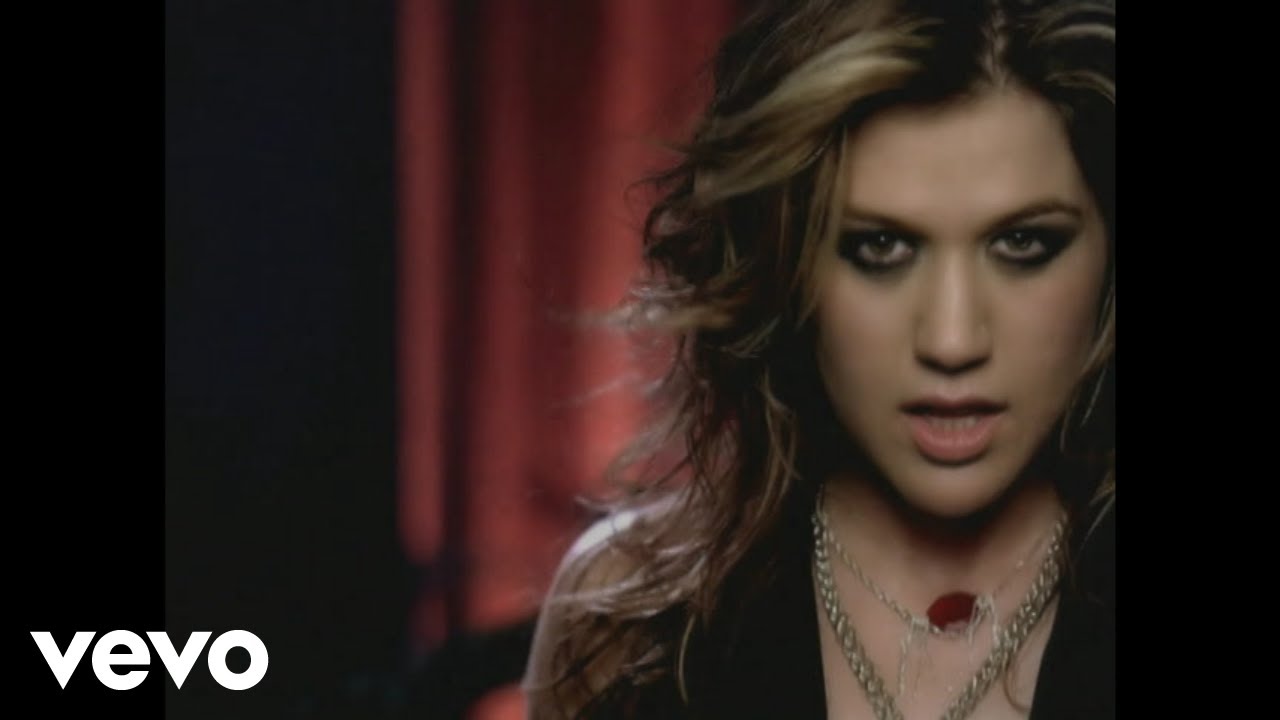
"Since U Been Gone" — Kelly Clarkson
The breakup-scream anthem of the 2000s. Kelly Clarkson needed an identity beyond American Idol; Max Martin and Dr. Luke handed her a pop-rock chorus that demanded everything a voice could give, and every car ride since has been a rehearsal.