Orange Streetlights

The amber glow of the sodium-vapor streetlight, the color of every 90s night: the street after the lights came on, the parking lot after the movie, the orange tint on the clouds over any city. It was 1960s technology, but it lit the whole decade, and the LED switch has been quietly erasing it since.
The light itself is a sodium-vapor lamp. Low-pressure sodium lamps, which glow an almost pure yellow, were made practical around 1920, but the streetlight most Americans remember is the high-pressure version: General Electric worked out a translucent alumina tube that could survive hot sodium vapor in the early 1960s, and the first commercial high-pressure sodium lamps went on sale in 1965. They were remarkably efficient, about a hundred lumens per watt, which mattered enormously in the energy-shocked 1970s. Cities tore out their blue-white mercury-vapor lights and put up sodium by the hundred thousand: New York in the 70s, Chicago with some 270,000 of them from the same decade. People hated it at first. Chicago residents wrote in to complain of a prison-yard look and an eerie, ominous cast to the streets.
Then a generation grew up under it and it became the color of night. If you were a kid in the 90s, the orange lights coming on was the signal to go home, and everything that happened after that, the walk back from a friend's house, the drive-through, the mall parking lot, the first time out past curfew, happened in that amber. Sodium light flattens color, so a red car and a green car looked the same shade of brown, and where a city lit itself with sodium the clouds overhead glowed orange. It is the color of thirty years of night scenes shot on American streets, which is why the 90s look the way they do on screen.
The LED took it away one neighborhood at a time. Los Angeles began converting its streetlights in 2009 and had 98 percent of its roads on LED by 2022; New York started a pilot the same year and by 2017 was replacing the orange with what one magazine called piercing white in place of the jaundice hue New Yorkers had known for forty years; Chicago began with 81,000 arterial lamps in 2017. LEDs are cheaper to run and last longer, and the early ones ran a harsh, cold white that cities have since warmed a little. Philips built its last low-pressure sodium lamp on the last day of 2019. The orange survives in pockets, on old highway ramps and in towns that have not gotten around to it, and in the strange feeling of driving into one and being, briefly, back in 1996.
Similar items
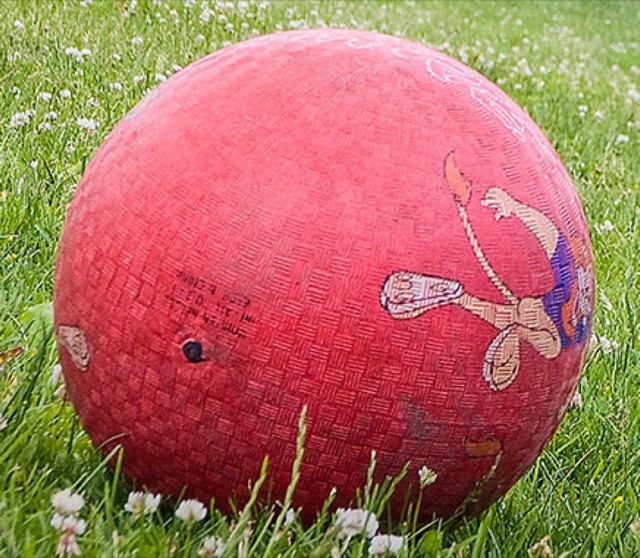
Kickball
The great equalizer of elementary recess: a big red rubber ball, a diamond scuffed into the grass, and a game of baseball you played with your feet. The same ball did double duty for four-square and dodgeball.
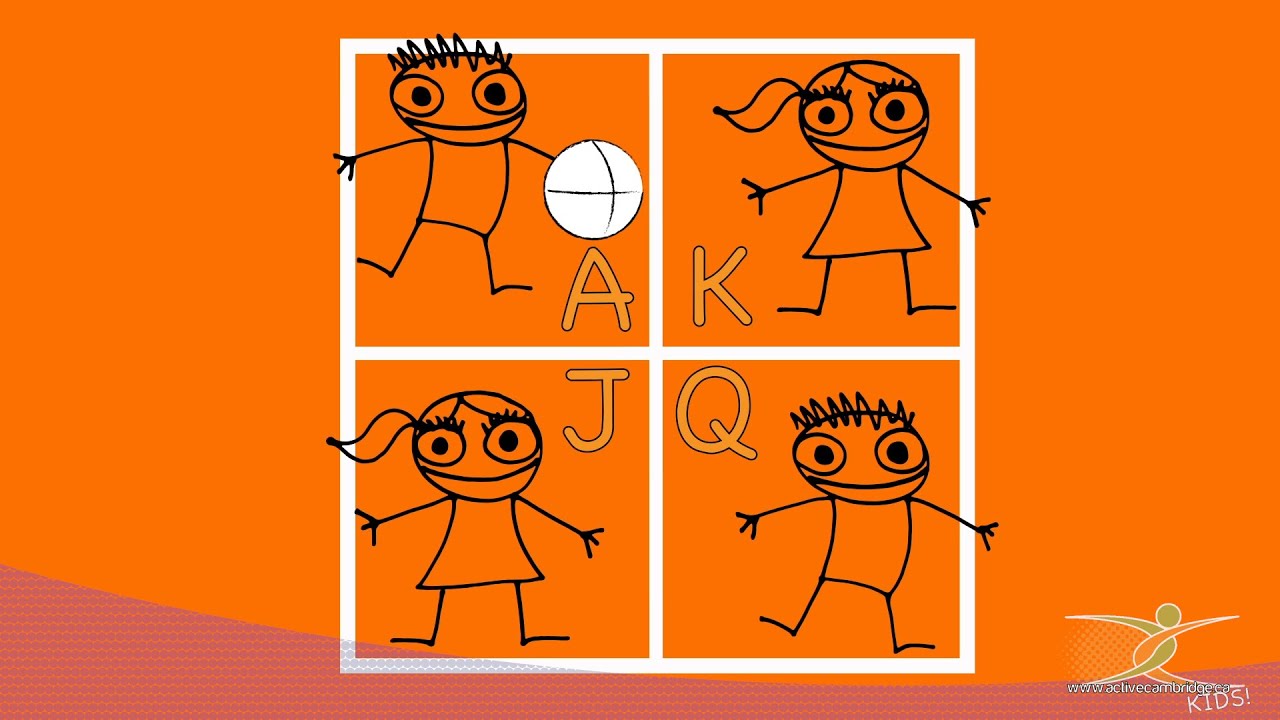
Four Square
The recess court painted in four big squares, ruled by whoever held the top square and whatever house rules they felt like declaring that day. Bounce the rubber ball into someone else's square, they had to hit it on before it bounced twice, and one blown return sent you to the back of the line while everybody moved up.

Super Soaker
Engineer Lonnie Johnson's pump-action water blaster that transformed backyard warfare from squirt guns to soaked supremacy. The Super Soaker could drench opponents from across a yard and hold enough water for extended campaigns, making it the must-have weapon of every 1990s summer.
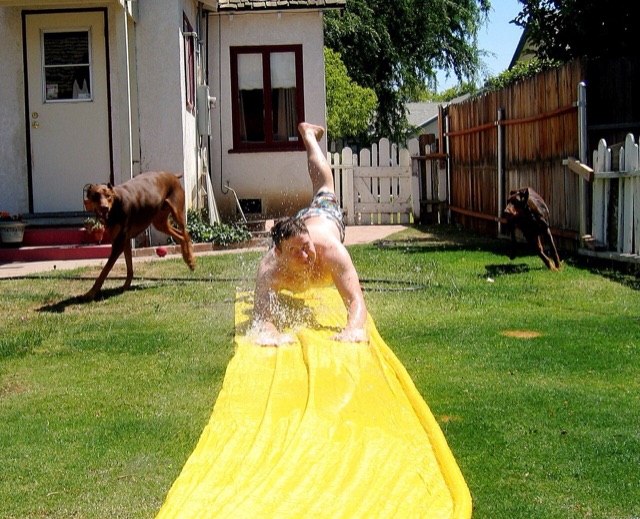
Slip 'N Slide
A strip of yellow plastic laid out on the grass with a garden hose attached — the simplest recipe for a perfect summer afternoon. You ran, you flew, you belly-flopped into grass and chlorine-smelling joy, and by August it had worn through entirely.