"Move Ya Body" by Nina Sky

Twin sisters from Astoria, Queens, singing over the Coolie Dance riddim's bongo loop, with a bridge lifted from Lisa Lisa and Cult Jam, in the summer when every block party in America was running on dancehall. It went to No. 4 on the Hot 100 in 2004 and remains the only single of their own to crack the top 40.
Nicole and Natalie Albino were born in Puerto Rico on March 13, 1986, and grew up in the Marine Terrace section of Astoria, Queens, with a stepfather who worked as a DJ. Natalie had been writing songs since she was seven and Nicole DJing since she was 12. As teenagers they signed with a production team called the Jettsonz, and the Jettsonz introduced them to Cipha Sounds, the Hot 97 DJ who was also doing A&R for the Neptunes' Star Trak label. He heard them sing and suggested they write something over the "Coolie Dance" riddim, the bongo-driven rhythm that dancehall artists were riding at the time. "My goal was to get their name out," he said. The twins wrote "Move Ya Body" in response and cut a demo; Cipha's other idea was a bridge that sings the title of Lisa Lisa and Cult Jam's 1985 freestyle classic "Can You Feel the Beat," an homage the sisters took personally. "We're two girls from Queens," Nicole said of it. "It's in our blood."
Cipha played the record on the radio and pressed it on vinyl for other DJs, and the response landed the duo a deal with Next Plateau, a Universal subsidiary, which released the single in April 2004 with a guest toast from the dancehall DJ Jabba. Urban and rhythmic stations added it fast. It peaked at No. 4 on the Billboard Hot 100, finished the year at No. 22 on the year-end chart, reached No. 6 in Britain and went gold in both countries, and Pitchfork ranked it the 29th-best song of 2004. The label needed an album in a hurry; Natalie recalled being told they had a month, and the self-titled Nina Sky came out that June.
The twins stayed close to the moment's Latin-Caribbean wave, guesting on N.O.R.E.'s reggaeton anthem "Oye Mi Canto," but their own follow-up "Turnin' Me On" got little label support and missed the Hot 100. Creative disagreements ended the Next Plateau deal in 2007, a Sony contract through Polo Grounds stalled over a planned single, and in 2010 they went public asking fans to pressure the label. Their second proper album, Nicole and Natalie, arrived independently in 2012, eight years after the first. "Move Ya Body" itself has never left: its Coolie Dance loop has been sampled many times since, and it remains the song that gets a room on its feet before anyone remembers who sang it.
Similar items
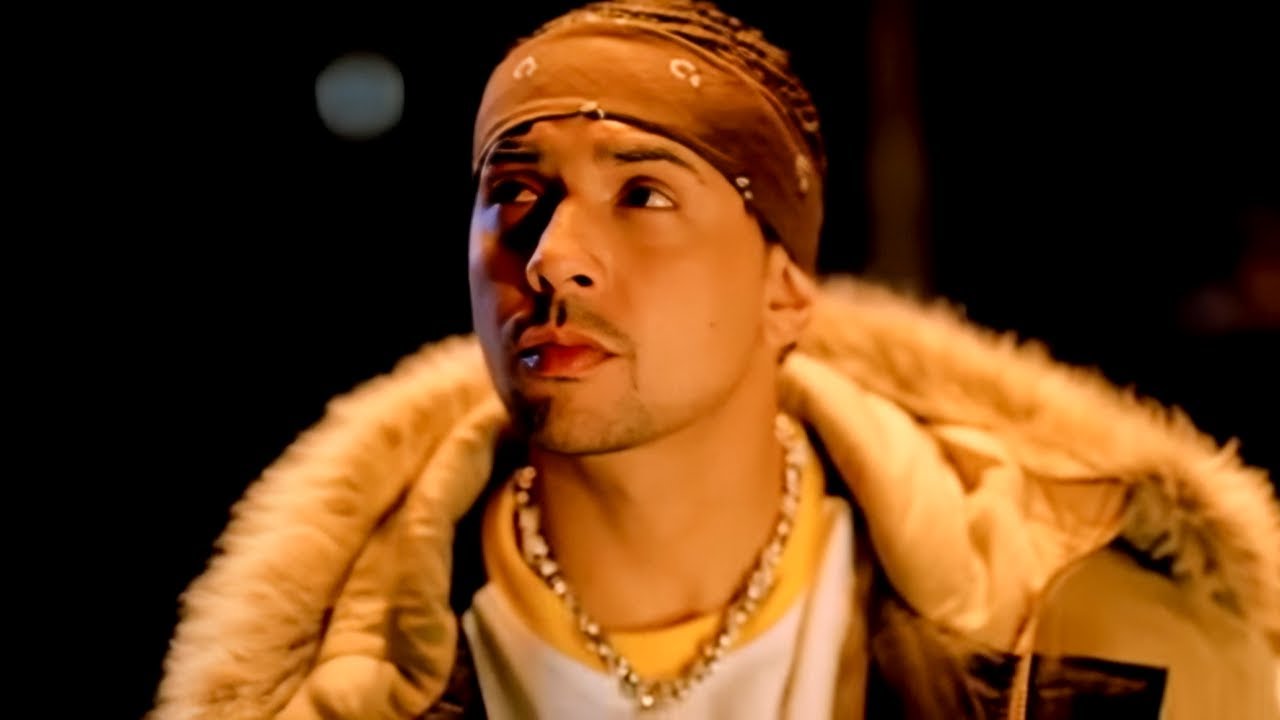
Sean Paul
The Jamaican dancehall artist who put Kingston rhythms and patois on top of American pop radio. Sean Paul turned reggae into a staple of every club and school dance for five years straight: three number-one hits (one of them a Beyoncé collab), a Grammy, the sound of the mid-2000s.

"Gasolina" by Daddy Yankee
Daddy Yankee's reggaeton anthem that went global, a top-10 hit across Europe that opened the door for an entire genre to break into the mainstream. "Dame más gasolina" became a rallying cry at every school dance, party, and car window of 2004–2005.

Chicken Noodle Soup
Let it rain, and clear it out. "Chicken Noodle Soup" rode a Harlem dance from the block to grainy YouTube uploads to the Billboard charts — part of the first wave of dance crazes the internet taught America.
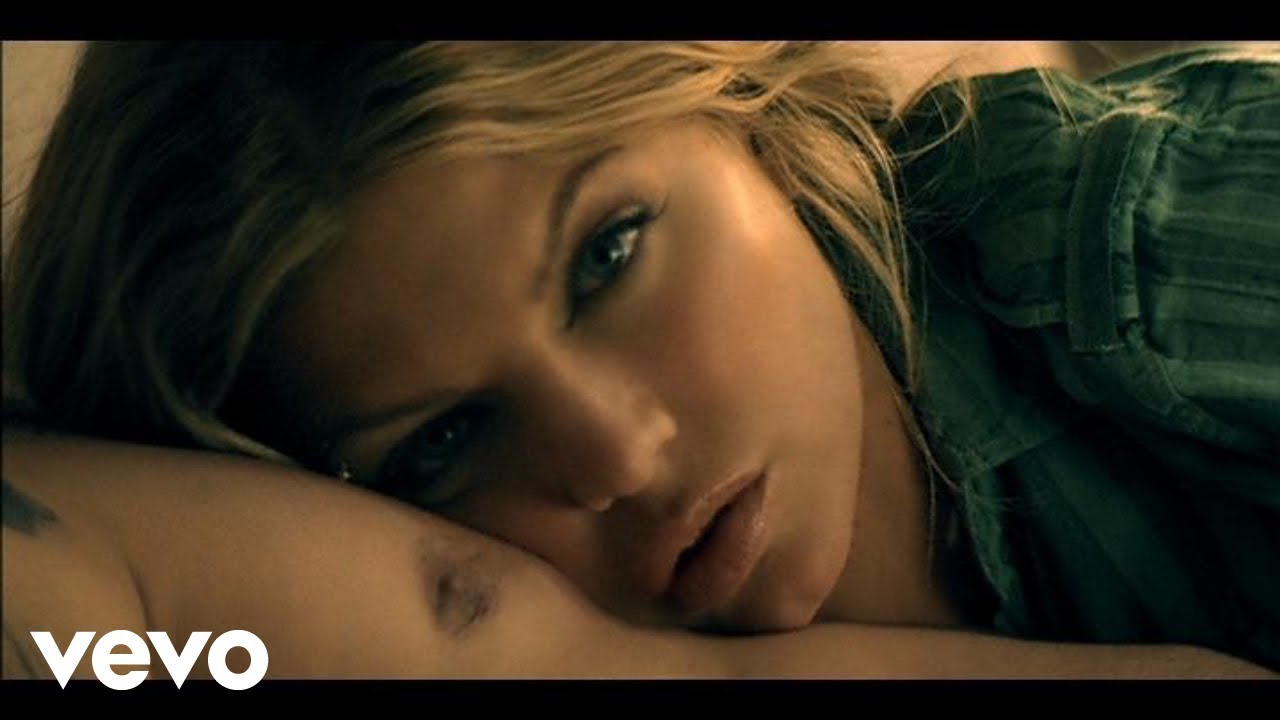
Fergie
Stacy Ann Ferguson went from Saturday-morning TV to the voice that powered the Black Eyed Peas' commercial earthquake, then walked straight into solo stardom in 2006. "London Bridge," "Glamorous," "Big Girls Don't Cry" — three Hot 100 chart-toppers off one album — sewed her into the fabric of 2000s pop.