Line Dancing

Rows of strangers in boots doing the same grapevine at the same time. In 1992 a record label's marketing stunt for "Achy Breaky Heart" and a Brooks & Dunn B-side turned country-bar line dancing into a national craze, and for a few years every country bar, wedding reception, and hotel lounge seemed to have a floor full of people counting steps.
Line dancing is older than the craze. Music historian Christy Lane has said that asking ten people when it began gets you ten answers: the Madison was being danced in Columbus, Ohio, in 1957, disco added the Bus Stop and the Nutbush in the 1970s, the Electric Slide's creator dates it to 1976, and after the 1980 film Urban Cowboy more than a dozen line dances were set to country songs during the '80s. What changed in 1992 was that a record company decided to sell one.
The song was "Achy Breaky Heart," a two-chord number Billy Ray Cyrus released as his debut single in 1992. Nashville choreographer Melanie Greenwood built a 29-step routine of grapevines, hip wiggles, and pivots, and Mercury shipped an instructional video to about thirty country clubs a month before the music video reached CMT, then pushed dance classes and contests at bars. Newsweek, that June, called the dance "a marketing tool for Billy Ray Cyrus" and reported that "it clicked"; by July a hotel manager near Baltimore hosting lessons told the Baltimore Sun, "It's a phenomenon," and that October a CBC report declared "Achy Breaky dance fever" to be sweeping North America. The song hit number four on the Hot 100, and the video is still credited with carrying line dancing into the mainstream, even as VH1 later ranked the record the second most awesomely bad song ever.
Brooks & Dunn's "Boot Scootin' Boogie," a tribute to the floor of a Texas honky-tonk, was the other engine. Choreographer Bill Bader had already set a dance to the 1990 Asleep at the Wheel original, and the duo's 1992 cover spawned at least sixteen line dances carrying the title. Staples like the Tush Push filled out the night, the Macarena brought its own line dance mid-decade, and by 1999 Gap was selling khakis with a line-dance commercial during the Oscars.
The mid-'90s country boom was shaped by it; the music itself bent toward the dance floor. The craze faded, but the Electric Slide, and later the Cha Cha Slide, kept the form alive at wedding receptions, and the grapevine never really left.
Similar items
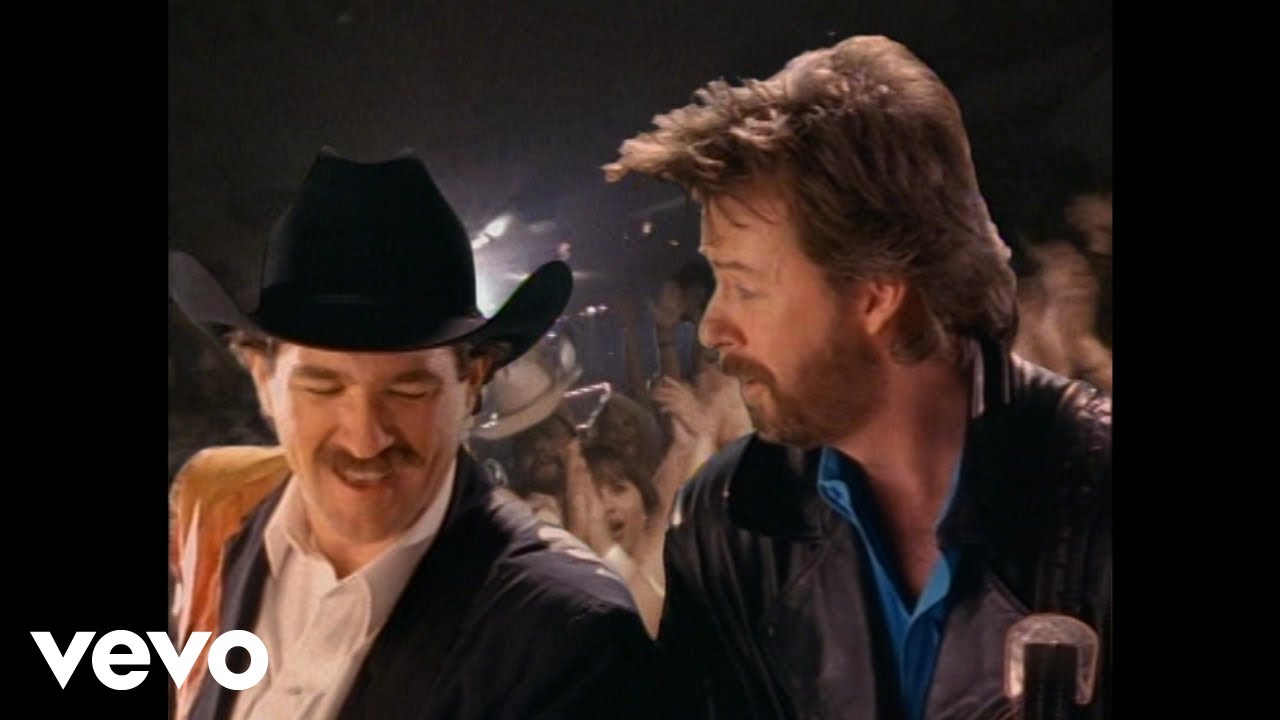
Brooks & Dunn
The duo that put the boogie in every boot-scootin' bar of the '90s. Kix Brooks and Ronnie Dunn were paired by a record executive in 1988, sent their first four singles to number one, and turned "Boot Scootin' Boogie" into the song that dragged line dancing back onto America's dance floors.

Macarena
A Spanish song that somehow became the most inescapable earworm of 1996 — that one dance every kid learned: arms out, hips swaying, the synchronized turn. It played at every wedding, school dance, and ballpark in America.
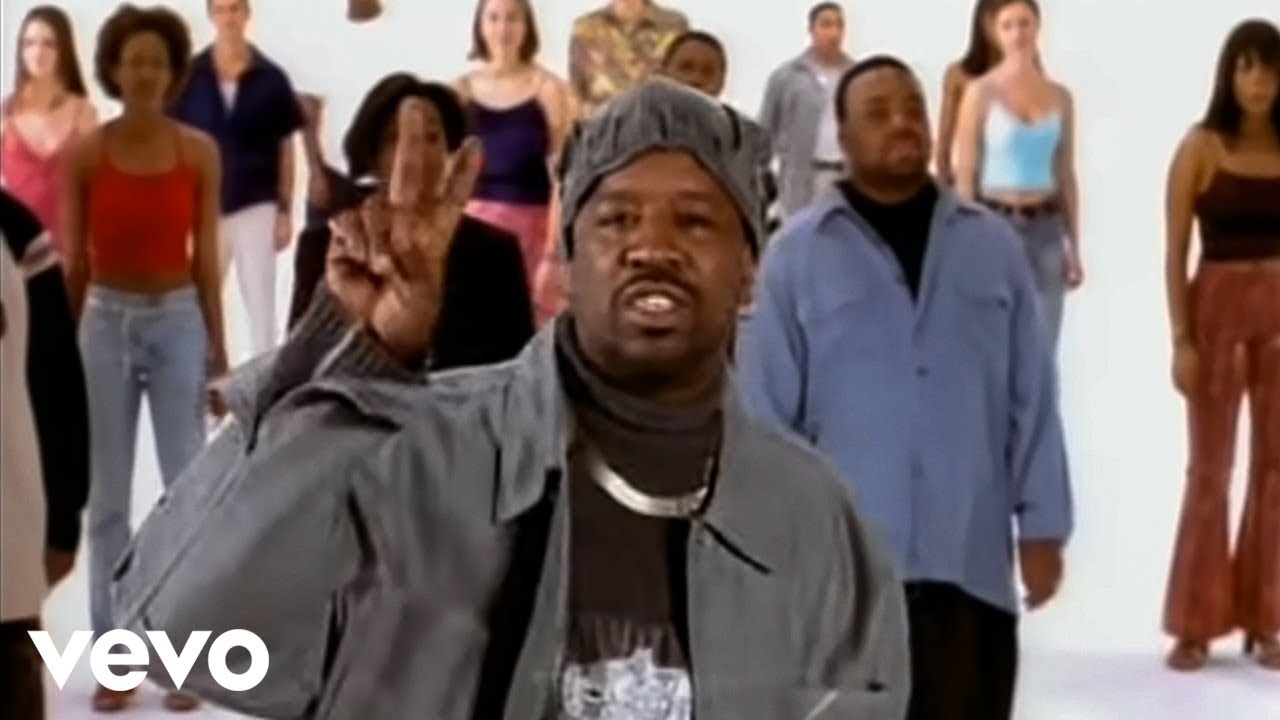
Cha Cha Slide
A song that came with built-in instructions. Chicago's DJ Casper wrote the routine as an aerobics exercise for his nephew in 1998; the 2000 release hit radio and never left. It didn't need to be a big chart hit — it became the one dance every wedding, school event, and skating rink could count on, because the song tells you exactly what to move.

Cotton Eye Joe
A Swedish Eurodance group took an American folk tune older than the Civil War, bolted a banjo and a fiddle onto a techno beat, and produced the song that still triggers a stampede at every school dance, skating rink and wedding reception. "Cotton Eye Joe" hit number one in at least 11 countries — and its producer has since admitted the group knew almost nothing about the culture it was dressing up as.