Life Savers Sweet Storybook

The cardboard book that opened like a storybook to reveal two pages of Life Savers rolls, the one stocking stuffer that was there every single Christmas. It has been around since 1935, but the 90s book, fat with Butter Rum and Wild Cherry beside the Five Flavor rolls, is the one most people picture.
Life Savers were invented in 1912 by Clarence Crane, an Ohio candy maker looking for a summer sweet that would not melt like chocolate, and sold the next year to Edward Noble for $2,900. Noble put the mints in foil rolls and stacked them beside the cash register in drugstores and cigar shops, and the fruit-flavored Five Flavor roll arrived in 1935. That same year the company introduced the Sweet Storybook: a folded cardboard book that opened to a spread of Life Savers rolls lined up inside like rows of text. The oldest books held as many as a dozen rolls; later ones ten, five to a side, in a real variety of flavors.
For a 90s kid the storybook was less a product than a fixture. One 1989 book carried a $1.49 drugstore price tag, it fit perfectly in the toe of a stocking, and it turned up under the tree from grandparents, teachers and Secret Santas every year. A 1989 edition mixed Five Flavor rolls with Butter Rum, Wild Cherry and Sunshine Fruits; other years brought Wint-O-Green, Butterscotch and Tropical Fruit, and some editions came with a small bonus attached, from a sample Little Golden Book to a tree ornament. Part of the ritual was the sorting: trading away the butterscotch, hoarding the cherry, and reading the little book part exactly once.
The brand changed hands underneath it, from Beech-Nut to Squibb to Nabisco in 1981, and eventually to Wrigley and Mars, and the book kept coming while it shrank. The count kept dropping, to eight rolls and then six, and the flavor mix narrowed until only Five Flavor was left. Collectors trade the old ones online, a 2022 petition asked Mars Wrigley to bring the bigger book back, and Mars Canada dropped it entirely in 2023. The American version still shows up every December, thinner than you remember, and still the first thing out of the stocking.
Similar items
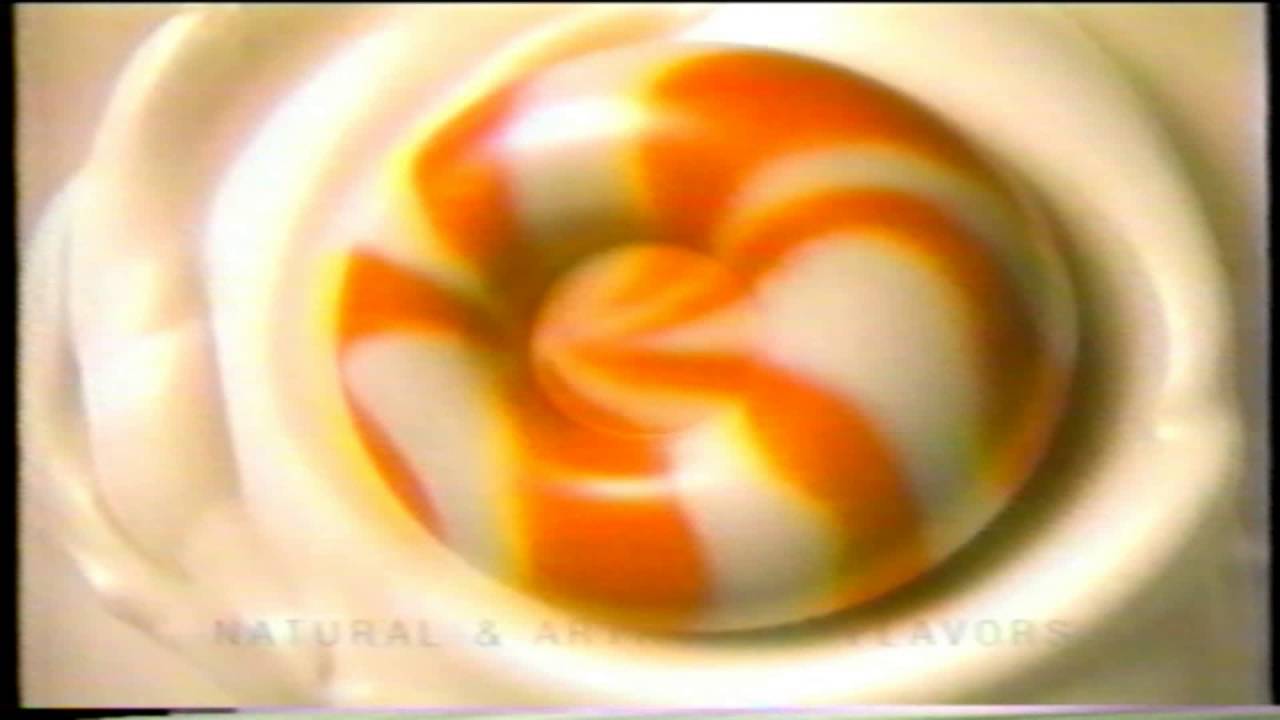
Creme Savers
The swirled hard candy that paired fruit with cream — and ruled checkout lanes and grandmas' purses from the late '90s into the 2000s. Strawberries & Creme was the icon, its red-and-cream spiral instantly recognizable. Discontinued in 2011, mourned for a decade, and back on shelves since 2021.

Ring Pop
The giant faceted candy gem you wore on your finger all recess — jewelry you were allowed to lick. Invented to break one kid's thumb-sucking habit, it became the engagement ring of every 90s playground.

Push Pop
The lollipop you didn't have to finish: push it up, lick it sticky, cap it, and slide it back into your pocket for third period. Topps' retractable candy cylinder was half treat, half gadget — and the cap made it feel like contraband you were licensed to carry.
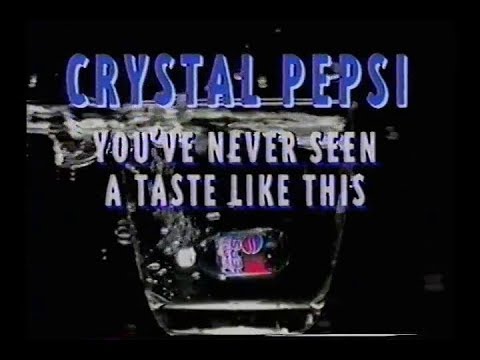
Crystal Pepsi
The clear cola that tasted like 90s optimism and regret mixed together. Crystal Pepsi was caffeine-free, marketed on a fever dream of purity, and backed by a Super Bowl ad that tried desperately to make it cool.