Flying Gliders

The snap-together plane you never bought: it came out of a goody bag, an arcade prize counter, or the dentist's drawer. The foam ones say POWER PROP on the package, next to a little propeller logo — a brand nearly everyone held and almost nobody can name.
There are two of these, and they are not the same toy. The older one is balsa: thin sheets of wood you punched out and slotted together, sold off a rack because someone walked in to buy it. The other is foam, printed with WWII fighter markings, and it mostly arrived free — a party favor, a redemption prize, a reward for sitting still at the dentist.
The balsa one has a company behind it. Paul K. Guillow, a World War I naval aviator who came home from Europe with a love of flight, set up in a family barn in Wakefield, Massachusetts, in 1926 under the name NuCraft Toys. It did not start with gliders: riding the aviation craze that followed Lindbergh's 1927 flight, its first products were a card game, The Lindy Flying Game, and a board game, Crash: The New Airplane Game. The planes came later and never stopped. By 1933 the business had moved out of the barn and taken his name; when Paul died in 1951 his widow Gertrude ran it; in the 1990s it bought up competitors including Tiger, Inc. of Los Angeles and Comet of Chicago. Guillow's turned a hundred in 2026 and still sells foam gliders of its own — the Patriot and the Falcon — but those are big hobby gliders with a price on them, not the thing in the party bag.
The foam one has something stranger: a name, but no official history. The packages read "Flying Gliders" beside a small propeller logo and the words POWER PROP, in red-and-blue or red-and-yellow bags, with the aircraft listed by number on the back. Collectors — who are the only people who ever wrote any of this down — credit the originals to Imperial Toy Corporation, the Los Angeles novelty house founded in 1969 by Fred Kort and Arnie Rubin and better known for Miracle Bubbles, and they identify a genuine bag by the Imperial logo printed on it. Other packages carry other names entirely, Couswell or Shen Shin; the planes were made at different times in Japan, in China, in Taiwan. Nobody has ever published a corporate history of the line.
What exists instead is a small, obsessive amateur archive. Because the good ones got copied, collectors sort real from counterfeit by the logo, argue over which bag came first, and catalogue the packaging's own mistakes — the numbering doesn't even agree with itself, the same plane turning up as two different numbers. That is the whole record: no founding date, no press, no company anniversary — just the people who kept the bags, reverse-engineering a toy that was cheap enough to hand out by the dozen and was mostly thrown away by dinnertime.
Similar items

Goody Bags
The sack of cheap toys and candy handed to kids at the end of a birthday party—the actual payoff for showing up. Every parent assembled them; every kid tore through them.
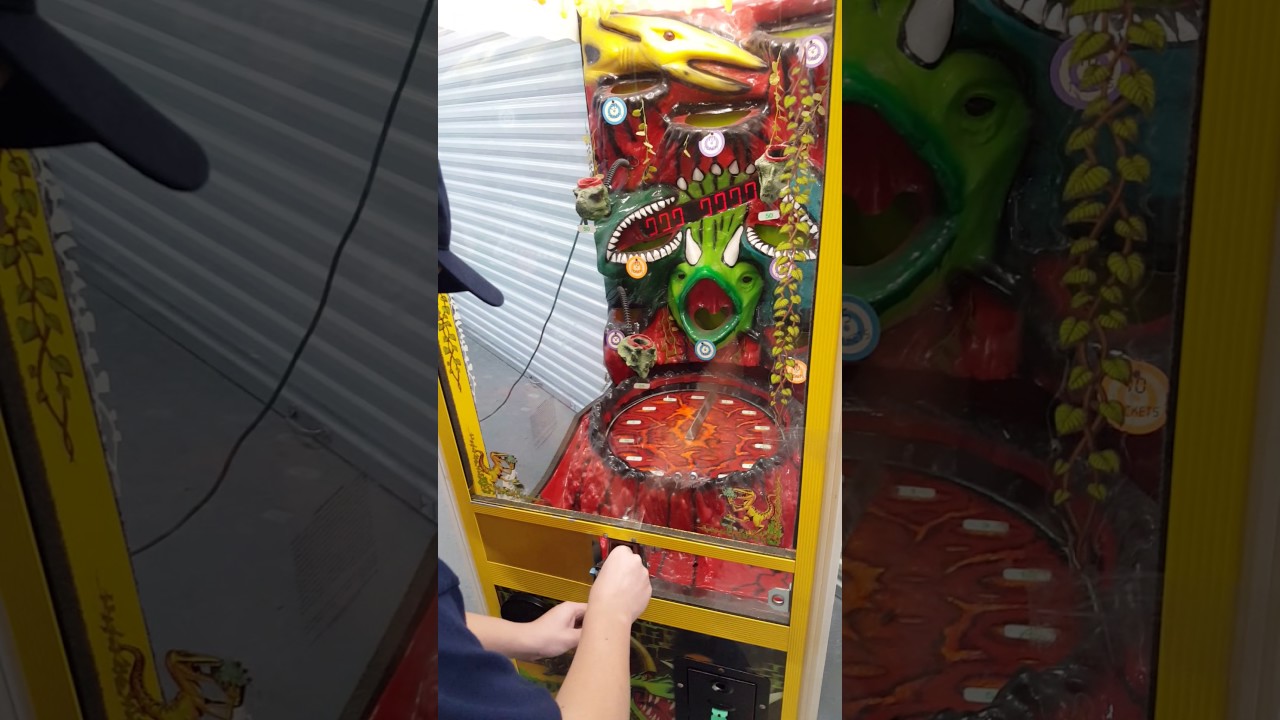
Arcade Redemption Games
Drop in a token, play a game of skill, and win a stream of paper tickets — then trade the crumpled wad at the glass prize counter for cheap plastic junk. Rock 'N Bowl, Skee-Ball, Wheel 'Em In, Dinoscore: the ticket-frenzy floor of every '90s arcade.
![Video thumbnail — Groan tube sfx [1 Hour]](https://i.ytimg.com/vi/VxoK96OLUpM/hqdefault.jpg)
Groan Tubes
The neon plastic tube that let out a long, mournful groan every time you tipped it over. A birthday goody-bag and pizza-party staple — flip it end over end and the sound came from a weighted reed sliding down inside.

Silly String
You remember the neon strings everywhere — tangled in your Halloween costume, coating the sidewalk, streaking across your friends' faces at birthday parties. Silly String was the anarchic aerosol kids grabbed by the handful because adults couldn't really stop them. Born from a failed medical invention, it became the unofficial sound of Halloween mayhem in the '90s and 2000s — until one city decided enough was enough.