The Emperor's New Groove
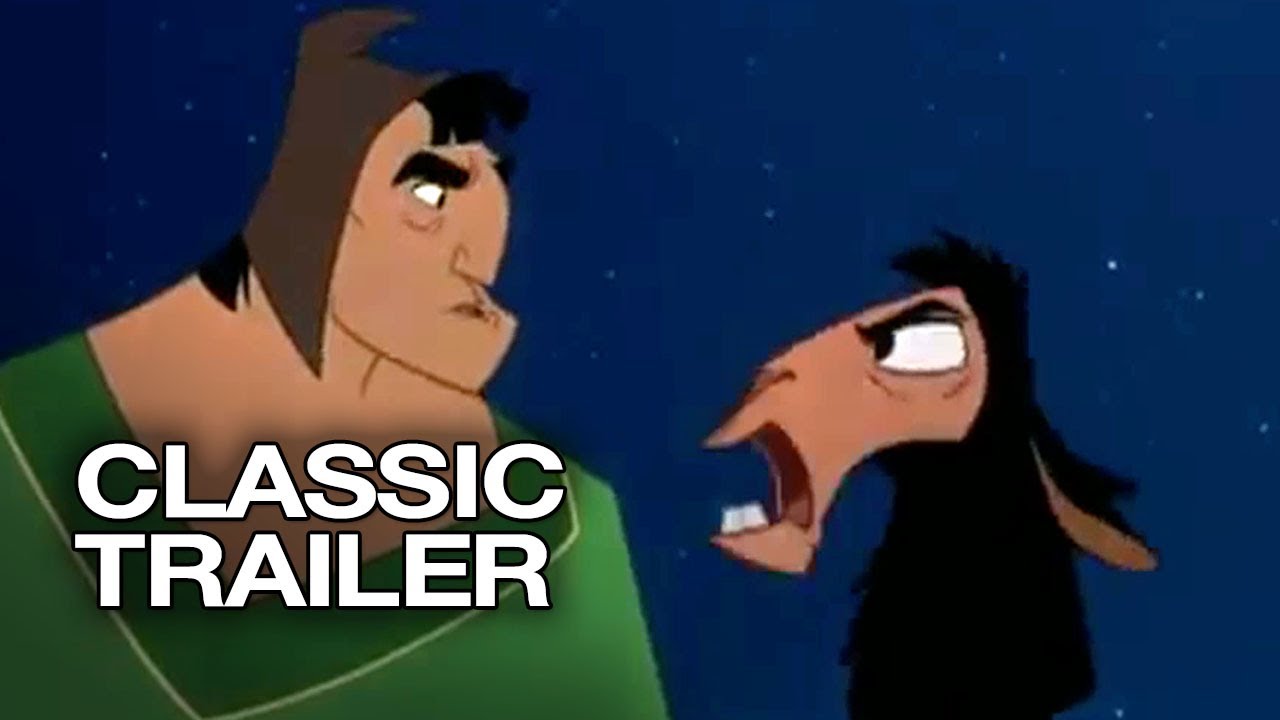
A spoiled Incan emperor gets turned into a llama by his scheming ex-advisor and her dim, kind-hearted henchman — and has to trek home with the village leader whose home he planned to bulldoze. A box-office underperformer that became one of Disney's most beloved cult comedies.
The Emperor's New Groove began life in 1994 as Kingdom of the Sun, a lavish musical epic directed by Roger Allers (fresh off The Lion King) with songs by Sting. It was supposed to be a prestige picture. Then came poor test screenings, creative clashes, and a slipping schedule; Allers departed, and the project was rebuilt into a lighthearted, Chuck Jones-style comedy across six years of development. The 2002 documentary The Sweatbox captured the behind-the-scenes chaos in unflinching detail.
When the film finally opened in December 2000, directed by Mark Dindal, it starred David Spade as the emperor-turned-llama Kuzco, John Goodman as the gentle village leader Pacha, Eartha Kitt as the scheming Yzma, and Patrick Warburton as Kronk — the henchman whose conscience argues with him via a shoulder angel and devil. The movie landed as a weird, fast, genuinely funny adventure, but it underperformed next to Disney's 1990s hits, grossing about $169 million on a $100 million budget.
What nobody predicted was the second life. The Emperor's New Groove became Disney's best-selling home-video release of 2001 in the US and grew a fervent cult following — the absurdist gags and Kronk's innocent weirdness turned out to be endlessly rewatchable, and the film kept finding new fans long after theaters moved on. It earned an Oscar nomination for Best Original Song (Sting's "My Funny Friend and Me," which lost to Bob Dylan's "Things Have Changed") and spawned a direct-to-video sequel, Kronk's New Groove, in 2005 and the Disney Channel series The Emperor's New School (2006–2008). The trainwreck became a treasure.
Similar items

Lilo & Stitch
A lonely girl named Lilo adopts what she thinks is a small dog in Hawaii — it's actually Experiment 626, an alien on the run — and their chaotic, heartwarming bond redefines what family means. Disney went back to watercolor-painted backgrounds for the first time since the 1940s, Elvis Presley's music soundtracked the tropics, and the core message stuck with a generation: Ohana means family, and family means nobody gets left behind.
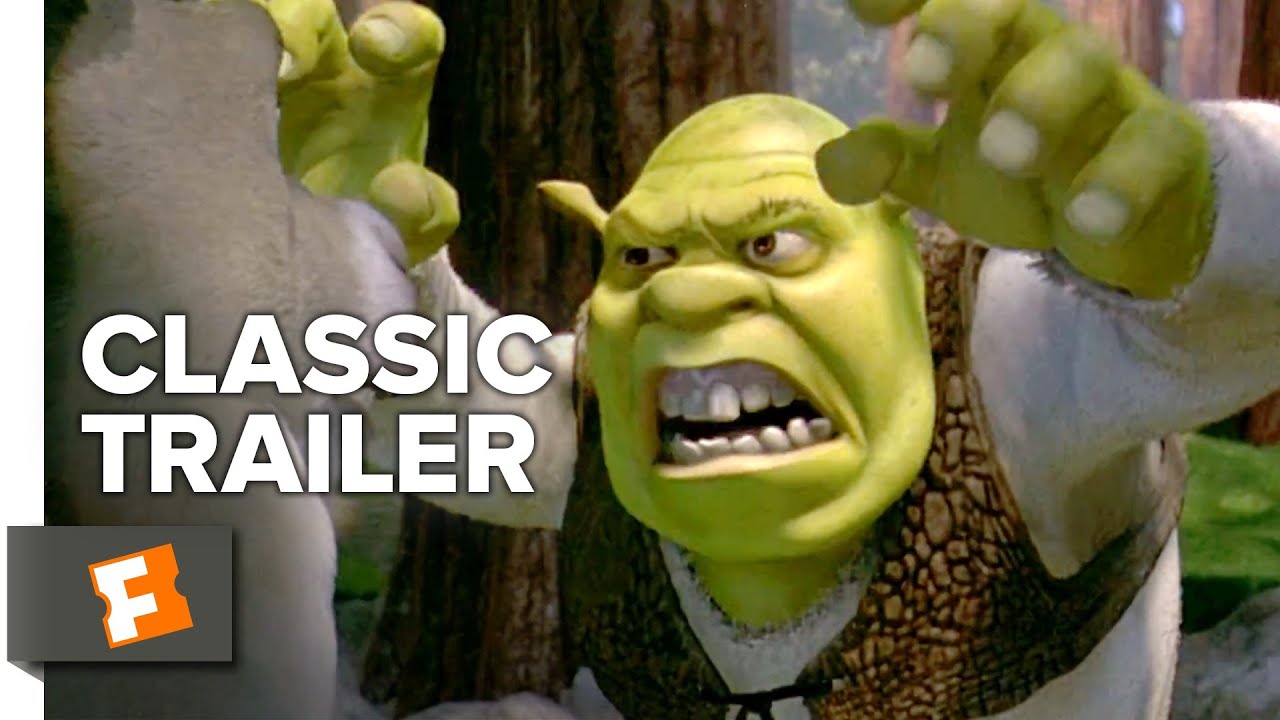
Shrek
The grumpy ogre who just wanted to be left alone, dragged into a quest to rescue a princess and discover his own capacity for love. Shrek arrived in May 2001 as a subversive fairy-tale comedy from DreamWorks, won the first Academy Award for Best Animated Feature, and spawned a franchise that defined early-2000s family cinema.
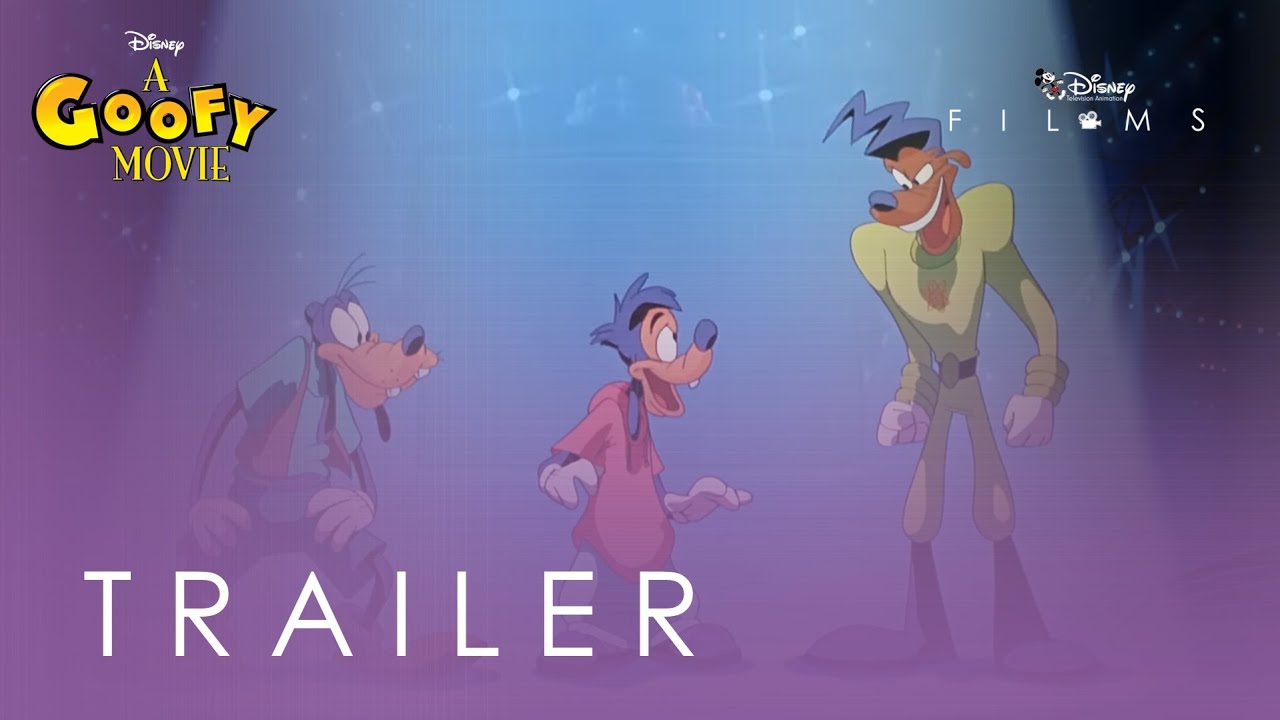
A Goofy Movie
The father-son road trip Disney barely believed in — a fishing trip to Lake Destiny that was really about a teenage kid terrified of turning into his dad. Max lip-synced Powerline, pined for Roxanne, and inherited the laugh anyway. A modest theatrical performer in 1995, A Goofy Movie built its legend on home video and became a generation's comfort watch.

Aladdin
Disney's Aladdin cracked the code on rescuing the studio's animated empire: a magic carpet ride of a film with a Genie voiced by Robin Williams improvising his way through a hundred impressions in a single scene. It became the highest-grossing animated film ever made.