As Told by Ginger
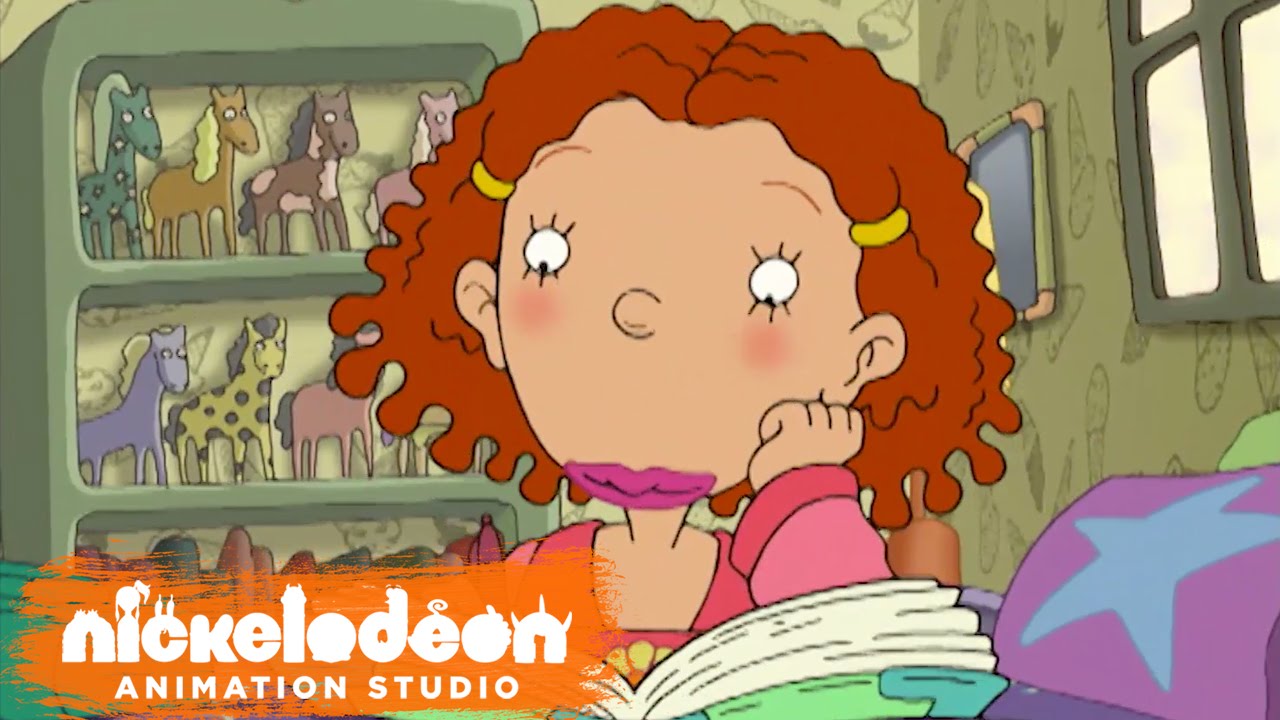
The Nicktoon that took middle school seriously — Ginger Foutley navigating the popularity food chain while her characters did something almost no cartoon characters did: aged, grew, and actually changed their clothes.
As Told by Ginger was created by Emily Kapnek and produced by Klasky Csupo — the studio behind Rugrats — premiering on Nickelodeon on October 25, 2000. It followed Ginger Foutley, a middle schooler (and eventually high schooler) in the fictional suburb of Sheltered Shrubs, Connecticut, a town Kapnek modeled on Larchmont, New York, where she had moved as a junior-high kid. Ginger and her friends Dodie, Macie, and Darren sat near the bottom of the school's social ladder, but the show's engine was her unlikely friendship with rich, popular Courtney Gripling, who found Ginger's ordinary-kid perspective fascinating — much to the fury of Courtney's scheming second-in-command, Miranda.
What made it quietly radical was realism. Standard animation practice — including at Klasky Csupo on Rugrats and Rocket Power — kept characters in one default outfit forever to save time and money. Ginger's characters rotated wardrobes constantly, aged over the course of the series, and carried lasting changes forward, closer to a live-action teen drama than a Saturday-morning cartoon. The stories went to real places, too: an episode about a poem that has the school convinced Ginger is depressed, a caffeine-dependence episode, breakups, surgery, even a teacher's death. It earned three Primetime Emmy nominations for Outstanding Animated Program, and its Macy Gray theme song — a cover of "I'm in Between," originally recorded by Ginger's voice actress Melissa Disney — set the tone perfectly.
The ending was messier than the show deserved. Popularity dipped after the second season amid constant scheduling changes, and Nickelodeon shelved much of the third; leftover episodes trickled onto the Nicktoons channel starting in 2004, and the series finale — the flash-forward TV movie The Wedding Frame, which reveals grown-up Ginger as a published author — went direct to DVD in 2004. The last two episodes didn't reach American TV screens until streaming picked them up in 2021, by which point the show's original tween audience was old enough to recognize it for what it was: one of the most honest shows about girlhood Nickelodeon ever aired.
Similar items
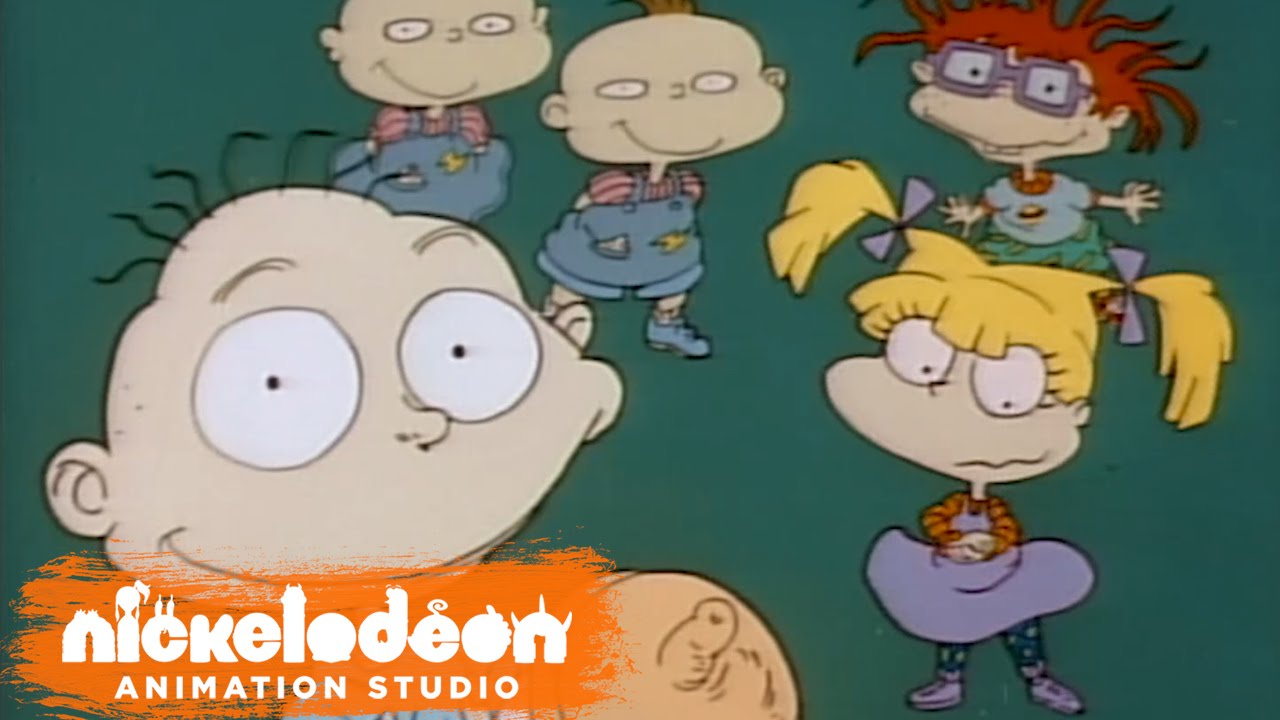
Rugrats
Nickelodeon's 1991 animated series gave the world the Pickles household — a group of talking babies narrating their daily adventures and misadventures with brilliant, absurdist humor. Rugrats proved that cartoons for kids didn't need to be dumbed down; the show's clever writing and wild imagination made it appointment TV for 90s kids and their parents.

Rocket Power
Four friends in a Southern California beach town who lived for surfing, skateboarding, and street hockey. Rocket Power bottled the turn-of-the-millennium extreme-sports craze — all attitude, boardshorts, and "friends before competition."

Hey Arnold!
Football-headed Arnold navigating urban life with his boarding house family. Nickelodeon's unusually melancholy animated series about childhood loneliness, gentrification, and the quiet moments between the gags.
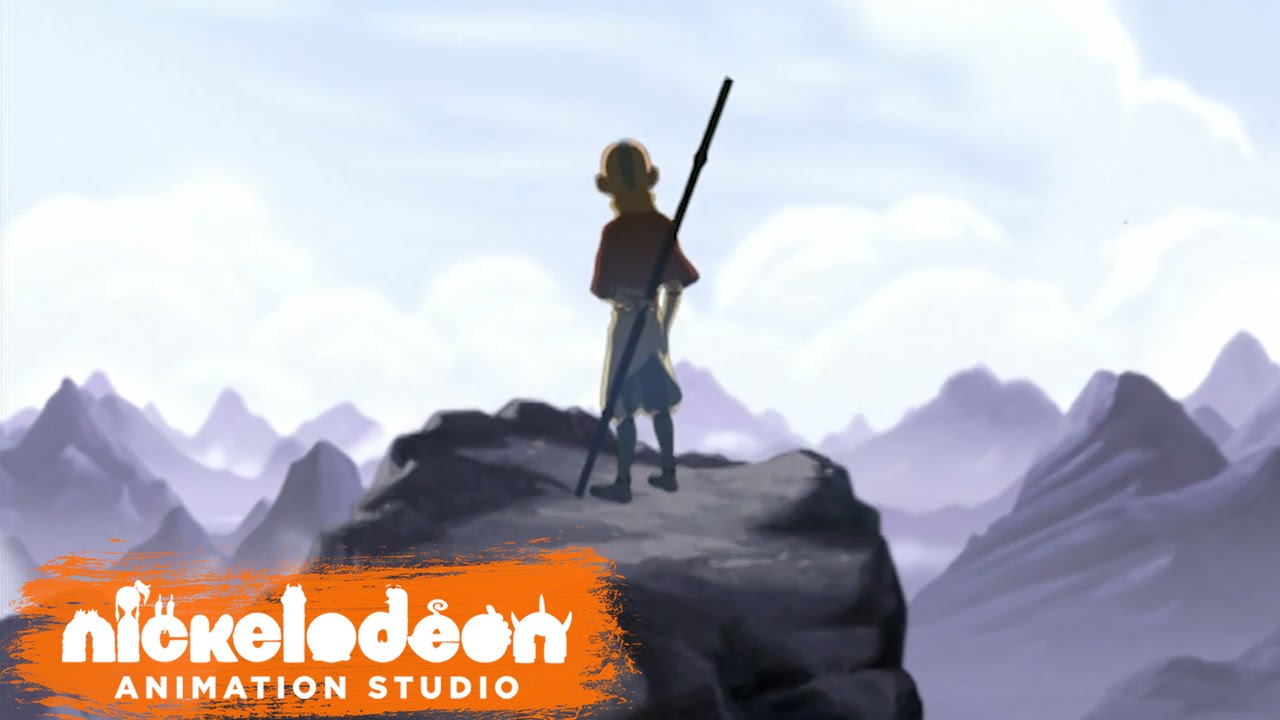
Avatar: The Last Airbender
Nickelodeon's animated epic about the last Airbender and a world where people bend the four elements. The show's serialized storytelling, humor, and character arcs (especially Zuko's redemption) proved surprisingly mature and acclaimed for kids' television. It ran three seasons from 2005 to 2008 and spawned an enduring fandom.