30 Rock

Tina Fey turned her years running the Saturday Night Live writers' room into a live-action cartoon about a sketch show nobody at the network cared about. Liz Lemon, Jack Donaghy, Tracy Jordan and Kenneth the page won three straight Outstanding Comedy Series Emmys while the ratings never caught up — and NBC kept it on anyway.
Tina Fey pitched the show to NBC in 2002, while she was still head writer and a performer on Saturday Night Live, and her first version was a sitcom about cable news. NBC Entertainment president Kevin Reilly thought the news setting was a fig leaf for her own experience and encouraged her to write what she knew; she came around once she imagined casting Tracy Morgan as the star of a fictional show. The pilot was shot under the title Untitled Tina Fey Project before NBC gave it a 13-episode order on May 15, 2006. The name refers to 30 Rockefeller Plaza, the building that houses NBC Studios and SNL.
The premise put Liz Lemon in charge of TGS with Tracy Jordan, a sketch show made in the fictional Studio 6H, with her best friend Jenna Maroney as its star, Kenneth Parcell as its page, and Alec Baldwin's Jack Donaghy as the network executive who forces her to hire the unpredictable Tracy in the first episode. Fey wrote Jack and Kenneth with Baldwin and Jack McBrayer in mind. The show premiered on October 11, 2006, the same season Aaron Sorkin's Studio 60 on the Sunset Strip arrived with the same behind-the-scenes-at-an-SNL premise, and the two were widely expected to cancel each other out. Sorkin sent Fey flowers when NBC picked up both; Studio 60 lasted one season.
What the show became was, in its own description, a live-action cartoon: single-camera, shot at Silvercup Studios in Queens, built on relentless cutaways and sight gags, with the network's corporate parents General Electric and later Comcast (as the Philadelphia-based Kabletown) as its running target. The ratings were never good — the pilot drew 8.13 million viewers, and the series high of 8.5 million came with the third-season premiere, right after Fey's Sarah Palin impressions on SNL — but the awards were relentless. It won the Outstanding Comedy Series Emmy in 2007, 2008 and 2009, swept series, lead actor and lead actress in 2008, and finished its run with 103 nominations and 16 wins. The Peabody board called it "a sly, gleeful satire of corporate media, especially the network that airs it."
Baldwin publicly offered to take a 20 percent pay cut for two more full seasons, but the show closed with an abbreviated 13-episode seventh season that began on October 4, 2012, and ended on January 31, 2013, with a finale several publications later ranked among the best in television history. In 2013 the Writers Guild of America West placed it 21st on its list of the best-written TV series ever. In June 2020, at the request of Fey and Robert Carlock, NBC pulled four episodes featuring actors in blackface from circulation.
Similar items
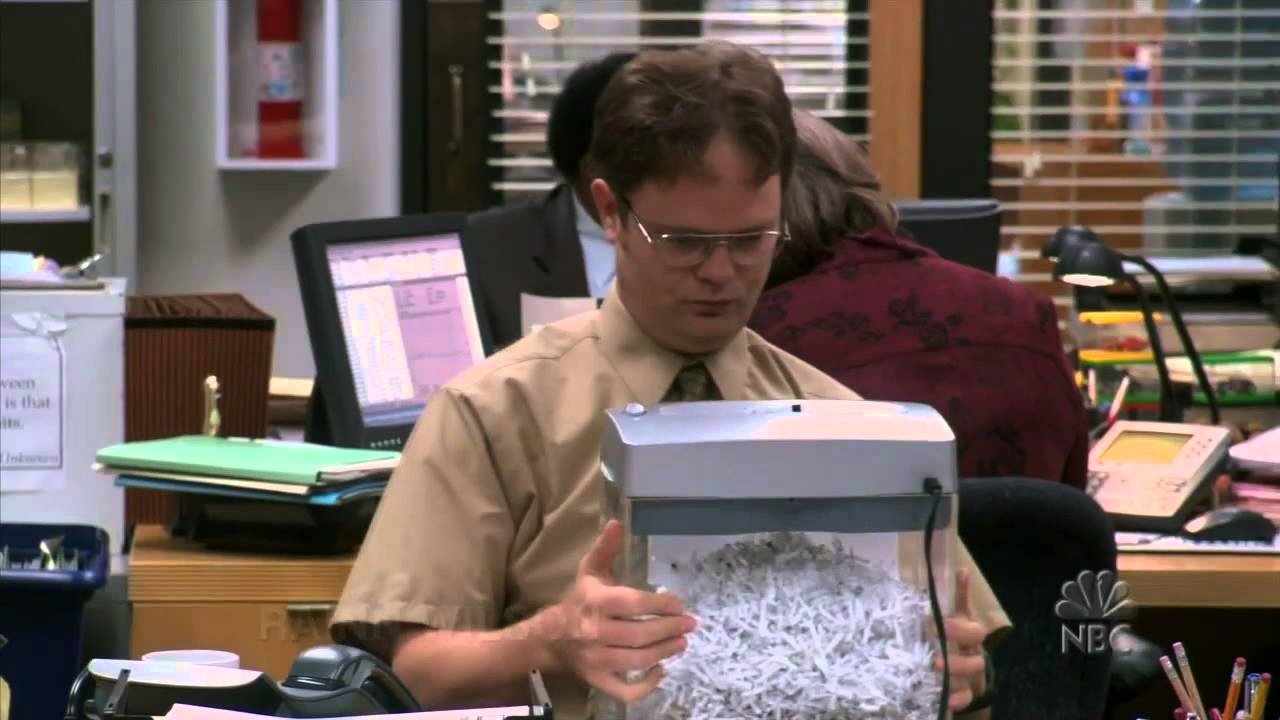
The Office (US)
NBC's mockumentary sitcom that redefined the office comedy for a generation. Premiering March 24, 2005, The Office followed the bumbling, endearing Michael Scott (Steve Carell) and the Dunder Mifflin paper company through deadpan interviews and cringey humor that somehow made you love him anyway.
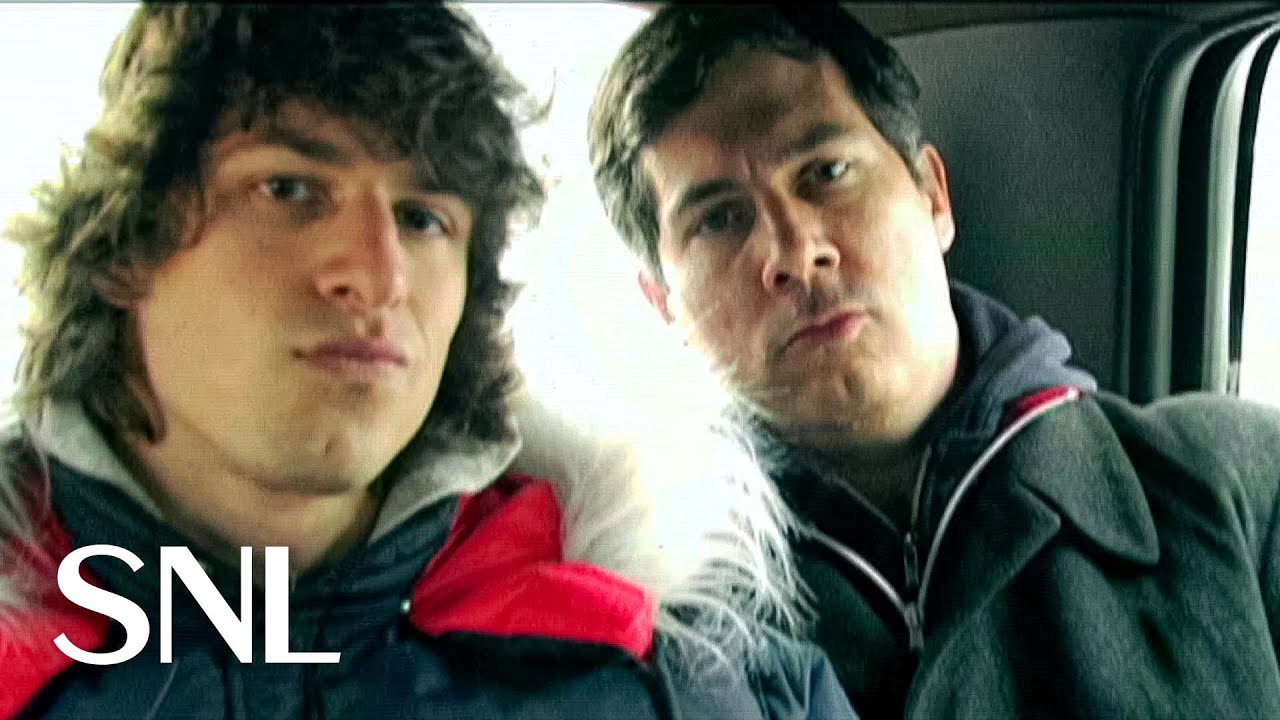
SNL Digital Shorts
"An SNL Digital Short" was the title card that meant Monday's homeroom had material. When "Lazy Sunday" leaked onto a fledgling startup called YouTube in bootleg uploads, it did as much for YouTube as it did for Andy Samberg — and "Dick in a Box" won an actual Emmy.

Arrested Development
A razor-sharp comedy about a wealthy, deeply dysfunctional real-estate family, canceled after just three seasons on Fox but too clever to fade. Low ratings, massive critical acclaim, and jokes that rewarded rewatching — there was always money in the banana stand. When Netflix revived it, the show's legacy finally caught up to its ambition.

Mean Girls
The teen comedy that defined 2000s school social hierarchies — cliques, calculation, and the crushing realization that you might be the problem. Mean Girls premiered in April 2004, written by SNL's Tina Fey, and immediately became the movie every middle and high school student quoted obsessively for the next decade.